

Handicrafts and Souvenirs from Bwindi’s Local Communities: A Cultural Journey
2025-11-14
Hidden Waterfalls and Nature Trails in Bwindi Forest:
2025-11-17- Affordable gorilla safaris Uganda
- Best time for gorilla trekking Bwindi
- Bwindi accommodation options
- Bwindi gorilla families information
- Bwindi gorilla safari guide
- Bwindi Impenetrable National Park Safaris
- Bwindi safari itinerary planning
- East Africa gorilla tour operator
- First-time gorilla trekking tips
- Gorilla permit booking Uganda
- Gorilla trekking packing list
- Gorilla trekking safety tips
- How to plan a gorilla safari Uganda
- Luxury gorilla trekking Bwindi
- Mandrill African Safaris Uganda
- Travel tips for Bwindi forest
- Uganda gorilla trekking planning
- Uganda Primate Safaris
- Uganda Wildlife and Gorilla Safaris
- What to expect on a gorilla trek
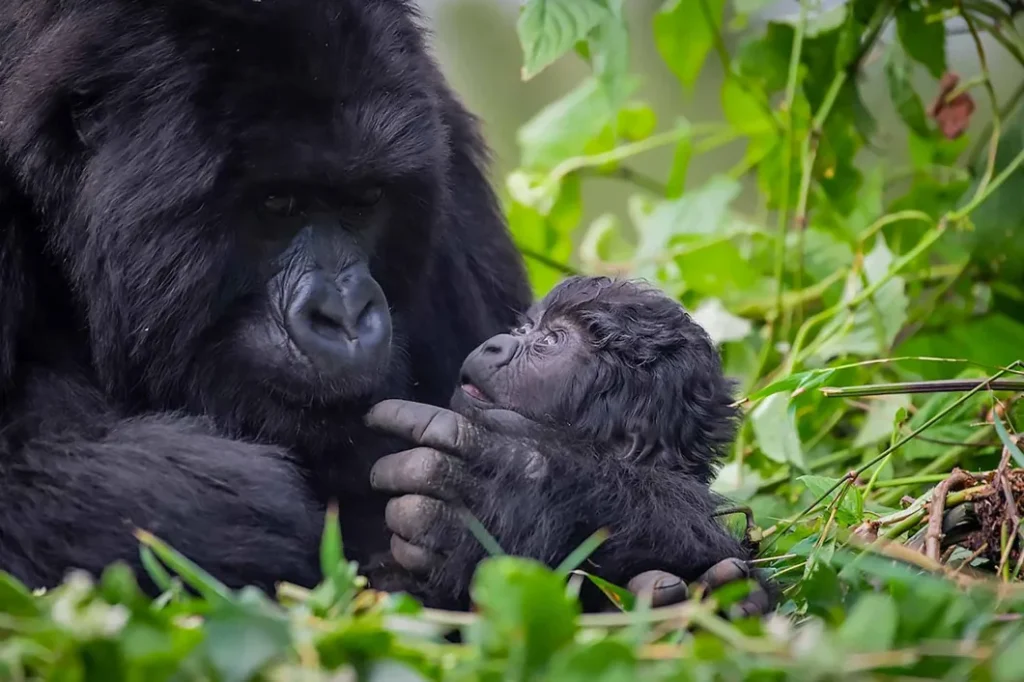
How to Plan Your First Gorilla Safari to Bwindi — Step by Step
Planning your first gorilla safari to Bwindi? This step-by-step guide walks you through permits, best time to go, choosing a sector and lodge, what to pack, fitness tips, and a sample itinerary — all optimized for travelers booking with Mandrill African Safaris.
Seeing mountain gorillas in Bwindi Impenetrable National Park is one of those life-changing travel experiences — but it takes a little planning to make it smooth, safe, and unforgettable. This guide breaks the planning process into clear, actionable steps, packed with gorilla-trekking tips, high-ranking search keywords (Bwindi gorilla trekking, gorilla safari Uganda, gorilla permits Bwindi), and specific recommendations you can use right away.
Quick facts you should know before you start planning
-
Uganda is one of only three countries where you can see mountain gorillas in the wild.
-
Gorilla permits are limited and in high demand; fees and allocations are managed through Uganda Wildlife Authority and authorized operators. Recent reporting shows gorilla permits are a major source of conservation revenue (commonly referenced at about $800 for non-residents, though prices can change).
-
Best months for easier trekking and drier trails are generally June–August and December–February, though trekking is possible year-round.
Step 1 — Choose when to go (best time to visit Bwindi)
Timing affects trail conditions, availability, and lodge rates.
-
Dry season (June–August, Dec–Feb): Trails are drier and less slippery; better photography conditions and higher chances of comfortable trekking. Expect peak season crowds and earlier booking requirements.
-
Green/wet seasons (Mar–May, Sep–Nov): Lush scenery, fewer tourists, sometimes lower rates. Expect muddy trails and potentially harder hikes. Many travelers prefer the shoulder months if you want fewer people.
Tip: If this is your first gorilla safari, aim for the dry months and book at least 3–6 months ahead for permits and preferred lodges.
Step 2 — Lock the most important item first: your gorilla permit
A gorilla permit is the single most time-sensitive element of your trip.
-
Why it matters: Permits are strictly limited per day and sector to reduce disturbance to gorilla groups. Different sectors (Buhoma, Ruhija, Rushaga, Nkuringo) have different permit allocations. Rushaga often has the most daily permits; Buhoma has fewer (e.g., 24 per day).
-
How to book: Permits are obtained through Uganda Wildlife Authority or via an authorized tour operator (we at Mandrill African Safaris handle permit booking for clients and confirm availability). Always ask your operator to check and reserve permits on your preferred dates.
-
Cost: Permit fees can change. Recent reporting and official guides note higher conservation-backed fees for gorilla permits; check current prices with UWA or your operator before paying.
Action: Contact Mandrill African Safaris to check permit availability for your target dates and secure permits immediately — they sell out fast during peak months.
Step 3 — Pick the Bwindi sector that matches your travel style
Bwindi is divided into sectors; each offers a different experience.
-
Buhoma (northwest): Historical, easier access from Kampala and Entebbe, fewer permits per day — good for first-timers who prefer gentler trails.
-
Rushaga & Nkuringo (south): More permits, varied accommodation, and a chance for longer/steeper hikes; good if you want a remote feel and flexible dates.
-
Ruhija (east): Higher altitude, cooler temps, spectacular views, and a quieter vibe.
Choose based on: permit availability, your fitness, how remote you want to be, and whether you’ll combine the trek with other parks (e.g., Queen Elizabeth).
Step 4 — Decide how long your trip will be (sample itineraries)
Most visitors combine gorilla trekking with wildlife in Queen Elizabeth or cultural visits. Here are realistic options:
-
3 days / short trip: Fly into Entebbe → drive/short flight to Bwindi → gorilla trek (tight but possible if permits are nearby). Best for travelers short on time.
-
5 days / popular: Kampala/Entebbe → transfer to Bwindi → day 2 gorilla trek → day 3 relax or community visit → day 4 transfer to Queen Elizabeth or return. (Recommended for first-timers.)
-
7+ days / multi-park: Combines Bwindi gorilla trekking with safaris in Queen Elizabeth, Kibale (chimpanzees), Lake Bunyonyi, or cross-border options with Rwanda.
Sample 5-day itinerary (ideal for first timers):
Day 1: Arrival in Entebbe/Kampala, overnight.
Day 2: Transfer or scheduled domestic flight to Bwindi, check into lodge.
Day 3: Gorilla briefing + full-day gorilla trek (1 hour with gorillas). Evening: cultural Batwa community visit.
Day 4: Relax, nature walk, or transfer to Queen Elizabeth.
Day 5: Game drive/boat cruise or transfer to Entebbe and depart.
Step 5 — Choose the right lodge (where to stay matters)
Accommodation ranges from budget bandas to luxury eco-lodges. Consider:
-
Proximity to sector headquarters: Shorter transfers mean earlier starts and less road time.
-
Sustainability and community benefits: Look for lodges that support local communities and conservation.
-
Style & budget: Luxury lodges offer guided walks, spa, and gourmet meals; mid-range guesthouses provide solid comfort and local flavor.
Mandrill African Safaris can match you to lodges in Buhoma, Ruhija, Rushaga, or Nkuringo depending on availability and your budget.
Step 6 — Plan the logistics: flights, transfers, & health
-
Getting there: Many travelers fly domestically to Kihihi or Kisoro (small charter or scheduled flights) or drive from Kampala (8–10+ hours). Flights save time but must be scheduled early.
-
Health & vaccinations: Yellow fever vaccination is recommended/required for entry; malaria prophylaxis, routine vaccines, and travel insurance are essential. Consult your travel clinic.
-
Visa: Check Uganda visa requirements for your nationality and apply in advance if needed.
Important: Bring original travel documents and a printed copy of your gorilla permit. Your tour operator should handle local park paperwork on trek day.
Step 7 — Get physically ready (fitness & what to expect)
Gorilla treks vary from 30 minutes to several hours over uneven, muddy terrain and steep slopes.
-
Training: 4–6 weeks of cardio, hill walking, and leg strength exercises helps.
-
Trekking difficulty: Expect descending/ascending, thick vegetation, and stinging nettles. Porters are available locally for a small fee to carry bags or help on steep sections.
-
Age & rules: Children under 15 are generally not permitted to trek; there may be exceptions—verify with UWA and your operator.
Step 8 — Pack smart: essential what to pack for gorilla trekking
-
Waterproof hiking boots (broken in)
-
Lightweight, long-sleeved layers and quick-dry trousers (protection from insects & nettles)
-
Waterproof jacket and gaiters for muddy trails
-
Gloves (for scrambling and hand protection)
-
Insect repellent and altitude-appropriate layers (mornings can be cool)
-
Camera with a zoom lens (maintain distance), spare batteries, and a dry bag
-
Small daypack, water, snacks, and any required medication
Etiquette tip: Keep 7 meters distance from gorillas when requested, follow your ranger/guide, and don’t flash bright lights or make loud noises.
Step 9 — Safety, ethics & conservation
-
The gorilla encounter lasts one hour and is strictly managed to minimize disturbance. Follow guide instructions closely.
-
Tourism revenue supports conservation and local communities; your respectful behavior contributes to long-term protection of the species. Recent coverage highlights how permit revenue aids conservation and community development.
Step 10 — Book with an experienced operator (why Mandrill African Safaris helps)
Why travel with a trusted operator:
-
We check permit availability, reserve permits, arrange transport, and coordinate lodge bookings. Local expertise reduces surprises: acclimatization, porter hire, and a smoother briefing/trek day.
-
Responsible operators prioritize park rules, local staff, and community benefits.
Book early — particularly for dry season dates and for groups. Mandrill African Safaris offers customizable itineraries, expertise in Bwindi sectors, and full-service planning from arrival to departure.
Frequently asked questions
Q: How long do I stay with the gorillas?
A: One hour of viewing is allowed once you find the family (this is included in the permit conditions).
Q: Can I take photos?
A: Yes — but no flash, and follow ranger guidance on distance.
Q: What if I’m not fit enough?
A: Some families are more accessible than others; ask your operator to match you to a suitable trek. Porters are available for hire.
Q: Are children allowed?
A: Generally, children under 15 are not permitted; check current UWA rules.
Final checklist before you leave
-
Gorilla permit confirmed and printed (or digital copy) — booked via your operator.
-
Appropriate travel insurance that covers trekking and medical evacuation.
-
Vaccination certificate (yellow fever) and malaria meds.
-
Fitness prep done and hiking gear ready.
-
Emergency contacts and copies of passport/itinerary.
Ready to plan? Here’s how Mandrill African Safaris can help
We specialize in tailor-made Uganda gorilla safaris — from securing permits and choosing the best Bwindi sector for you to booking eco-lodges and arranging guided transfers. If you want a stress-free, ethical, and expertly organized gorilla safari, reach out to Mandrill African Safaris to check availability and put together a personalized itinerary.


