

5-Day Uganda Safari Including Bwindi Gorillas and Queen Elizabeth National Park:
2025-11-12Bwindi ranked the third-best adventure destination in the world
2025-11-12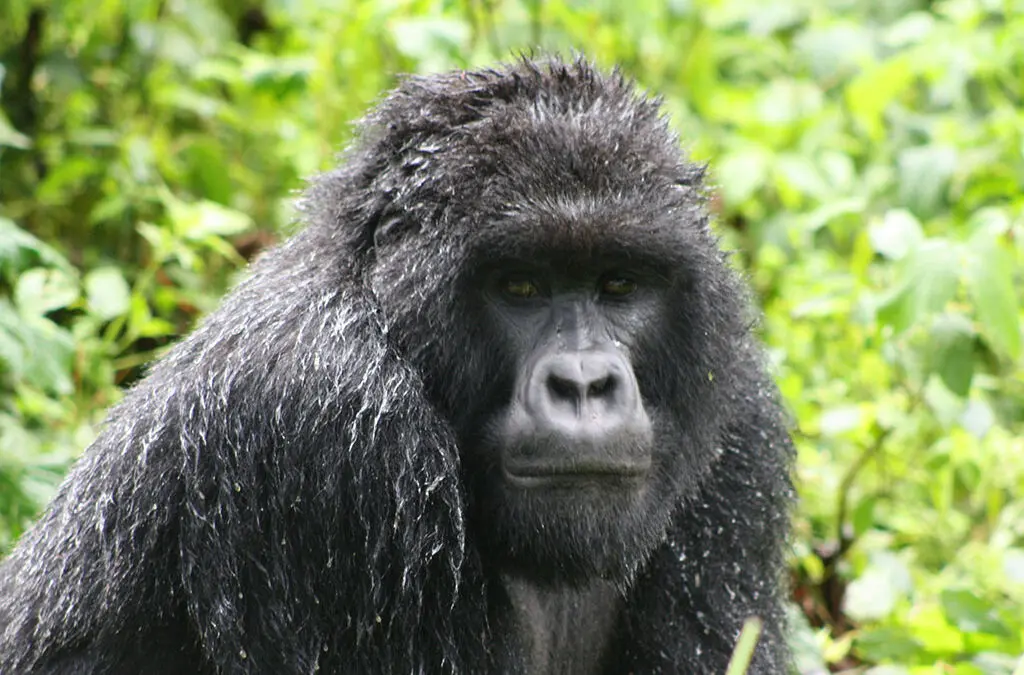
The Role of Bwindi Impenetrable National Park in Gorilla Conservation
Discover how Bwindi Impenetrable National Park in Uganda plays a vital role in mountain gorilla conservation through eco-tourism, research, and community empowerment. Learn how Mandrill African Safaris supports sustainable gorilla trekking adventures.
Introduction: A Sanctuary for Africa’s Gentle Giants
Deep in the misty hills of southwestern Uganda lies Bwindi Impenetrable National Park, one of Africa’s most biologically diverse rainforests and home to more than half of the world’s remaining mountain gorillas. This UNESCO World Heritage Site isn’t just a safari destination — it’s a living example of successful wildlife conservation, where communities, tourism, and nature coexist harmoniously.
For decades, Bwindi has stood at the heart of global efforts to save the critically endangered mountain gorilla. Through responsible tourism, scientific research, and conservation partnerships, the park continues to protect both gorillas and their fragile ecosystem. Mandrill African Safaris proudly promotes sustainable gorilla trekking in Bwindi, ensuring that every visit contributes directly to conservation.
The Global Importance of Bwindi Impenetrable National Park
Bwindi Impenetrable National Park covers about 331 square kilometers of ancient montane and lowland forest, forming a rich ecological haven for over 120 mammal species, 350 bird species, and 200 butterfly species. However, its most famous residents are the mountain gorillas (Gorilla beringei beringei) — gentle, intelligent primates that share 98% of their DNA with humans.
Once on the brink of extinction, mountain gorillas have made a remarkable comeback thanks to conservation initiatives centered in Bwindi. The park has become a global symbol of hope, showing that endangered species can recover when humans protect their natural habitats.
Gorilla Conservation Efforts in Bwindi
1. Habituation and Research Programs
One of the most effective strategies in Bwindi has been gorilla habituation — a gradual process of acclimating gorillas to human presence. Researchers and conservationists spend years gaining the trust of a gorilla family before tourists are allowed to visit them. This method not only supports tourism but also allows for scientific monitoring, helping conservationists understand gorilla behavior, health, and reproduction.
The Gorilla Habituation Experience, offered by Uganda Wildlife Authority and supported by Mandrill African Safaris, allows tourists to spend up to four hours with a semi-habituated gorilla family — an experience that directly funds continued research and conservation work.
2. Anti-Poaching Measures
Bwindi’s conservation success would not be possible without strong anti-poaching efforts. Park rangers and local conservation teams conduct regular patrols to remove snares, arrest poachers, and monitor illegal activities. With the support of international organizations and eco-tourism operators, poaching incidents have significantly decreased, ensuring gorillas live in a safer environment.
3. Veterinary Care and Gorilla Health Monitoring
The Gorilla Doctors, a team of wildlife veterinarians, play a crucial role in Bwindi by providing medical care to sick or injured gorillas. Their ongoing health monitoring has been instrumental in preventing disease outbreaks that could threaten gorilla populations. This collaboration between science and conservation ensures that every gorilla in Bwindi is accounted for and protected.
The Role of Eco-Tourism in Conservation
Gorilla trekking in Bwindi isn’t just a life-changing adventure — it’s the backbone of conservation. Each gorilla permit purchased contributes directly to protecting the park and supporting local communities. A percentage of permit fees goes toward:
-
Park management and habitat protection
-
Community development projects (schools, clinics, water systems)
-
Conservation education and awareness initiatives
By choosing Mandrill African Safaris for your gorilla trekking adventure, travelers become conservation partners. The company emphasizes responsible travel — minimizing environmental impact, respecting local culture, and ensuring that tourism revenues benefit the people who live alongside wildlife.
Community Involvement: Conservation Beyond the Forest
True conservation in Bwindi extends far beyond the park’s borders. The surrounding Bakiga and Batwa communities have become key stakeholders in protecting the gorillas. Once dependent on forest resources for survival, these communities now benefit from sustainable tourism initiatives.
Mandrill African Safaris collaborates with local community groups, promoting cultural visits and supporting eco-lodges that employ residents. The Revenue Sharing Program by the Uganda Wildlife Authority ensures that 20% of park entrance fees are returned to local communities, creating incentives to protect wildlife rather than exploit it.
Through this approach, Bwindi’s conservation model demonstrates that protecting nature and improving livelihoods can go hand in hand.
Challenges Facing Gorilla Conservation in Bwindi
Despite its success, Bwindi still faces several conservation challenges:
-
Human-wildlife conflict: As populations grow, agricultural expansion threatens gorilla habitats, sometimes leading to crop raiding incidents.
-
Disease transmission: Gorillas are highly susceptible to human diseases such as flu or COVID-19, which can spread through close contact.
-
Climate change: Altered weather patterns affect food availability and forest ecosystems.
-
Funding gaps: Continuous conservation requires consistent financial support for rangers, research, and community projects.
Mandrill African Safaris works with conservation partners to promote sustainable travel practices, educating visitors on minimizing disease risks and supporting local initiatives that reduce pressure on natural resources.
Mandrill African Safaris: Promoting Sustainable Gorilla Tourism
As one of Uganda’s trusted eco-tour operators, Mandrill African Safaris is deeply committed to conservation through responsible travel. Every gorilla trekking safari organized by Mandrill contributes to preserving the future of Bwindi and its iconic gorillas.
Travelers can choose from tailor-made itineraries such as:
-
3-Day Bwindi Gorilla Trekking Safari
-
5-Day Uganda Gorilla and Wildlife Safari
-
8-Day Uganda Primate and Cultural Adventure
These experiences are designed not only for exploration but also to educate and inspire visitors about the importance of wildlife conservation in Africa.
Conclusion: A Model for Conservation Success
Bwindi Impenetrable National Park stands as a beacon of hope for global conservation, proving that when nature, science, and local communities unite, endangered species can thrive. Its continued protection ensures that future generations will experience the awe of locking eyes with a wild mountain gorilla — one of the most profound wildlife encounters on Earth.
Through responsible tourism and unwavering conservation efforts, Bwindi has transformed from a threatened forest into a symbol of coexistence and resilience. And with partners like Mandrill African Safaris, the story of gorilla conservation in Bwindi continues to inspire the world.


