

Birdwatching in Nyungwe Forest: Explore Rwanda’s Avian Paradise
2025-10-15
Best Time for East Africa Safari and Gorilla Trekking:
2025-10-15- Affordable Gorilla Safari Packages
- Best Safari in East Africa with Gorillas
- Best Tour Operator for Gorilla Safaris
- Bwindi and Volcanoes National Park Safaris
- Combined Kenya Tanzania Gorilla Safari
- East Africa Adventure Safari with Gorillas
- East Africa Big Five and Gorilla Safari
- East Africa Gorilla Trekking Safari
- East Africa Luxury Gorilla and Wildlife Experience
- East Africa Wildlife and Gorilla Safari
- Gorilla Trekking in Uganda and Rwanda
- Luxury Gorilla Safaris in East Africa
- Mandrill African Safaris Gorilla Tours
- Tailor-Made Gorilla Trekking Tours
- Uganda and Rwanda Gorilla Tours
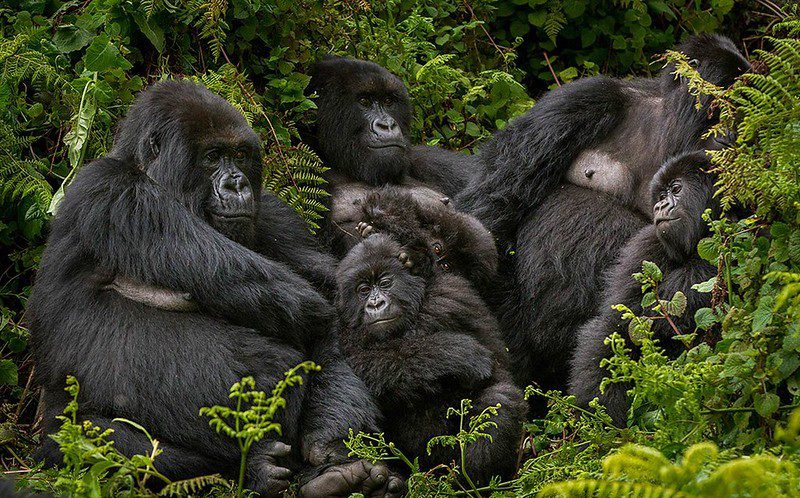
Best Safari in East Africa with Gorillas — Mandrill African Safaris
East Africa is one of the world’s most magical places for wildlife, dense forests, volcanoes, rolling savannahs, and one of nature’s rarest primate encounters: mountain gorillas. If you’re dreaming of seeing gorillas in their natural habitat, Mandrill African Safaris offers some of the best, most responsible, and life-changing gorilla safari tours in the region.
Here’s a full guide to planning a gorilla safari with Mandrill: where to go, what to expect, why Mandrill stands out, when to travel, and how to make sure it’s unforgettable.
Why a Gorilla Safari in East Africa is Unforgettable
-
Rare, endangered species: Mountain gorillas are among the most endangered great apes. Seeing them in the wild is both a privilege and a reminder of how precious wildlife conservation is.
-
Unique habitats: Dense cloud forests, bamboo zones, volcanic slopes — the terrain is challenging but unbelievably beautiful. The mist, moss, and vast greenery heighten the sense of adventure.
-
Cultural & conservation connection: Gorilla trekking is intertwined with local communities and conservation efforts. When done responsibly, your visit helps fund park staff, rangers, community programs, and habitat protection.
Best Places to Track Gorillas in East Africa
Mandrill African Safaris operates in several of the top gorilla trekking regions:
-
Bwindi Impenetrable Forest, Uganda
This is one of the best places in the world to see mountain gorillas. Bwindi is divided into several sectors — Buhoma, Ruhija, Rushaga, Nkuringo — each offering different trekking challenges and experiences. -
Mgahinga Gorilla National Park, Uganda
Smaller, less crowded, more intimate. There’s only one habituated troop regularly tracked here (the Nyakagezi group), which makes the experience quieter and often more personal. -
Volcanoes National Park, Rwanda
Well-known, very accessible, with great infrastructure. Home to multiple habituated gorilla families. If your time is limited but your desire to see gorillas is strong, Rwanda’s Volcanoes offers a more straightforward option.
These places are the “top-tier” gorilla trekking spots in East Africa. Mandrill African Safaris offers trips covering Uganda, Rwanda, or combinations with other game reserves (e.g. combining gorilla trekking and Big Five safaris).
Mandrill African Safaris — What Makes Them Special
When choosing a safari operator, many things matter: local knowledge, ethical practices, safety, comfort, permit management, and the ability to tailor the safari to your preferences. Here is what Mandrill does especially well:
-
Local expertise & sustainability: Mandrill is a Ugandan company with guides and staff deeply familiar with the parks, wildlife behavior, and local culture. They value sustainable tourism: supporting conservation, protecting wildlife, and benefiting local communities.
-
Customized itineraries: Whether you have a few days or a couple of weeks, Mandrill builds itineraries based on your interests — whether that’s staying longer with gorillas, combining with Big Five safaris, or adding cultural visits.
-
Permit handling and transparency: Gorilla permits are limited and in high demand. Good operators will secure your permit well in advance, handle all logistics so you don’t run into last-minute disappointment. Mandrill emphasizes this in its offerings.
-
Flexible pricing and luxury options: From eco-luxury lodges to mid-range and even budget-friendly stays, Mandrill offers a spectrum — so you can choose how much comfort vs. adventure you want.
What to Expect on a Gorilla Safari with Mandrill
Here’s the anatomy of a typical gorilla safari with Mandrill, what you’ll see, what you’ll do, and what you’ll need.
Sample Itinerary
One example is the 5-Days Gorilla and Chimpanzee Trekking in Uganda:
-
You begin in Queen Elizabeth National Park, enjoy game drives, a boat cruise along the Kazinga Channel, then move to Bwindi Impenetrable for gorilla tracking, and engage with local culture (Batwa community).
-
A longer option is combining gorilla trekking with Great Migration in Serengeti (Tanzania) or Maasai Mara (Kenya), then flying or driving to Uganda or Rwanda for gorillas. Mandrill offers such combined itineraries.
Physical Demands & Duration
-
Gorilla treks can be physically intense. Depending on the sector, altitude, and gorilla location, the trek can take 2 to 6 hours (sometimes more) through steep, slippery, muddy forest terrain.
-
Once you locate the gorilla family, visitors typically get one hour to observe, photograph (without flash), and immerse themselves in the experience.
Permits & Cost
-
Gorilla trekking permits in Uganda cost around US$700 (for non-citizens); in Rwanda they are higher (≈ US$1500) depending on policies. These fees help with conservation and park management.
-
Also budget for transport (sometimes rugged roads), accommodation, guide fees, food, tipping, and possible extra days if you want a more relaxed pace.
When to Go
-
Best time to trek gorillas is during the dry seasons: roughly June–September and December–February. These months offer less rain, better trail conditions, clearer skies.
-
The wet season (March–May, October–November) has more rain; trails are muddy, some lodges may have less availability, but you’ll also have fewer crowds and lush landscapes.
Top Gorilla Trekking Locations Explained
To help you choose where exactly to go, here’s a closer look at the primary gorilla trekking sites Mandrill operates in:
| Location | Highlights | Challenges | Best For |
|---|---|---|---|
| Bwindi Impenetrable Forest, Uganda (Buhoma, Ruhija, Rushaga, Nkuringo gates) | Largest population of mountain gorillas, many habituated families; scenic, immersive rainforest; diverse lodging options. | Some treks are steep and require good conditioning; rainy seasons can make trails slippery. Logistics can be tricky in remote sectors. | Adventure seekers; people who want a deeper, more varied experience; those willing to balance effort and reward. |
| Mgahinga Gorilla National Park, Uganda | Intimate setting; fewer people; forest less dense in parts; opportunity to combine with golden monkey tracking. | Only a single habituated gorilla group; crossings sometimes dependent on gorilla movements; limited facilities in some zones. | Those wanting solitude, fewer crowds, a more personal experience. |
| Volcanoes National Park, Rwanda | Good accessibility; high standards of infrastructure; multiple habituated gorilla families; also opportunities for Golden Monkey tracking. | More expensive permits and lodging; more tourist traffic; altitude and trek steepness can still be demanding. | Travelers who value comfort, logistics, and safety; those with shorter itineraries or combining Rwanda with other attractions. |
Tips to Make Your Gorilla Safari Better
-
Book Early
Permits are limited and many sectors fill up fast, especially in peak seasons. Mandrill emphasizes this for obtaining gorilla permits. -
Physical Preparation
Train for hikes: endurance, hiking up and down slopes. Walking sticks help. Good hiking boots and rain gear are vital. -
Packing List Essentials
-
Comfortable, breathable, moisture-wicking clothes (long sleeves & pants)
-
Rain jacket or poncho
-
Gloves, hat
-
Sturdy waterproof hiking boots
-
Binoculars, camera (no flash), plenty of batteries
-
Insect repellent, sunscreen
-
Permit and identification
-
-
Respect Guidelines
Follow the rangers’ instructions: keep distance, don’t use flash, avoid loud noises. Limit on group size per gorilla family (often 8 persons). Typically one hour observing time. -
Health & Safety
Some vaccinations (e.g. Yellow Fever) may be required; malaria prophylaxis is often advisable; carry a basic first-aid kit; ensure good travel insurance. -
Consider Weather & Crowds
Dry season gives easier trekking, better views. Green season gives lush scenery, fewer tourists, possibly lower prices.
Why Mandrill’s Gorilla Safaris Can Be the Best Choice for You
Putting together all above, here’s how Mandrill African Safaris distinguishes itself and why many travelers choose them:
-
Authenticity & Local Roots: Being locally owned, with guides born and raised in the region, Mandrill offers insight, authenticity, and interaction with local culture that you won’t get from an international operator.
-
Ethical, Sustainable Tourism: Conservation, minimizing environmental impact, benefiting communities (e.g. Batwa in Uganda) are part of the package.
-
Flexibility: Mandrill can tailor the trip — whether you want luxury, mid-range or more rugged immersion; whether you have 5 days or 14; whether you want gorilla + Big Five safaris or focus only on gorillas.
-
Logistics Expertise: Ranger fees, permits, entry fees, internal transport, accommodations, safety — Mandrill knows how to handle all that so you can focus on the experience.
Final Thoughts
If your safari dreams involve witnessing mountain gorillas in the wild — seeing the playfulness of young gorillas, the solemn stare of a silverback, and the mist hanging in forested peaks — then East Africa is without doubt one of the best places in the world.
By choosing Mandrill African Safaris, you get more than just a trip; you get a well-planned, responsible, and deeply meaningful journey. Bwindi, Mgahinga, and Volcanoes are landscapes of beauty and challenge. The trekking can push your body, but the moment you meet the gorillas — it’s impossible to forget.
Start planning early. Choose your season. Pack wisely. Respect the forest and its residents. And when you return home, the memories of the gorilla trek — with Mandrill or any great operator — will linger for a lifetime.


