

Mandrill Safaris in Gabon
2025-09-15
Travel Tips for Visiting Gabon: Visas, Flights & Accommodation
2025-09-16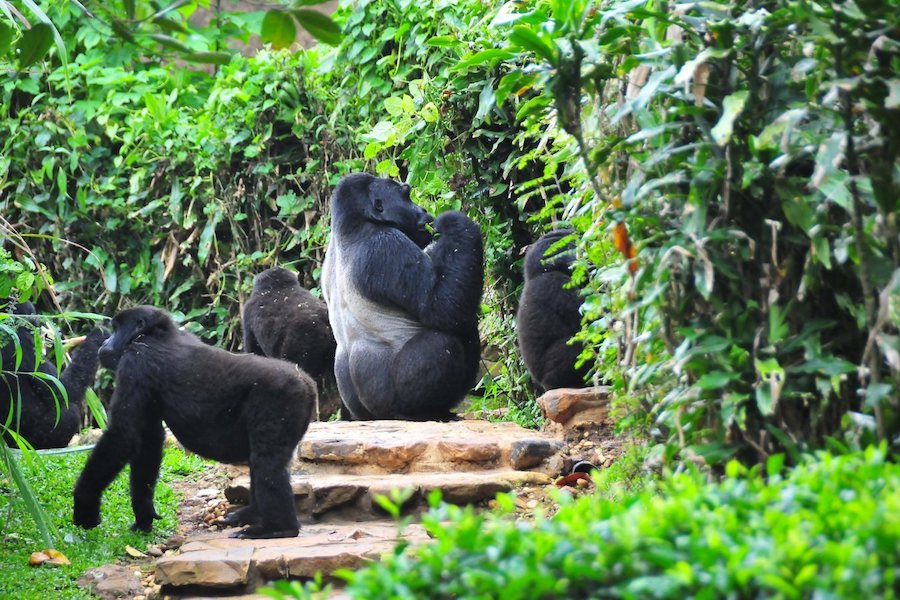
Lowland Gorillas in Gabon – A Rare Safari Encounter
When it comes to unforgettable primate safaris, gorillas are often at the top of every traveler’s bucket list. While mountain gorillas in Uganda and Rwanda attract thousands of visitors each year, few people know that Gabon is one of the best destinations to see Western lowland gorillas in their natural rainforest habitat.
With vast rainforests covering nearly 80% of the country and 13 national parks dedicated to conservation, Gabon offers a rare and authentic gorilla trekking experience far away from the crowds of East Africa.
What Are Lowland Gorillas?
The Western lowland gorilla (Gorilla gorilla gorilla) is the smallest of the four gorilla subspecies but still an impressive creature.
-
Size: Adult males (silverbacks) can weigh up to 180 kg (400 lbs).
-
Appearance: They have shorter hair and a brownish-grey coat compared to mountain gorillas.
-
Habitat: Dense tropical rainforests, swampy areas, and lowland forests.
-
Behavior: They live in family groups led by a dominant silverback, known for its protective role.
Lowland gorillas are critically endangered due to habitat loss, hunting, and disease. Seeing them in the wild is both a privilege and a contribution to conservation.
Where to See Lowland Gorillas in Gabon
Gabon is one of the few places in Africa where gorillas can be observed in multiple parks. Here are the top destinations:
1. Loango National Park – Gorillas on the Coast
Loango is Gabon’s most famous park, known for elephants on beaches and hippos in the surf. But it’s also an excellent place to spot Western lowland gorillas.
-
Habitat: Loango combines forests, lagoons, savannas, and beaches, offering rich biodiversity.
-
Gorilla Trekking: The gorilla program in Loango focuses on habituating gorilla groups for eco-tourism. With skilled guides, visitors can trek into the forest to observe them.
-
Other Wildlife: Loango offers a rare combination—gorillas, whales, elephants, and turtles—all in one destination.
2. Ivindo National Park – Gorillas and Waterfalls
Deep in northeastern Gabon, Ivindo National Park is a haven for lowland gorillas.
-
Key Attraction: Kongou Falls, one of Africa’s most powerful waterfalls.
-
Gorilla Trekking: Guided treks give travelers the chance to spot gorillas in dense rainforests.
-
Other Primates: Chimpanzees, colobus monkeys, and mangabeys are also common.
For adventurous travelers, Ivindo offers a mix of gorilla safaris, river journeys, and rainforest expeditions.
3. Moukalaba-Doudou National Park – The Gorilla Stronghold
Located in southwestern Gabon, Moukalaba-Doudou National Park is considered one of the country’s most reliable gorilla-viewing destinations.
-
Population: The park has one of the highest densities of Western lowland gorillas in Gabon.
-
Habituation Projects: Ongoing conservation efforts are making gorilla encounters more accessible for eco-tourists.
-
Wild Experience: Trekking here is challenging but rewarding, with fewer visitors and a more intimate safari feel.
Moukalaba-Doudou is perfect for travelers seeking off-the-beaten-path gorilla safaris.
4. Lopé National Park – Gorillas Among Mandrills
While Lopé is best known for its massive mandrill troops, it is also home to gorillas.
-
Mixed Habitat: Lopé’s unique savanna-rainforest ecosystem supports both primates and big game.
-
Research Opportunities: Scientists studying primates here sometimes lead specialized treks.
-
Safari Variety: Travelers can combine gorilla tracking with mandrill safaris, making Lopé a diverse wildlife destination.
The Gorilla Trekking Experience in Gabon
Trekking for lowland gorillas in Gabon is very different from the well-established gorilla safaris in East Africa.
-
Wild and Untamed: Gorilla groups are less habituated, so sightings are often raw and authentic.
-
Trekking Terrain: Dense rainforest means hikes can be challenging but adventurous.
-
Group Size: Treks are usually small, offering intimate experiences.
-
Photography: While less predictable than Rwanda or Uganda, encounters often reward visitors with stunning, natural gorilla behavior.
Unlike in East Africa, where gorillas are more accustomed to humans, Gabon’s gorilla safaris feel more like true wilderness expeditions.
Best Time to See Lowland Gorillas in Gabon
Timing your visit is important for the best gorilla trekking experience:
-
Dry Season (June – September): Trails are easier to navigate, and gorilla movements are more predictable.
-
Secondary Dry Season (December – February): Another good time for trekking and wildlife sightings.
-
Rainy Seasons (March – May, October – November): Gorilla tracking is still possible but more challenging due to heavy rains and slippery terrain.
If gorillas are your main focus, the dry seasons are the best times to visit.
Combining Gorilla Safaris with Other Gabon Experiences
One of Gabon’s biggest advantages is that gorilla safaris can be combined with other unique wildlife experiences:
-
Elephants on Beaches – At Loango National Park.
-
Whale Watching – Along the Atlantic coast from July to October.
-
Mandrill Safaris – In Lopé National Park during June–August.
-
Turtle Nesting – Leatherback and olive ridley turtles nest between October and February.
-
Waterfall Adventures – Kongou Falls in Ivindo is a highlight for eco-travelers.
This makes Gabon a multi-dimensional safari destination, offering more than just gorillas.
Conservation of Lowland Gorillas in Gabon
Western lowland gorillas are critically endangered, and Gabon plays a key role in their protection.
-
National Parks: Nearly 11% of Gabon is protected land.
-
Habituation Programs: Responsible eco-tourism programs are slowly habituating gorilla groups for safe viewing.
-
Community Involvement: Gorilla tourism provides jobs for local communities, reducing reliance on hunting.
-
Research Stations: Partnerships between conservation groups and scientists help monitor gorilla populations.
By joining a gorilla safari in Gabon, travelers support conservation efforts and sustainable eco-tourism.
Travel Tips for Gorilla Trekking in Gabon
-
Fitness: Gorilla trekking requires moderate fitness due to dense forests and humid conditions.
-
Clothing: Wear lightweight, long-sleeved clothes, sturdy boots, and bring rain gear.
-
Guides: Always trek with certified guides or through safari companies.
-
Health: Yellow fever vaccination is required; malaria prevention is strongly advised.
-
Patience: Sightings are not guaranteed, but the thrill of tracking wild gorillas makes the adventure worthwhile.
Conclusion – Why Gabon Is the Hidden Gem for Gorilla Safaris
While Uganda and Rwanda may be famous for mountain gorilla trekking, Gabon offers an authentic and less-commercialized alternative. Tracking Western lowland gorillas in Loango, Ivindo, Moukalaba-Doudou, or Lopé National Park feels like stepping back in time to when safaris were truly wild.
Here, gorilla encounters are raw, the forests are untamed, and the experience is deeply rewarding. Combined with elephants on beaches, mandrills in massive troops, and whale-watching along the coast, Gabon provides a safari unlike anywhere else in Africa.
For travelers seeking an off-the-beaten-path primate adventure, lowland gorillas in Gabon are an unforgettable highlight—and a powerful reason to explore Africa’s last Eden.


