

How long is the Buhoma to Nkuringo walking safari?
2025-09-05
Tanzania Safari Holidays
2025-09-06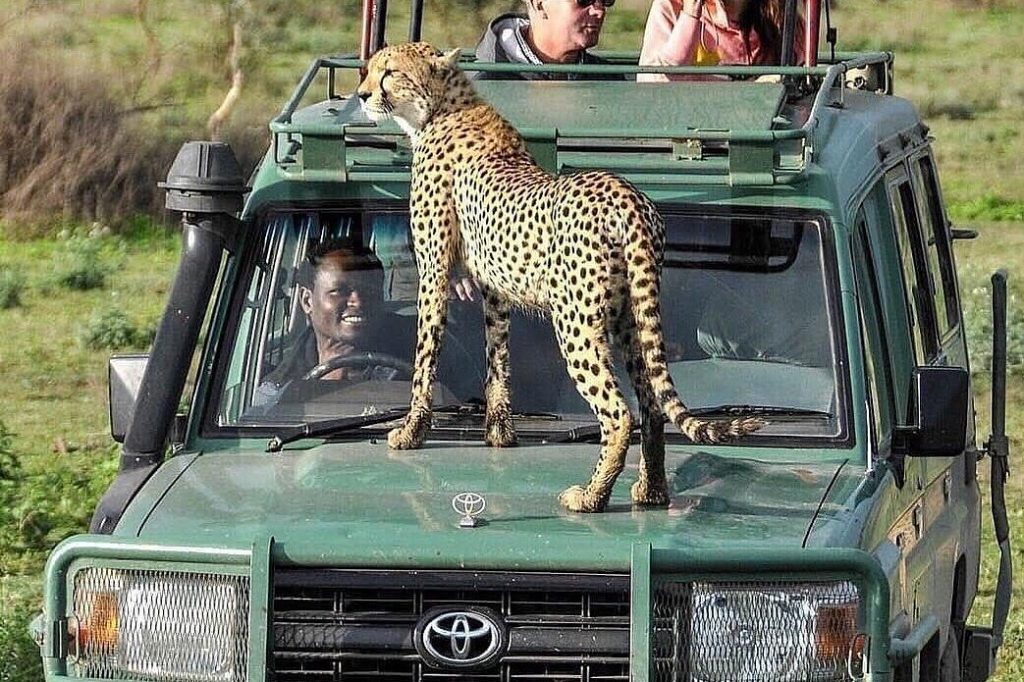
Tanzania is one of the world’s most famous safari destinations, drawing travelers from across the globe to witness its endless plains, abundant wildlife, and breathtaking landscapes. A safari in Tanzania is not just a holiday; it’s an unforgettable journey into the heart of Africa, where nature unfolds in its raw and beautiful form. Whether you dream of seeing the Great Wildebeest Migration in Serengeti, spotting the Big Five in Ngorongoro Crater, or relaxing on the white-sand beaches of Zanzibar after your safari, Tanzania has it all.
In this article, we’ll guide you through everything you need to know about Tanzania safari tours, including the best parks to visit, what wildlife you can expect to see, when to go, and how much a safari in Tanzania costs.
Why Choose a Safari in Tanzania?
Tanzania stands out as one of Africa’s top safari destinations for several reasons:
-
Diverse Wildlife: Home to over 4 million wild animals, including the Big Five (lion, leopard, buffalo, elephant, and rhino).
-
World-Famous Parks: Serengeti, Ngorongoro Crater, Tarangire, and Lake Manyara.
-
The Great Migration: Over 2 million wildebeest, zebras, and gazelles migrate across Serengeti and Mara annually.
-
Cultural Encounters: Meet the Maasai, Hadzabe, and other indigenous communities.
-
Beach & Safari Combination: End your adventure on Zanzibar’s turquoise coastlines.
Simply put, a safari in Tanzania offers the perfect mix of wildlife, culture, and relaxation.
Top Safari Destinations in Tanzania
When planning your trip, you’ll want to focus on the most iconic national parks and reserves. Here are the highlights:
1. Serengeti National Park
Known worldwide for its endless plains and the Great Migration, Serengeti is Tanzania’s crown jewel. From predator-prey action to vast herds of wildebeest, every game drive feels like a scene from a wildlife documentary.
Best for: Witnessing the Great Migration, big cats, and dramatic landscapes.
2. Ngorongoro Crater
A UNESCO World Heritage Site, the Ngorongoro Crater is often called the “Eighth Wonder of the World.” This natural volcanic caldera is home to an incredible concentration of wildlife, including black rhinos, elephants, and large prides of lions.
Best for: Big Five sightings in one day.
3. Tarangire National Park
Tarangire is famous for its large elephant herds and iconic baobab trees. During the dry season, animals congregate around the Tarangire River, creating fantastic opportunities for photography.
Best for: Elephant herds and off-the-beaten-path safaris.
4. Lake Manyara National Park
Nestled between Rift Valley cliffs and a shallow soda lake, Lake Manyara is home to tree-climbing lions, flamingos, and hippos. Though smaller in size, it offers diverse landscapes and birdlife.
Best for: Birdwatching and scenic beauty.
5. Selous Game Reserve (Nyerere National Park)
Less crowded than the northern circuit, Selous offers authentic, wild safari experiences. You can enjoy boat safaris on the Rufiji River, walking safaris, and remote game drives.
Best for: Off-the-beaten-path safaris and fewer crowds.
6. Ruaha National Park
Ruaha is Tanzania’s largest national park, known for its rugged landscapes, predators, and rare wild dogs. It’s ideal for travelers seeking wilderness away from mass tourism.
Best for: Remote, adventurous safaris.
Wildlife You’ll See on a Tanzania Safari
On a Tanzania safari, expect to encounter some of the planet’s most iconic animals:
-
Big Cats: Lions, cheetahs, and leopards thrive in the Serengeti and Ruaha.
-
The Big Five: Lion, leopard, buffalo, elephant, and rhino.
-
The Great Migration: Over 1.5 million wildebeest and 250,000 zebras.
-
Birds: More than 1,100 bird species, including flamingos and fish eagles.
-
Unique Species: Giraffes, hippos, crocodiles, wild dogs, and hyenas.
Every safari drive is unique—no two days are ever the same.
Best Time to Go on Safari in Tanzania
Tanzania offers year-round safaris, but the best time depends on what you want to see:
-
June – October (Dry Season): Best time for wildlife viewing. Animals gather near water sources, and the Great Migration river crossings occur in northern Serengeti.
-
December – March: Calving season in southern Serengeti. Thousands of wildebeest give birth, attracting predators.
-
April – May: Green season with fewer tourists and lush landscapes. Ideal for photographers.
If your dream is to see the Great Migration river crossings, plan between July and September.
Types of Tanzania Safaris
Not all safaris are the same. Here are popular options:
-
Classic Game Drive Safari: Explore in a 4×4 with a professional guide.
-
Luxury Lodge Safari: Stay in exclusive lodges and tented camps.
-
Budget Camping Safari: For adventurous travelers who want to sleep under canvas.
-
Walking Safari: Get closer to nature with guided walks in parks like Selous.
-
Hot Air Balloon Safari: Fly over Serengeti at sunrise (extra cost).
-
Beach & Safari Combo: End your adventure with a Zanzibar beach holiday.
How Much Does a Safari in Tanzania Cost?
Safari costs depend on accommodation, park fees, and travel style. Here’s a rough guide:
-
Budget Camping Safari: $200 – $300 per person, per day.
-
Mid-Range Safari: $350 – $500 per person, per day.
-
Luxury Safari: $600 – $1,500+ per person, per day.
Extras like hot air balloon safaris ($600 per person) or private guides add to the cost.
Travel Tips for a Tanzania Safari
-
Book Early: Especially during the migration season.
-
Pack Smart: Neutral clothes, sunscreen, hat, binoculars, and insect repellent.
-
Health: Carry anti-malarial medication and check vaccination requirements.
-
Guides Matter: A good safari guide can make or break your experience.
-
Respect Nature: Always follow park rules for safety and conservation.
-
Conclusion: A Life-Changing Safari Experience
A safari in Tanzania is more than just a holiday—it’s a chance to connect with nature, witness epic wildlife spectacles, and immerse yourself in Africa’s wild beauty. From the legendary Serengeti to the awe-inspiring Ngorongoro Crater, every day brings a new adventure. Whether you’re traveling on a budget or seeking luxury, Tanzania offers a safari for every kind of traveler.
So, if you’ve ever dreamed of hearing lions roar at night, watching elephants march across the plains, or seeing millions of wildebeest thunder through the savannah, then a Tanzania safari should be at the very top of your travel bucket list.


