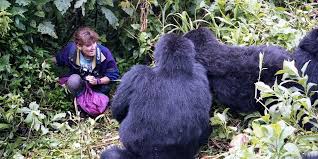
What Rules Must You Follow When Trekking Gorillas in Bwindi?
Introduction: Why Rules Matter in Gorilla Trekking
Gorilla trekking in Bwindi Impenetrable National Park, Uganda, is one of the most magical wildlife experiences in the world. Home to almost half of the world’s remaining mountain gorillas, Bwindi offers visitors a rare chance to walk through dense rainforest and come face-to-face with a family of gentle giants.
But gorillas are critically endangered and extremely sensitive to human presence. To protect them and ensure tourists have safe, memorable encounters, the Uganda Wildlife Authority (UWA) has set strict rules that every trekker must follow.
At Mandrill African Safaris, we always brief our guests on these rules before the trek. In this article, we’ll explain the top gorilla trekking rules in Bwindi and why they matter for conservation, safety, and sustainability.
1. Keep a Safe Distance from Gorillas
One of the golden rules of gorilla trekking is maintaining a 7-meter (21 feet) distance from the gorillas. This rule helps in two main ways:
-
Disease prevention: Gorillas share about 98% of their DNA with humans, making them highly vulnerable to human diseases like flu or coughs. A safe distance reduces the risk of transmission.
-
Respecting space: Gorillas are wild animals. Keeping distance ensures they do not feel threatened or disturbed.
Sometimes gorillas may come closer out of curiosity, but trekkers must avoid approaching or touching them.
2. Trek in Groups with Trained Rangers
Gorilla trekking in Bwindi is always guided by UWA-trained rangers and trackers. These experts not only ensure your safety but also help you navigate the thick forest while tracking the gorilla families.
-
Only 8 visitors are allowed per gorilla family per day, minimizing stress on the animals.
-
Rangers carry protective gear and have deep knowledge of gorilla behavior, ensuring safe encounters.
This rule ensures a sustainable tourism model, balancing conservation and visitor experience.
3. Wear a Face Mask During the Trek
Since 2020, wearing a face mask during gorilla encounters has become mandatory. This is an extra precaution to protect gorillas from airborne diseases, especially after the COVID-19 pandemic highlighted risks of cross-species infections.
Trekkers must also sanitize their hands before approaching the gorilla family.
4. No Eating, Drinking, or Smoking Near Gorillas
Food smells can attract gorillas, and littering poses a serious risk to their health. Therefore:
-
Eating, drinking, or smoking within gorilla proximity is strictly prohibited.
-
Any snacks or water bottles should be consumed away from gorillas and carried back out of the forest.
This rule maintains both cleanliness and safety of gorilla habitats.
5. Do Not Use Flash Photography
Photography is allowed during gorilla trekking, but flash is strictly forbidden. Flash can startle gorillas, making them aggressive or uncomfortable.
To capture great photos without disturbing the gorillas:
-
Use cameras with good low-light capability.
-
Adjust ISO settings to suit the dim rainforest conditions.
-
Respect ranger instructions about where to stand for photos.
6. Keep Noise Levels Low
Bwindi’s rainforest is naturally quiet and serene, and gorillas are accustomed to a calm environment. Loud talking, shouting, or sudden movements can frighten or agitate them.
Trekkers are encouraged to:
7. Follow the “One Hour Rule”
Once you find a gorilla family, you are allowed a maximum of one hour in their presence. This limited time helps to:
-
Prevent excessive stress on gorillas.
-
Allow them to continue their natural daily routines undisturbed.
-
Give other visitors a chance to meet them in a sustainable way.
That one hour often feels short, but it is designed to protect the gorillas’ wellbeing.
8. Stay on Assigned Trails
Bwindi is a UNESCO World Heritage Site with fragile ecosystems. Straying off the designated paths can damage vegetation, disturb other wildlife, or spread invasive plants.
Rangers will guide you along safe trekking routes, which may be steep or muddy, but are carefully chosen to minimize impact on the environment.
9. No Littering in the Forest
Every piece of trash, even biodegradable items like fruit peels, must be carried back out. Littering can pollute the forest, attract pests, and endanger gorillas.
Mandrill African Safaris always encourages travelers to practice “Leave No Trace” tourism.
10. Health and Fitness Requirements
Before gorilla trekking in Bwindi, trekkers must declare any signs of illness. If you have flu, diarrhea, or contagious infections, you may be denied access for the gorillas’ safety.
Additionally:
-
A reasonable level of fitness is required, as treks can last from 2 to 6 hours.
-
Hiking boots, gloves, and rain gear are recommended for the challenging terrain.
Why Following Gorilla Trekking Rules Matters
The rules may seem strict, but they serve three important purposes:
-
Conservation: Protecting gorillas from disease, stress, and habitat damage.
-
Safety: Preventing accidents or aggressive encounters in the forest.
-
Sustainability: Ensuring future generations can also enjoy gorilla trekking in Bwindi.
By respecting these guidelines, every visitor contributes to the survival of one of the world’s most endangered species.
How Mandrill African Safaris Enhances Your Gorilla Trekking Experience
At Mandrill African Safaris, we go beyond just guiding treks. We provide:
-
Pre-trek briefings on rules and gorilla behavior.
-
Assistance in securing gorilla trekking permits from UWA.
-
Tailored itineraries combining gorilla trekking with other Ugandan experiences, like Queen Elizabeth National Park or Lake Bunyonyi tours.
-
Eco-conscious travel that supports local communities and conservation.
Conclusion: Trekking with Respect and Responsibility
Gorilla trekking in Bwindi is more than a wildlife adventure—it’s a conservation journey. The rules you follow are not just regulations; they are acts of respect toward gorillas, their fragile habitat, and the future of sustainable tourism in Uganda.
If you’re planning your gorilla trekking safari, trust Mandrill African Safaris to give you a safe, ethical, and unforgettable experience. Together, we can protect the gorillas of Bwindi while enjoying one of Africa’s greatest natural wonders.