Mountain Gorilla Numbers in Rwanda: Conservation Success & What It Means for Your Safari Adventure
Introduction
Discover how many mountain gorillas remain in Rwanda, why their numbers are growing, and what this means for your unforgettable safari with Mandrill African Safaris. Mountain gorillas are one of the rarest great apes on Earth, but thanks to Rwanda’s unwavering conservation efforts, their population has seen a remarkable rebound. In this blog, we’ll explore the current population status, key contributing factors to their recovery, and how this shapes the gorilla trekking experience you’ll enjoy.
1. Current Population of Mountain Gorillas in Rwanda
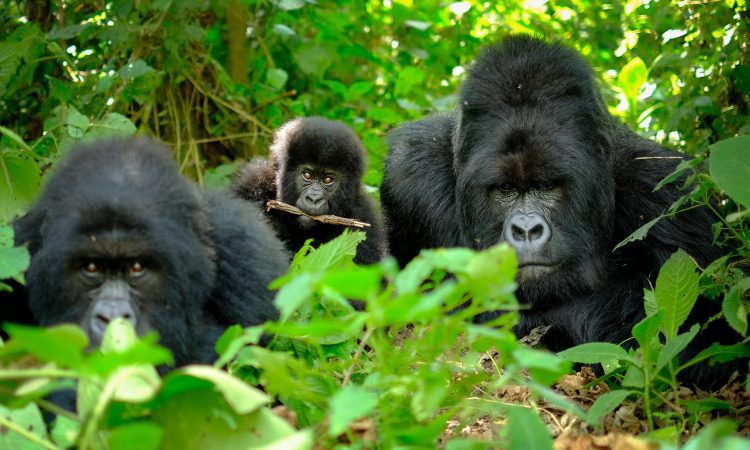
Recent counts indicate there are now over 600 mountain gorillas in Rwanda’s Virunga region, specifically within Volcanoes National Park—up from fewer than 300 in the 1980s.
Region-wide totals for the Virunga Massif (spanning Rwanda, Uganda, and the DRC) rose from 480 in 2010 to 604 in 2016 with ongoing efforts continuing to boost numbers.
A local observer on Reddit summarized well: “The global population of mountain gorillas is about 1,063 individuals. Uganda hosts around half… the rest inhabit the Virunga Mountains shared by Rwanda (~352) and DR Congo (~252)” .
Given these estimates, Rwanda is home to approximately 350–400 mountain gorillas, with Volcanoes National Park hosting about 600–650 individuals across the Virunga region, many of which are in Rwanda.
2. A Conservation Success Story
Rwanda’s success in increasing the mountain gorilla population is widely attributed to visionary conservation measures:
Effective protection of habitats and anti-poaching efforts have reversed previous steep declines.
Community-inclusive programs ensure local people benefit directly from eco-tourism initiatives.
Expansion of protected areas, including a 23% increase in Volcanoes National Park, helps reduce conflict and territorial pressures.
Iconic programs like Kwita Izina, Rwanda’s annual gorilla-naming ceremony, raise awareness and engage national pride in protecting these great apes.
3. What the Numbers Mean for Safari-Goers
For travelers booking with Mandrill African Safaris, here’s what the gorilla population trends mean for your journey:
Higher chances of gorilla encounters—more gorillas mean more chances to meet habituated families like Susa, Amahoro, Kwitonda, and others
Unique tourism programs like the Karisoke Research Center—founded by Dian Fossey—add depth to your experience, blending science, history, and wildlife encounters.
Responsible, sustainable tourism is more important than ever. Trekking with Mandrill African Safaris supports local communities and encourages ongoing conservation.
4. Ongoing Challenges & Why Your Visit Matters
Despite positive trends, mountain gorillas still face threats:
Habitat limitations due to shrinking forest areas pose risks of overcrowding and intergroup conflicts.
Increased interactions among gorilla families have led to territorial clashes, sometimes fatal for silverbacks and infants.
Disease transmission remains a threat as humans and gorillas share closer spaces.
By visiting thoughtfully and sustainably, you’re part of the solution. Tourism revenues support conservation, community development, and protected area expansion.
5. Planning Your Mandrill African Safari: SEO Tips & Keywords
To boost organic visibility for Mandrill African Safaris, focus on these keywords and phrases:
How many mountain gorillas are left in Rwanda
Mountain gorilla population Rwanda
Rwanda gorilla trekking 2025
Volcanoes National Park gorilla numbers
Sustainable gorilla tourism Rwanda
Mandrill African Safaris gorilla experience
Ensure these are used naturally across the blog: in the title, headings, body text, and meta descriptions. Also, integrate high-quality internal links to Mandrill’s gorilla safari packages, booking pages, or conservation initiatives for better engagement and SEO strength.
6. Sample Meta Description (for SEO)
“Curious how many mountain gorillas remain in Rwanda? Learn how conservation has boosted numbers to over 600 in the Virunga region, what this means for your gorilla safari with Mandrill African Safaris, and why your visit contributes to a sustainable future.”
7. Suggested Blog Outline & Word Count Breakdown (~1,000 Words)
| Section | Approx. Words |
|---|
| Introduction | 100 |
| Current Population in Rwanda | 150 |
| Conservation Success Story | 200 |
| What It Means for Safari-Goers | 150 |
| Ongoing Challenges & Why Your Visit Matters | 150 |
| SEO & Keywords Advice | 150 |
| Meta Description & Conclusion | 100 |
8. Final Excerpt Example
Ever wondered how many mountain gorillas remain in Rwanda’s misty Virunga Mountains? Thanks to decades of committed conservation, there are now more than 600 mountain gorillas across the Virunga region, with roughly 350–400 calling Rwanda home—an incredible recovery from fewer than 300 in the early 1980s.
This conservation triumph is driven by habitat protection, community-inclusive tourism, and expansion of Volcanoes National Park. Unique initiatives like Rwanda’s annual Kwita Izina naming ceremony raise global awareness, while research hubs like the Karisoke Center honor Dian Fossey’s legacy by blending science with safari adventure




1 Comment
I’m not that much of a online reader to be honest but your blogs really nice, keep it up!
I’ll go ahead and bookmark your website to come back in the future.
Many thanks