

Is gorilla trekking in Rwanda safe for tourists?
2025-08-27
Can children participate in gorilla trekking in Rwanda?
2025-08-27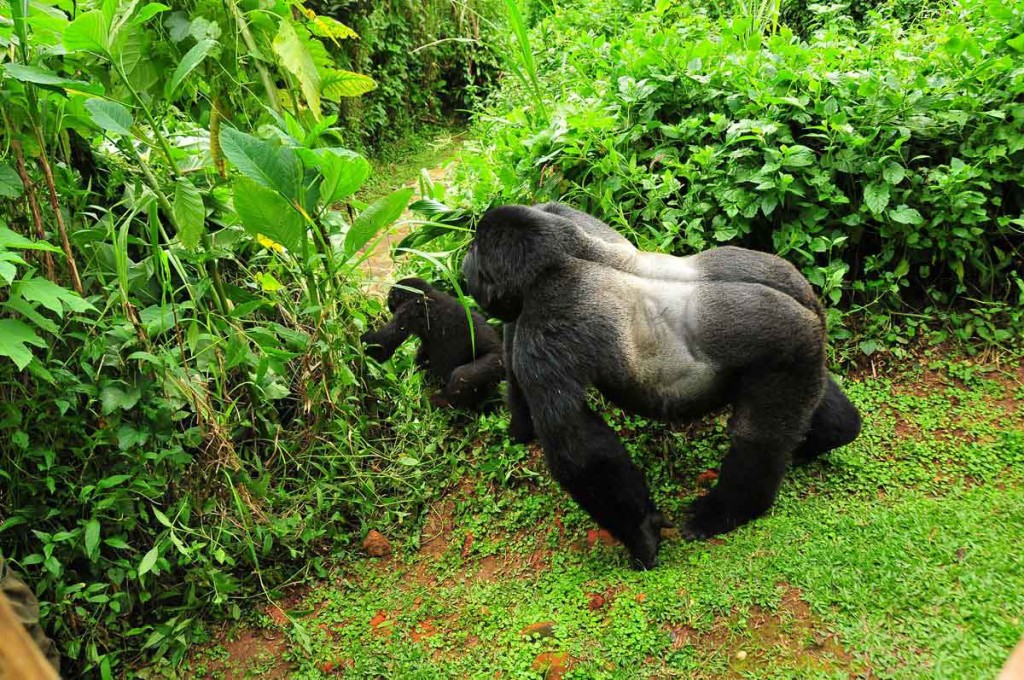
Mountain gorillas are among the rarest and most fascinating primates on Earth. Once on the brink of extinction, these gentle giants now represent one of Africa’s greatest conservation success stories. If you are planning to visit Rwanda’s Volcanoes National Park, you may be wondering: How many mountain gorillas are left in Rwanda today?
Global Mountain Gorilla Population
The most recent census puts the global population of mountain gorillas at just over 1,060 individuals. These are found in only two regions worldwide:
-
The Virunga Massif – shared by Rwanda, Uganda, and the Democratic Republic of the Congo.
-
Bwindi Impenetrable Forest in Uganda.
Unlike other primates, mountain gorillas do not survive in zoos. Their entire population exists only in these forests, making their conservation critical.
Rwanda’s Gorilla Numbers
Rwanda’s Volcanoes National Park is home to approximately 300–380 mountain gorillas, a significant portion of the Virunga population. This makes Rwanda one of the best places in the world to encounter these endangered primates in the wild.
These gorillas live in family groups, led by dominant silverbacks. Tourists are permitted to visit only habituated families—those accustomed to human presence—while many other groups remain completely wild and uncontacted.
Why Gorilla Numbers Are Increasing
Not long ago, mountain gorillas were critically endangered with fewer than 250 individuals remaining in the 1980s. Today, thanks to Rwanda’s strong conservation policies and community involvement, the population has steadily grown. Key reasons include:
-
Strict Protection Measures: Rangers patrol daily to guard against poaching and habitat encroachment.
-
Tourism Revenue Sharing: A portion of every gorilla trekking permit fee goes directly to surrounding communities, giving locals a stake in protecting gorillas.
-
Gorilla Naming Ceremony (Kwita Izina): Each year, baby gorillas are officially named in a traditional ceremony that raises awareness and celebrates conservation achievements.
Why This Number Matters
Having 300+ gorillas in Rwanda is not just about wildlife—it also represents economic empowerment for local communities and hope for global biodiversity. Every gorilla trek supports conservation, healthcare, and education projects in villages around Volcanoes National Park.
The Future of Rwanda’s Mountain Gorillas
While the population is growing, mountain gorillas remain endangered due to their limited range and vulnerability to disease, habitat loss, and climate change. Rwanda continues to invest in eco-tourism and cross-border conservation programs to ensure their survival.
Final Thought
So, how many mountain gorillas are left in Rwanda?
Current estimates show around 300–380 individuals living in Volcanoes National Park, making Rwanda a true stronghold for this species. With ongoing conservation efforts, visitors can experience one of the most intimate and sustainable wildlife encounters on Earth, while also contributing to the survival of these majestic primates.


