Seasonal Travel Planner: Which Tanzania Region to Visit Each Month
Planning the perfect safari is not just about choosing where to go—it’s about when to go. Tanzania is a year-round safari destination, but each month brings unique wildlife experiences, cultural events, and landscapes. Whether you dream of seeing the Great Wildebeest Migration, climbing Mount Kilimanjaro, or relaxing on Zanzibar’s beaches, timing your trip makes all the difference.
This Tanzania seasonal travel planner will guide you through the best regions to visit month by month so you can design your safari around the experiences you value most.
January – Southern Serengeti & Ngorongoro
January is calving season in the Southern Serengeti and Ngorongoro Conservation Area. Over 500,000 wildebeest give birth on the short grass plains, attracting predators like lions, leopards, and hyenas. This is an excellent month for photographers and wildlife enthusiasts looking for dramatic predator-prey encounters.
Highlights:
-
Wildebeest calving season.
-
Predator action in Ndutu.
-
Warm, dry weather for safaris.
February – Serengeti Plains & Lake Manyara
February continues the calving season, offering some of the best game viewing in Tanzania. It’s also a great month for birdwatching at Lake Manyara National Park, with migratory species flocking in.
Highlights:
-
Peak calving and predator hunts in Serengeti.
-
Migratory birdlife at Lake Manyara.
-
Fewer crowds than during migration months.
March – Ngorongoro & Tarangire
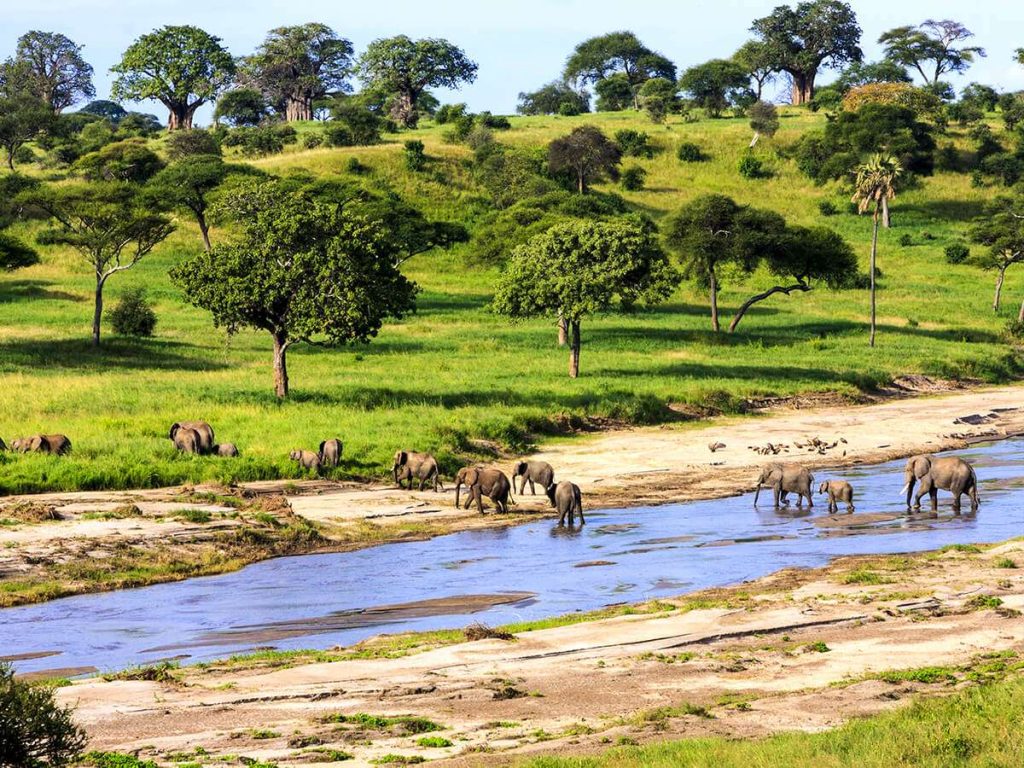
March marks the end of the calving season, and the rains begin to fall. The Ngorongoro Crater is lush and green, making it perfect for dramatic landscape photography. Tarangire National Park is quieter, but elephants and resident wildlife remain active.
Highlights:
April – Offbeat Selous & Ruaha
April is the heart of the long rainy season. While Northern parks can be challenging to access, Selous Game Reserve (now Nyerere National Park) and Ruaha National Park in the south are excellent for travelers seeking fewer crowds and dramatic scenery.
Highlights:
-
Exclusive, uncrowded safaris.
-
Verdant landscapes and rich birdlife.
-
Budget-friendly travel with lodge discounts.
May – Serengeti (Western Corridor)
By May, wildebeest herds move north toward the Western Corridor of the Serengeti. This is a transitional period with lush grass and fewer tourists, making it a great month for those seeking peaceful game drives.
Highlights:
-
Migration herds begin moving north.
-
Affordable mid-season rates.
-
Stunning green landscapes.
June – Grumeti & Central Serengeti
June is one of the best months in this Tanzania seasonal travel planner. The wildebeest herds cross the Grumeti River, where massive crocodiles await. This is the start of the dry season, offering superb game viewing.
Highlights:
July – Northern Serengeti & Kilimanjaro
July is peak safari season. Wildebeest herds gather in the Northern Serengeti preparing for the dramatic Mara River crossings. Meanwhile, Mount Kilimanjaro is at its best for climbers due to dry and clear conditions.
Highlights:
-
Wildebeest river crossings.
-
Peak Kilimanjaro climbing season.
-
Excellent weather across all parks.
August – Serengeti & Zanzibar
August is the best month for the Mara River crossings in the Northern Serengeti. It’s also an ideal time to combine a safari with a beach holiday in Zanzibar, where the weather is sunny and dry.
Highlights:
-
Witness the Great Migration’s river crossings.
-
Relax on Zanzibar’s white-sand beaches.
-
Peak season for wildlife and beach vacations.
September – Serengeti & Ngorongoro
In September, wildebeest herds remain in the Northern Serengeti, while Ngorongoro Crater offers incredible big game viewing. With pleasant weather, it’s a top month for first-time safari travelers.
Highlights:
-
Reliable Mara River crossings.
-
Excellent crater wildlife viewing.
-
Comfortable safari conditions.
October – Ruaha, Selous & Tarangire
October is a transition month before the short rains begin. Tarangire is at its best as elephants gather around the Tarangire River. In the south, Ruaha and Selous offer superb predator sightings with fewer tourists than the north.
Highlights:
November – Serengeti (Southern Plains) & Lake Manyara
November brings the short rains, which revive the Southern Serengeti. Wildebeest herds begin returning to calving grounds, making this a shoulder-season gem. Lake Manyara also shines with vibrant birdlife.
Highlights:
-
Start of wildebeest movement south.
-
Birdwatching paradise in Manyara.
-
Lower rates with good game viewing.
December – Ngorongoro, Serengeti & Zanzibar
December marks the return of the herds to the Southern Serengeti. It’s also festive season, making Tanzania ideal for family safaris. Combine Ngorongoro or Serengeti with a sunny escape to Zanzibar.
Highlights:
-
Wildebeest return to calving grounds.
-
Family-friendly festive safaris.
-
Ideal beach weather in Zanzibar.
Final Thoughts: Designing Your Perfect Safari
Tanzania is extraordinary all year round, but your choice of region depends on what you want to see and experience. Use this Tanzania seasonal travel planner as a guide:
-
For the Great Migration: Visit Serengeti from January–February (calving) or July–September (river crossings).
-
For Kilimanjaro Climbs: July–October and January–March offer the clearest conditions.
-
For Birdwatching: November–April is prime time with migratory species.
-
For Beaches: Zanzibar is best from June–October and December–February.
At Mandrill African Safaris, we specialize in tailoring safari itineraries around your interests and the best seasonal highlights. Whether it’s predator action in Serengeti, cultural encounters with the Maasai, or relaxation on Zanzibar’s spice-scented shores, we craft journeys that fit your travel dreams.