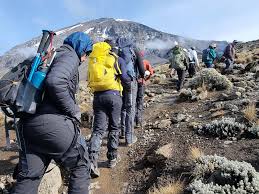
Preparing Physically for Kilimanjaro: Training Plan for Beginners
Introduction
Climbing Mount Kilimanjaro, Africa’s highest peak, is an incredible adventure that attracts trekkers from all over the world. Standing at 5,895 meters (19,341 feet), this dormant volcano in Tanzania promises breathtaking views and the challenge of a lifetime. However, summiting Kilimanjaro isn’t just about determination—it requires physical preparation. A well-structured Kilimanjaro training plan can make the difference between reaching Uhuru Peak and turning back early.
At Mandrill African Safaris, we have guided countless climbers to the summit, and one thing we know for sure: preparation is key. If you are a beginner planning your first trek, this guide outlines a practical training plan to help you build stamina, strength, and confidence.
Why You Need a Kilimanjaro Training Plan
Many beginners assume that because Kilimanjaro is a trekking mountain—not a technical climb—it doesn’t require special training. But the truth is, climbing nearly 6,000 meters involves:
-
Long days of walking (6–10 hours daily)
-
High altitude exposure, where oxygen levels drop significantly
-
Challenging terrain ranging from rainforest to scree slopes
-
Cold temperatures near the summit
A structured Kilimanjaro training plan will help your body adapt to endurance trekking, reduce fatigue, and improve your chances of reaching the top safely.
When to Start Training
We recommend beginning your Kilimanjaro training plan at least three to six months before your climb. This gives your body enough time to gradually build strength and cardiovascular endurance without risking injury.
Key Components of a Beginner’s Kilimanjaro Training Plan
1. Cardiovascular Endurance (3–4 days per week)
Since Kilimanjaro trekking involves continuous walking, cardio exercises are the foundation of your training. Aim for activities that raise your heart rate and build stamina.
-
Hiking or hill walking: Practice on trails with elevation gain. If you don’t have hills nearby, use staircases or a treadmill set to incline.
-
Running or jogging: Begin with 20–30 minutes and gradually extend to 45–60 minutes.
-
Cycling or swimming: Excellent low-impact cardio alternatives.
Pro tip: Try to do at least one long hike every weekend, progressively increasing your distance and elevation.
2. Strength Training (2–3 days per week)
Strength training builds muscle endurance for carrying a daypack and walking on varied terrain. Focus on legs, core, and back.
-
Leg exercises: Squats, lunges, step-ups, calf raises.
-
Core exercises: Planks, bicycle crunches, Russian twists.
-
Upper body: Push-ups, dumbbell rows, shoulder presses.
Carrying a backpack with light weights while doing step-ups or squats will mimic real trail conditions.
3. Flexibility and Mobility (Daily)
Flexibility reduces the risk of injury and helps with long days of trekking.
-
Include stretching after every workout.
-
Focus on hamstrings, calves, hips, and shoulders.
-
Consider yoga, which improves both flexibility and breathing techniques.
4. Altitude Simulation and Practice Hikes
While you can’t perfectly simulate Kilimanjaro’s altitude, hiking at higher elevations (if available) or doing long hikes with a backpack prepares your body for the challenge.
-
Gradually increase the weight in your pack (start with 5kg, build up to 10–12kg).
-
Practice back-to-back hikes (two consecutive days) to mimic Kilimanjaro trekking days.
5. Mental Preparation
Summiting Kilimanjaro is as much a mental challenge as a physical one. Build resilience by:
-
Training in varied weather conditions (rain, cold, heat).
-
Practicing “pole pole” (Swahili for “slowly, slowly”), the pace you’ll use on the mountain.
-
Visualizing yourself on the trail and at the summit.
Sample 12-Week Kilimanjaro Training Plan for Beginners
Here’s a simple, progressive schedule to follow:
Weeks 1–4: Building the Base
-
Cardio: 3 days per week (30–45 min jogging, cycling, or brisk walking)
-
Strength: 2 days per week (bodyweight exercises, light weights)
-
Weekend hike: 2–3 hours on trails or inclines
-
Stretching/yoga: 10–15 minutes daily
Weeks 5–8: Increasing Endurance
-
Cardio: 4 days per week (45–60 min, mix of running and hill walking)
-
Strength: 3 days per week (add resistance, increase reps)
-
Weekend hike: 4–6 hours, moderate elevation, with a weighted backpack
-
Back-to-back hikes: Start incorporating two-day hikes
-
Stretching/yoga: Daily
Weeks 9–12: Peak Training
-
Cardio: 4–5 days per week (intervals + endurance sessions)
-
Strength: 3 days per week (heavier weights, functional movements)
-
Weekend hike: 6–8 hours with 8–12kg backpack, higher elevation if possible
-
Back-to-back hikes: At least 2 weekends of consecutive long hikes
-
Stretching/yoga: Daily
Final Week Before Climb
-
Reduce intensity, focus on light cardio and stretching.
-
Allow your body to rest and recover before the big adventure.
Nutrition and Hydration Tips During Training
-
Stay hydrated: Drink plenty of water before, during, and after workouts.
-
Eat balanced meals: Focus on lean proteins, whole grains, fruits, and vegetables.
-
Practice trail snacks: Try energy bars, nuts, or dried fruit during long hikes.
-
Avoid crash diets: Fuel your training; you’ll burn a lot of calories on Kilimanjaro.
Common Mistakes Beginners Make
-
Not training with a backpack – carrying weight changes balance and endurance.
-
Ignoring recovery – rest days are as important as workouts.
-
Focusing only on cardio – strength and flexibility are equally vital.
-
Not breaking in hiking boots – always train in the gear you’ll use.
-
Underestimating altitude – fitness helps, but pacing and acclimatization matter.
Why Train with Mandrill African Safaris Guidance
At Mandrill African Safaris, we don’t just take you to the mountain; we prepare you for success. Our expert guides share pre-climb advice, recommend local hikes in Tanzania, and support you every step of the journey. With proper preparation and the right Kilimanjaro training plan, your dream of standing on the “Roof of Africa” can become reality.
Conclusion
Climbing Mount Kilimanjaro is an unforgettable adventure that rewards those who prepare well. By following a structured Kilimanjaro training plan that focuses on endurance, strength, flexibility, and mental resilience, even beginners can confidently take on the challenge.