Dar es Salaam City Guide: Markets, Museums and Nightlife
Explore Dar es Salaam with our ultimate city guide. Discover vibrant markets, cultural museums, and thrilling nightlife in Tanzania’s largest city.
Introduction to Dar es Salaam
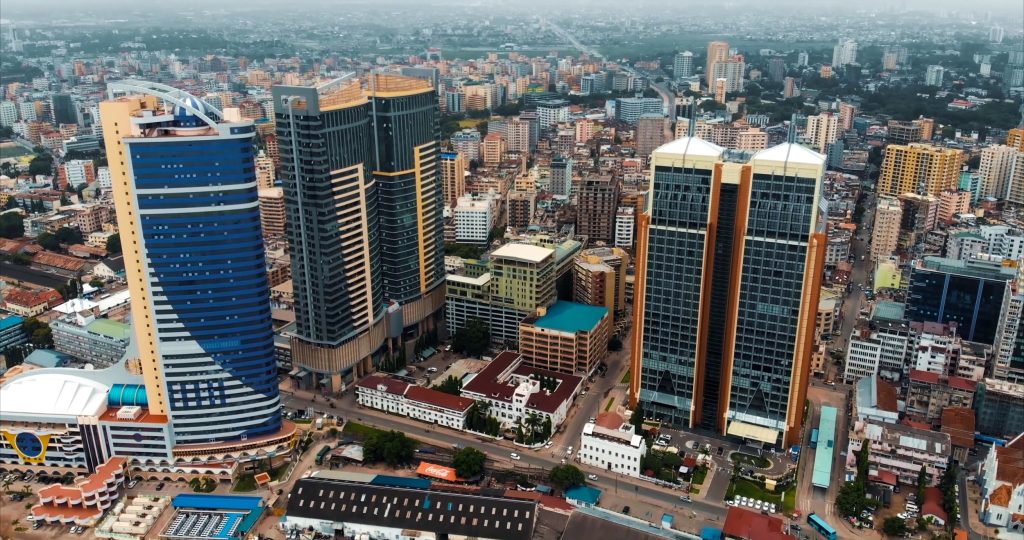
Dar es Salaam, Tanzania’s largest city and commercial hub, is more than just a gateway to safari adventures and Zanzibar’s beaches. This bustling coastal metropolis blends Swahili charm with modern vibrancy, offering visitors an exciting mix of markets, museums, and nightlife. Whether you’re on a short stopover or spending several days, this Dar es Salaam city guide will help you experience the city’s cultural treasures, culinary delights, and after-dark energy.
Kariakoo Market – A Shopper’s Paradise
If you want to experience the true heartbeat of Dar es Salaam, start at Kariakoo Market. Known as one of East Africa’s largest and busiest markets, it’s a labyrinth of stalls selling everything from fresh produce and spices to fabrics and electronics.
Highlights:
Fresh Spices and Produce: Perfect for picking up Tanzanian spices like cloves, cinnamon, and cardamom.
Kitenge Fabrics: Colorful printed cotton fabrics that make great souvenirs.
Local Snacks: Sample chapati, mandazi, or roasted maize as you shop.
Tip: Visit in the morning to avoid peak crowds and bring small Tanzanian shilling notes for easier bargaining.
Mwenge Carvers Market – Handcrafted Art
For travelers seeking authentic Tanzanian art, Mwenge Carvers Market is a must-visit. This open-air market showcases skilled artisans carving wooden sculptures, masks, and furniture.
Why It’s Special:
Watch craftsmen at work, carving intricate designs from mahogany and ebony.
Purchase unique souvenirs like Makonde sculptures or Maasai beadwork.
Support local artists directly.
Tip: Bargain politely; it’s part of the shopping culture.
National Museum and House of Culture
No Dar es Salaam city guide would be complete without mentioning the National Museum and House of Culture. This museum offers a fascinating journey through Tanzania’s history, archaeology, and art.
Exhibits to See:
Fossils from Olduvai Gorge, a key site in human evolution.
Ancient musical instruments and tribal artifacts.
Contemporary Tanzanian art collections.
Tip: Take a guided tour to gain deeper insights into the exhibits.
Village Museum – A Living Cultural Experience
Located along Bagamoyo Road, the Village Museum provides a unique way to explore Tanzania’s diverse tribal heritage. The open-air setting features traditional huts from various ethnic groups, each decorated with authentic tools and furnishings.
Experience Includes:
Live traditional dance performances.
Craft demonstrations such as pottery and weaving.
Insights into rural Tanzanian lifestyles.
Azania Front Lutheran Church
For a dose of colonial-era architecture, visit the Azania Front Lutheran Church, built by German missionaries in the late 19th century. Its striking red roof and whitewashed walls make it one of the city’s most photographed landmarks.
Tip: Check the church schedule if you’d like to attend a service and hear the beautiful choir performances.
Dar es Salaam Nightlife – From Sundowners to Dance Floors
Dar es Salaam’s nightlife is as diverse as its culture. From relaxed seaside bars to energetic nightclubs, the city comes alive after dark.
Slipway – Sunset and Seafood
Located on the Msasani Peninsula, Slipway offers oceanfront bars and restaurants perfect for watching the sunset. Try local seafood dishes while enjoying live music.
Samaki Samaki – The Hip Hangout
A vibrant restaurant and bar popular with locals and expats. Expect great seafood, cocktails, and a lively atmosphere.
Club Bilicanas – Dance the Night Away
One of Dar’s oldest nightclubs, playing a mix of Bongo Flava, Afrobeat, and international hits.
Safety Tip: Always use reputable taxis or ride-hailing apps when heading out at night.
Food Scene – Where to Eat in Dar es Salaam
Dar’s culinary scene reflects its multicultural influences, blending Swahili, Indian, Arabic, and continental flavors.
Must-Try Dishes:
Zanzibar Mix: A spicy chickpea soup topped with crispy bhajias.
Mishkaki: Skewered grilled meat served with spicy sauce.
Octopus Curry: Coastal specialty packed with flavor.
Recommended Restaurants:
Cape Town Fish Market: For seafood lovers.
305 Karafuu: A fine dining spot with fusion cuisine.
Chef’s Pride: Affordable local favorites.
Best Time to Visit Dar es Salaam
The city is warm year-round, but the best time to visit is during the dry seasons: June–October and December–February. These months offer pleasant weather for exploring markets, museums, and the coastline.
Getting Around the City
Bajaji (Tuk-tuks): Affordable and perfect for short distances.
Dala-dalas (Minibuses): Budget option but can be crowded.
Ride-hailing Apps: Safer and more comfortable for visitors.
Ferry to Zanzibar: Departing from Dar es Salaam’s ferry terminal.
Practical Travel Tips
Currency: Tanzanian Shilling (TZS).
Language: Swahili is widely spoken; English is common in tourist areas.
Safety: Keep valuables secure, especially in crowded markets.
Dress Code: Light clothing for the tropical climate, but modest attire is appreciated in cultural sites.
Conclusion – Your Gateway to Tanzania’s Culture and Energy
Dar es Salaam is more than just a transit point for safaris and Zanzibar—it’s a destination worth exploring in its own right. With its vibrant markets, rich museum culture, and lively nightlife, the city offers an unforgettable Tanzanian experience.