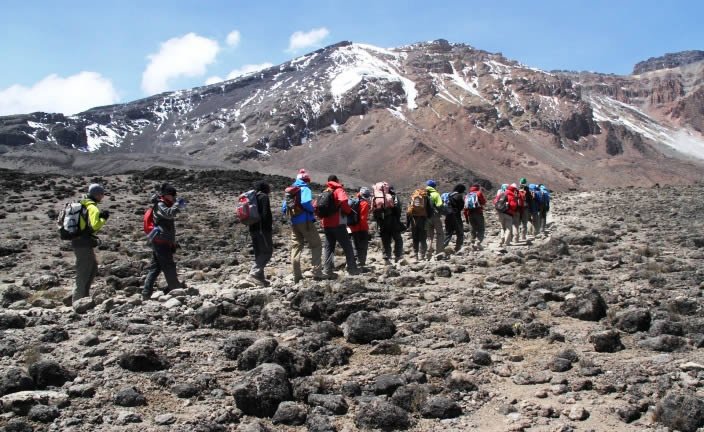
How to Choose the Best Kilimanjaro Route: Machame, Lemosho, Marangu Compared
Discover the best Kilimanjaro route for your adventure. Compare Machame, Lemosho, and Marangu routes with Mandrill African Safaris to find your perfect climb.
Climbing Mount Kilimanjaro is a once-in-a-lifetime adventure, but before you lace up your boots and pack your trekking poles, you’ll need to answer one important question: Which is the best Kilimanjaro route for you?
With several routes to choose from, each offering unique scenery, challenges, and success rates, the decision can be overwhelming. The three most popular routes—Machame, Lemosho, and Marangu—are often at the top of climbers’ lists. In this guide, Mandrill African Safaris breaks down each route’s pros, cons, and ideal traveler profile so you can make the right choice.
Understanding the Kilimanjaro Routes
Before diving into comparisons, here’s why choosing the best Kilimanjaro route matters:
It determines your success rate in reaching the summit.
It shapes your overall trekking experience, including scenery and crowd levels.
It affects your budget, with differences in length and logistics.
Mandrill African Safaris offers expert-guided treks on all major routes, ensuring your climb is safe, enjoyable, and tailored to your fitness level.
1. Machame Route – “The Whiskey Route”
Overview
The Machame Route is arguably the most famous Kilimanjaro route, nicknamed “The Whiskey Route” for its reputation as a challenging yet rewarding trek. It usually takes 6–7 days to complete and approaches the mountain from the south.
Highlights
Scenic diversity: Pass through lush rainforest, moorlands, alpine desert, and icy glaciers.
High acclimatization success: The climb follows the “climb high, sleep low” principle, improving summit chances.
Dramatic landscapes: Iconic views of Shira Plateau and Barranco Wall.
Pros
High success rate (around 85% for 7-day itineraries).
Beautiful and varied scenery.
Great acclimatization profile.
Cons
Best For:
Trekkers who want a challenging yet scenic route with high summit success rates and don’t mind meeting other climbers along the way.
2. Lemosho Route – “The Scenic Gem”
Overview
The Lemosho Route is often considered the most beautiful path to the summit. It begins on the western side of Kilimanjaro, crossing remote, wild landscapes before joining the Machame Route. It typically takes 7–8 days.
Highlights
Remote start: Low traffic in the first few days.
Variety of habitats: Rich rainforest, giant heathers, and panoramic ridge walks.
Wildlife sightings: Elephants, buffalo, and even colobus monkeys in the lower sections.
Pros
Highest summit success rates (over 90% on 8-day itineraries).
Exceptional scenery and fewer crowds early on.
Longer itinerary allows gradual acclimatization.
Cons
Best For:
Trekkers who want the best combination of scenery, acclimatization, and solitude, and who have the time and budget for a longer trek.
3. Marangu Route – “The Coca-Cola Route”
Overview
The Marangu Route is Kilimanjaro’s oldest and most established route, approaching from the east. It takes 5–6 days and is unique for offering hut accommodations instead of camping.
Highlights
Comfortable huts: Dormitory-style accommodation with mattresses and communal dining halls.
Direct route: Shorter itinerary, making it more affordable.
Gentle slopes (initially): Gradual climb for the first few days.
Pros
Cons
Lower success rate (about 65% on 5-day itineraries) due to shorter acclimatization.
Fewer scenic variations compared to Machame or Lemosho.
Can be crowded, especially in peak season.
Best For:
Trekkers who prefer huts over tents, have less time, or are on a tighter budget—but still want a chance at the summit.
Side-by-Side Comparison Table
| Feature | Machame Route | Lemosho Route | Marangu Route |
|---|
| Duration | 6–7 days | 7–8 days | 5–6 days |
| Success Rate | High (85%) | Very High (90%+) | Moderate (65%) |
| Accommodation | Camping | Camping | Huts |
| Scenery | Excellent | Exceptional | Moderate |
| Crowds | Moderate-High | Low-Moderate | High |
| Difficulty | Moderate-Hard | Moderate-Hard | Easy-Moderate |
| Cost | $$ | $$$ | $ |
Which is the Best Kilimanjaro Route for You?
Choosing the best Kilimanjaro route depends on your time, budget, fitness level, and trekking style:
If you want the most scenic and successful climb: Go for Lemosho.
If you want a mix of scenery, challenge, and affordability: Choose Machame.
If you have limited time or want huts: Opt for Marangu.
Mandrill African Safaris recommends allowing at least 7 days on any route for the best acclimatization and summit success.
Pro Tips from Mandrill African Safaris
Book early to secure permits and preferred dates, especially in peak seasons (June–October, December–February).
Train in advance with cardio, strength, and endurance workouts.
Pack for all climates—from humid forests to icy summit winds.
Choose a reputable operator (like Mandrill African Safaris) with experienced mountain guides, quality gear, and proper safety measures.
Consider extra acclimatization days to boost success chances.
Why Climb with Mandrill African Safaris?
At Mandrill African Safaris, we pride ourselves on delivering safe, personalized, and unforgettable Kilimanjaro experiences. Whether you choose the Machame, Lemosho, or Marangu route, we provide:
Expert guides trained in mountain safety and first aid.
Well-maintained equipment for camping routes.
Custom itineraries to suit your pace and preferences.
All-inclusive packages covering park fees, meals, porters, and transfers.
Your Kilimanjaro climb is more than a trek—it’s a journey of self-discovery, and we’re here to make it extraordinary.
Final Word
There’s no single best Kilimanjaro route for everyone—it’s about finding the path that matches your goals, schedule, and comfort level. Whether you’re drawn to the stunning isolation of Lemosho, the iconic landscapes of Machame, or the hut-based convenience of Marangu, Mandrill African Safaris will guide you every step of the way to Uhuru Peak—the roof of Africa.