48 Hours in Serengeti: A Perfect Short Safari Itinerary
2025-08-12
Olduvai Gorge and Human Origins
2025-08-13Visiting the Maasai: Cultural Etiquette, Crafts, and Responsible Visits
Introduction: Why a Maasai Cultural Visit Matters
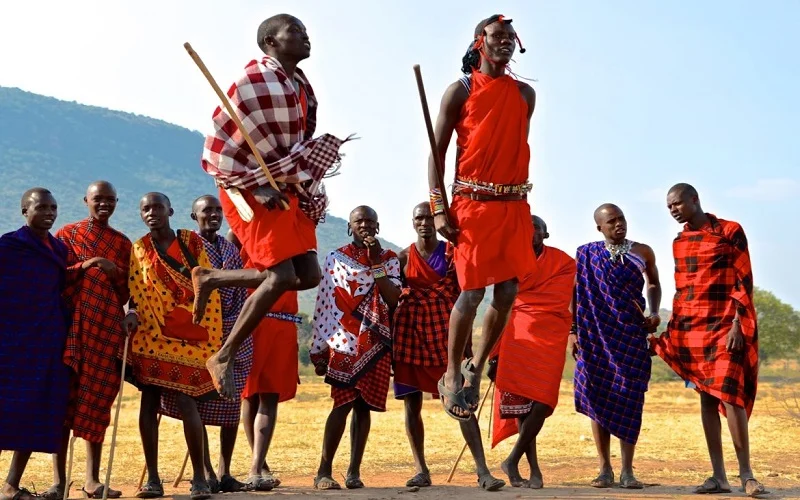
A safari in East Africa isn’t only about wildlife—it’s also about connecting with the people whose traditions have shaped the region for centuries. Among the most recognized are the Maasai, a semi-nomadic pastoralist community known for their striking red attire, intricate beadwork, and deep connection to the land.
However, a truly meaningful Maasai encounter goes beyond snapping a few photos. It requires respect, understanding, and responsible engagement. In this guide, Mandrill African Safaris shares essential Maasai cultural visit tips to help you enjoy an authentic experience while supporting the community’s well-being.
1. Understanding the Maasai Way of Life
Before visiting, it’s important to know a little about Maasai culture:
-
Location: Primarily in southern Kenya and northern Tanzania, near national parks like Serengeti, Amboseli, and Ngorongoro.
-
Livelihood: Cattle herding is central to Maasai identity, both economically and culturally.
-
Dress: Bright red or blue shúkà (robes), elaborate bead jewelry, and sandals made from recycled materials.
-
Beliefs: A deep spiritual connection to cattle, land, and community, with traditions passed down through generations.
This context will help you approach your visit with cultural sensitivity.
2. Cultural Etiquette: Do’s and Don’ts
Respect is the foundation of a positive interaction. Here are some key Maasai cultural visit tips to guide your behavior:
 Do:
-
Ask Before Taking Photos – Always seek permission before photographing people, especially elders.
-
Greet Politely – A simple “Supa” (hello) in Maa language shows effort and respect.
-
Dress Modestly – Cover shoulders and knees, especially when visiting homes or participating in ceremonies.
-
Listen Actively – Let the Maasai explain their culture in their own words.
 Don’t:
-
Touch Without Permission – Avoid touching people’s hair, clothing, or jewelry without consent.
-
Assume Stereotypes – Every Maasai community is different; avoid generalizing.
-
Disrupt Ceremonies – If invited to observe a ritual, remain quiet and follow the guide’s instructions.
Mandrill African Safaris ensures our guests receive a short cultural briefing before entering a village, so you feel confident and respectful.
3. Supporting Maasai Crafts and Traditions
One of the most rewarding parts of a Maasai cultural visit is exploring their handmade crafts. These are not just souvenirs—they are artistic expressions and vital sources of income.
Common Maasai Crafts:
-
Beaded Jewelry: Necklaces, bracelets, and earrings in symbolic colors.
-
Wooden Carvings: Depicting animals, warriors, and daily life.
-
Shúkà Robes: Brightly patterned wraps in traditional colors.
Responsible Purchasing Tips:
-
Buy Directly from Artisans: This ensures fair compensation.
-
Avoid Bargaining Too Aggressively: A respectful negotiation maintains dignity.
-
Learn the Meaning: Ask about the symbolism of colors and patterns—it makes your item more meaningful.
Mandrill African Safaris often arranges for guests to visit community craft markets, ensuring purchases directly benefit local women’s groups.
4. The Role of Tourism in Maasai Communities
Tourism can be both a blessing and a challenge for traditional communities. Done right, it brings income, education, and healthcare opportunities. Done poorly, it risks commodifying culture.
How Responsible Visits Help:
-
Economic Empowerment: Entrance fees and craft sales provide a sustainable income.
-
Cultural Preservation: Tourism creates incentives to maintain language, dress, and traditions.
-
Community Projects: Funds may go toward building schools, clinics, or water systems.
Mandrill African Safaris’ Commitment:
We work with Maasai villages that have chosen to engage in tourism and set their own visitor guidelines. We prioritize ethical partnerships over staged, commercialized encounters.
5. How to Prepare for Your Maasai Cultural Visit
To make the most of your trip:
-
Learn a Few Words in Maa – Basic greetings can break the ice.
-
Bring Small Bills – Useful for craft purchases or voluntary donations.
-
Wear Comfortable Shoes – You might walk through the village or nearby grazing lands.
-
Stay Hydrated – East African sun can be intense, even during short visits.
-
Keep an Open Mind – Cultural norms may differ greatly from your own.
6. A Sample Maasai Cultural Visit Itinerary
Here’s how a typical visit with Mandrill African Safaris might unfold:
-
Morning Game Drive – Spot wildlife in nearby parks such as Serengeti or Amboseli.
-
Arrival at Maasai Village – Warm welcome with songs and traditional dances.
-
Guided Village Tour – Learn about hut construction, livestock care, and daily routines.
-
Cultural Exchange – Share stories, ask questions, and engage respectfully.
-
Craft Market Visit – Support local artisans by purchasing handmade jewelry or fabrics.
-
Farewell Ceremony – Leave with memories, photos (with permission), and a deeper appreciation for Maasai heritage.
7. The Ethics of Photography and Storytelling
Photos are powerful—but they can also misrepresent. Keep these guidelines in mind:
-
Seek Consent – Especially for close-up portraits.
-
Share Responsibly – Avoid captions that stereotype or romanticize.
-
Give Back – Consider sending printed photos to the village via your tour operator.
Mandrill African Safaris encourages guests to focus on experiences first and photography second, ensuring your trip is immersive and respectful.
Conclusion: Travel With Respect, Return With Meaning
A Maasai cultural visit can be one of the most transformative experiences of your East African safari. By following these Maasai cultural visit tips—showing respect, supporting crafts, and choosing responsible tour operators—you’ll not only gain insight into a unique way of life but also contribute to its preservation.
At Mandrill African Safaris, we believe that cultural encounters should be partnerships, not performances. When you travel with us, you’re not just observing—you’re participating in a respectful exchange that benefits both visitor and host.