Why Combine Gorilla Trekking in Uganda with a Kenya Safari?
2026-11-02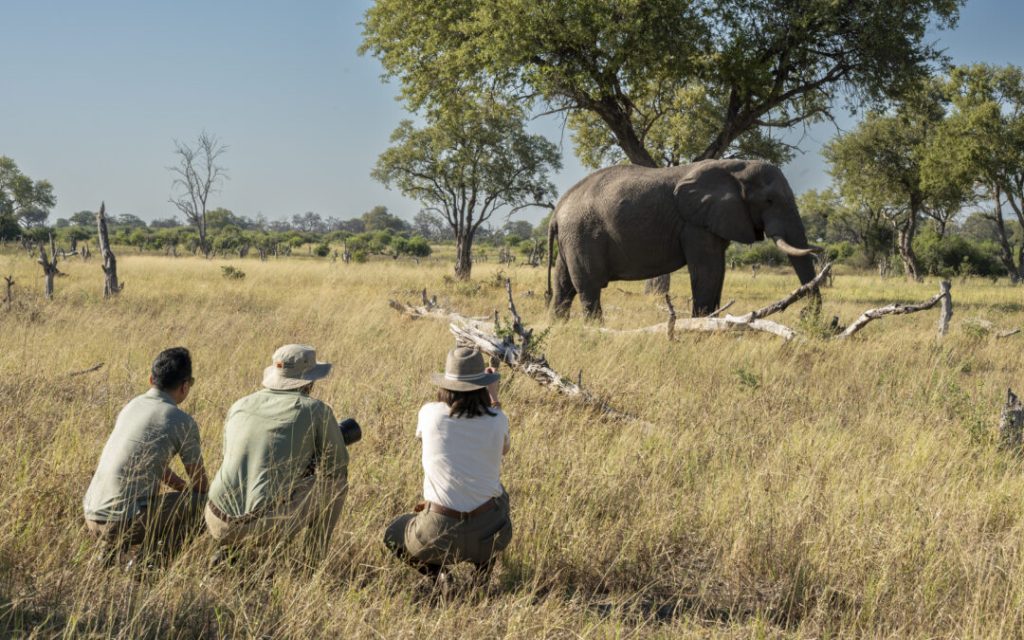
Walking Safaris in Tanzania: Discover Africa’s Wilderness on Foot
Discover walking safaris in Tanzania, explore Tarangire, Serengeti, Ngorongoro and Arusha National Park, and experience Africa’s wilderness on foot with Mandrill African Safaris.
A walking safari allows visitors to discover the smaller details of the African bush that are often overlooked during vehicle-based safaris. From animal footprints and bird calls to medicinal plants, insects, and fascinating wildlife behavior, every step reveals something new about the natural environment.
At Mandrill African Safaris, we believe that exploring Tanzania on foot creates a deeper connection with nature. Whether you are an adventure enthusiast, wildlife photographer, nature lover, or first-time African safari traveler, a guided walking safari can become one of the most memorable parts of your East African adventure.
This guide explores the best destinations, activities, wildlife encounters, safety considerations, and practical tips for enjoying walking safaris in Tanzania.
1. What Is a Walking Safari in Tanzania?
A walking safari is a guided wilderness experience where visitors explore natural environments on foot instead of relying entirely on safari vehicles. Participants are accompanied by trained and authorized guides, and in areas where required, armed rangers.
Unlike traditional game drives, walking safaris focus on experiencing the wilderness at ground level. Visitors learn how animals interact with their surroundings, how to identify tracks, and how different plants and ecosystems support wildlife.
During a typical walking safari, travelers may encounter:
-
Elephants, giraffes, zebras, and antelopes from a safe distance.
-
Different bird species and their unique calls.
-
Animal tracks, footprints, and droppings.
-
Traditional medicinal plants and indigenous trees.
-
Termite mounds, insects, and other fascinating small creatures.
-
Beautiful African landscapes and natural vegetation.
Walking safaris are generally conducted in designated areas where walking activities are permitted. Not every national park or conservation area allows unrestricted walking, so visitors should always book through licensed operators.
2. Best Destinations for Walking Safaris in Tanzania
Tanzania has several outstanding destinations for guided walking experiences. Each offers unique scenery, wildlife, and opportunities to discover the African wilderness.
A. Tarangire National Park – Walking Among Giants
Tarangire National Park is among Tanzania’s most rewarding destinations for wildlife enthusiasts. It is famous for its large elephant populations, ancient baobab trees, seasonal rivers, and diverse wildlife.
Walking experiences in designated areas provide opportunities to explore the park’s natural environment while learning about animal tracks, vegetation, and birdlife.
Visitors can discover:
-
Elephant feeding and movement patterns.
-
Baobab trees and their ecological importance.
-
Different antelope species.
-
Colourful birds and smaller wildlife.
-
Seasonal changes in the Tarangire ecosystem.
Tarangire is particularly attractive during the dry season when wildlife gathers around available water sources.
B. Serengeti National Park – Experience the Famous African Plains
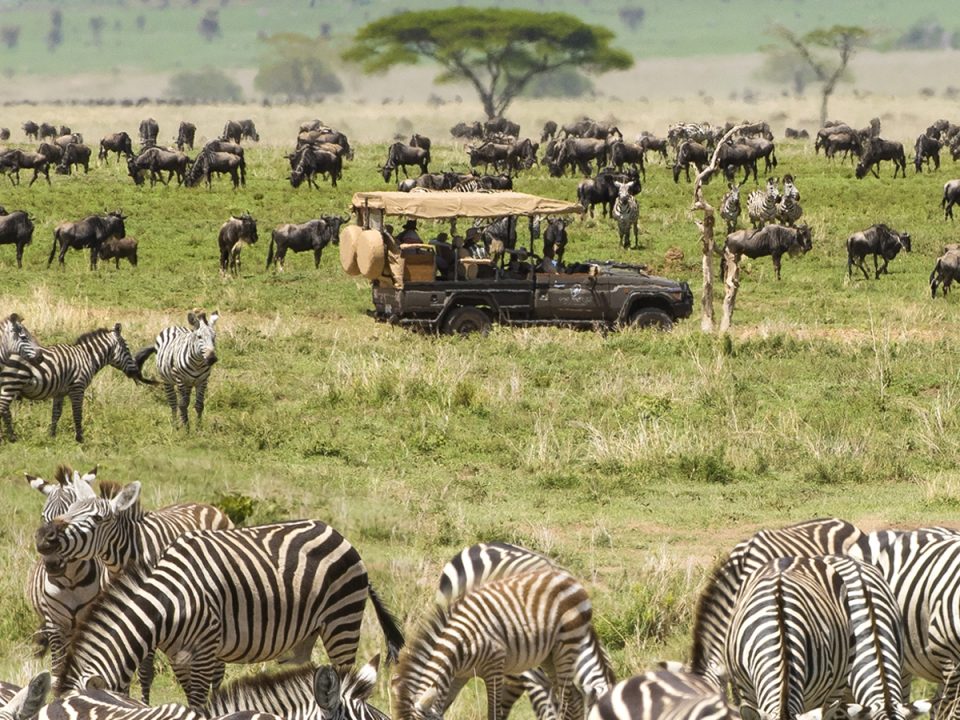
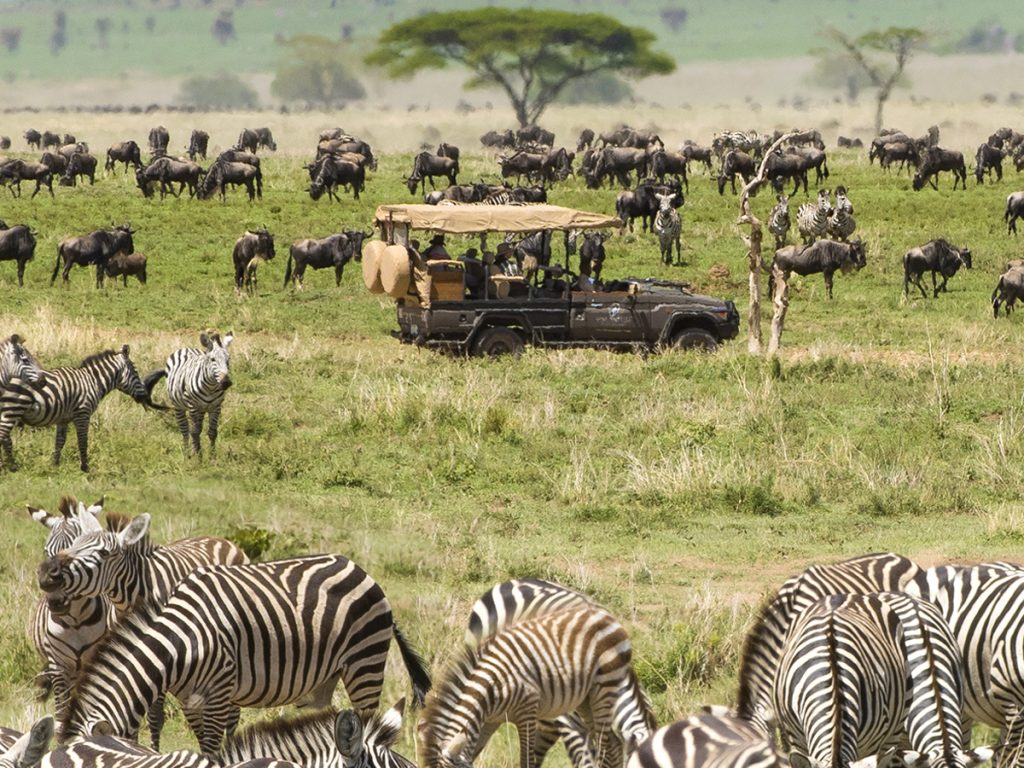
The Serengeti is internationally recognized for its extraordinary wildlife populations and the Great Wildebeest Migration.
Although the Serengeti is primarily explored through game drives, guided walking safaris are possible in designated areas and approved walking concessions.
Walking through the Serengeti provides a different perspective of its vast grasslands, scattered acacia trees, and diverse ecosystems.
Travelers may learn about:
-
The migration patterns of wildebeest and zebras.
-
Predator-prey relationships.
-
Different grassland ecosystems.
-
Animal tracks and wildlife identification.
-
Bird species and their habitats.
For visitors seeking a more immersive wilderness experience, combining a Serengeti game drive with an authorized walking safari can be rewarding.
C. Lake Manyara National Park – Explore Forests and Lakeside Landscapes
Lake Manyara National Park is famous for its beautiful landscapes, groundwater forests, diverse birdlife, and spectacular views of the Great Rift Valley.
Walking opportunities in approved areas allow travelers to appreciate the park’s smaller ecological details.
Visitors can enjoy:
-
Exploring forest vegetation.
-
Observing different bird species.
-
Learning about indigenous trees and plants.
-
Discovering animal tracks.
-
Enjoying beautiful views of Lake Manyara.
The park is particularly appealing to birdwatchers and nature enthusiasts interested in Tanzania’s ecological diversity.
D. Ngorongoro Conservation Area – Walk Through Ancient Landscapes
The Ngorongoro Conservation Area offers some of the most impressive landscapes in East Africa. Its volcanic highlands, crater scenery, grasslands, and traditional Maasai communities create opportunities for memorable guided walking experiences.
One of the most attractive walking destinations is Empakaai Crater, where visitors can hike through forested slopes towards a beautiful crater lake.
Activities include:
-
Guided hikes through the Ngorongoro Highlands.
-
Exploring Empakaai Crater.
-
Discovering volcanic landscapes.
-
Learning about local Maasai traditions.
-
Observing birds and natural vegetation.
Unlike wildlife walks in some national parks, certain Ngorongoro walking experiences focus more on hiking, scenery, and cultural discovery.
E. Arusha National Park – A Perfect Destination for Nature Walks
Arusha National Park is one of the most convenient destinations for walking safaris, particularly for travelers staying in Arusha before or after a northern Tanzania safari.
The park features forests, open grasslands, volcanic landscapes, and beautiful lakes.
Walking experiences provide opportunities to encounter:
-
Giraffes.
-
Zebras.
-
Buffaloes.
-
Warthogs.
-
Different monkey species.
-
Numerous bird species.
Visitors can also enjoy views of Mount Meru and the surrounding landscapes.
Arusha National Park is an excellent choice for travelers who want a walking safari experience without traveling far from the city.
F. Ruaha National Park – An Authentic Southern Tanzania Wilderness
Ruaha National Park offers an excellent wilderness atmosphere, with vast landscapes, baobab woodlands, river systems, and impressive wildlife populations.
Walking safaris in designated areas allow visitors to experience the park’s natural environment more intimately.
Travelers may discover:
-
Elephant tracks and wildlife pathways.
-
Ancient baobab trees.
-
Different bird species.
-
African vegetation and medicinal plants.
-
Signs of predators and other wildlife.
Ruaha is especially attractive to travelers looking for quieter, less crowded safari experiences.
3. What Wildlife Can You See During a Walking Safari?
Tanzania is home to an extraordinary variety of wildlife, making it an exciting destination for walking safari enthusiasts.
Although walking safaris do not guarantee close encounters with large animals, visitors may observe wildlife from safe and carefully managed distances.
Some commonly encountered animals include:
Elephants: Tanzania has significant elephant populations, particularly in Tarangire and Ruaha. Guides explain their feeding habits, movement patterns, and social behavior.
Giraffes: These elegant animals are often seen browsing on acacia trees in open grasslands and woodland habitats.
Zebras: Their distinctive black-and-white stripes make them among the most recognizable animals in Tanzania.
Antelopes: Impalas, gazelles, and other antelope species are important components of Tanzania’s ecosystems.
Buffaloes: These powerful animals may be encountered in suitable habitats, although guides maintain safe distances.
Birds: Walking safaris are particularly rewarding for birdwatchers. Visitors may identify kingfishers, hornbills, bee-eaters, rollers, eagles, and many other species.
The experience is not only about seeing large mammals. Discovering insects, plants, animal tracks, and the relationship between different species makes walking safaris educational and exciting.
4. Activities to Enjoy During Tanzania Walking Safaris
Walking safaris can include several activities depending on the destination, walking route, and visitor interests.
Guided Nature Walks
These walks introduce travelers to the different plants, animals, and natural features of Tanzania’s wilderness.
Birdwatching
Tanzania is a paradise for bird enthusiasts. Walking allows visitors to listen to bird calls and observe species that may be difficult to notice from a vehicle.
Wildlife Tracking
Professional guides demonstrate how to identify animal footprints, droppings, feeding signs, and other evidence of wildlife movement.
Cultural Experiences
In destinations such as the Ngorongoro Highlands, visitors may combine walking experiences with authorized cultural visits to learn about Maasai traditions and pastoral lifestyles.
Landscape Photography
Walking safaris offer opportunities to photograph natural scenery, vegetation, insects, birds, and wildlife from different perspectives.
5. Best Time for Walking Safaris in Tanzania
Walking safaris can be enjoyed throughout much of the year, but the best time depends on the destination, weather conditions, and preferred activities.
June to October – Dry Season
This is generally one of the best periods for wildlife safaris in Tanzania.
Advantages include:
-
Less dense vegetation in many areas.
-
Better visibility in open habitats.
-
More predictable walking conditions.
-
Excellent opportunities for wildlife photography.
January to February – Short Dry Period
This period offers pleasant opportunities for exploring Tanzania’s wilderness. It is also an exciting time for travelers interested in the southern Serengeti’s wildebeest calving season.
March to May – Long Rainy Season
Heavy rains can make some walking routes muddy and difficult to access. However, the landscapes become greener, and birdwatching can be rewarding.
November to December – Short Rainy Season
Short rains often transform the landscape into beautiful green scenery. Walking activities remain possible in suitable areas, depending on weather and park regulations.
For most first-time visitors, June to October is an excellent starting point when planning a Tanzania walking safari.
6. What to Pack for a Walking Safari in Tanzania
Proper preparation makes a significant difference when exploring Tanzania on foot.
Travelers should consider packing:
-
Comfortable walking shoes: Choose sturdy hiking shoes with good grip and ankle support.
-
Lightweight clothing: Neutral colours such as khaki, brown, and green are suitable for the bush.
-
Wide-brimmed hat: Protects the head and face from direct sunlight.
-
Sunscreen: Helps protect exposed skin.
-
Insect repellent: Useful in areas where mosquitoes and other insects are present.
-
Binoculars: Useful for observing distant birds and wildlife.
-
Camera: Capture landscapes and memorable wilderness moments.
-
Reusable water bottle: Stay hydrated during walks.
-
Small backpack: Carry personal essentials comfortably.
-
Light rain jacket: Particularly useful during unpredictable weather.
Avoid wearing brightly coloured clothing, strong perfumes, or anything that may interfere with the walking experience.
7. Safety Guidelines for Walking Safaris in Tanzania
Safety is one of the most important considerations when participating in walking safaris.
Unlike game drives, walking safaris place visitors directly within natural wildlife habitats. Therefore, travelers must follow professional guidance throughout the experience.
Important safety guidelines include:
-
Always walk with an authorized professional guide.
-
Follow instructions from guides and armed rangers where required.
-
Maintain safe distances from wild animals.
-
Never attempt to approach, feed, or touch wildlife.
-
Avoid making unnecessary noise.
-
Stay together as a group.
-
Do not leave designated walking routes without permission.
-
Inform your guide about any physical limitations before starting.
-
Carry sufficient drinking water.
-
Follow park regulations and wildlife protection guidelines.
Remember that wild animals are unpredictable. Walking safaris should always be conducted in approved areas under the supervision of qualified professionals.
8. Walking Safaris vs Traditional Game Drives
Both walking safaris and traditional game drives provide excellent opportunities to explore Tanzania’s wildlife destinations. However, the experiences are different.
| Feature | Walking Safari | Game Drive |
|---|---|---|
| Transportation | On foot | Safari vehicle |
| Experience | Close connection with nature | Wider wildlife exploration |
| Wildlife viewing | From safe walking distances | Often easier to cover more ground |
| Duration | Depends on walking route | Usually several hours |
| Main focus | Nature, tracks, plants and wildlife | Larger wildlife encounters |
| Physical activity | Moderate to demanding | Minimal |
For the best experience, travelers can combine both activities in one Tanzania safari itinerary.
A game drive provides opportunities to cover large areas and search for iconic wildlife, while a walking safari offers a deeper understanding of the natural environment.
9. Sample 7-Day Tanzania Walking Safari and Wildlife Adventure
For travelers who want to combine walking experiences with traditional wildlife viewing, Mandrill African Safaris can help organize a multi-destination Tanzania adventure.
Below is a suggested seven-day itinerary.
Day 1: Arrival in Arusha
Arrive at Kilimanjaro International Airport and transfer to your accommodation in Arusha. Meet your safari guide, discuss the itinerary, and prepare for the adventure.
Day 2: Arusha National Park Walking Safari
Travel to Arusha National Park for a guided walking safari accompanied by an authorized ranger. Explore forest trails, open grasslands, and beautiful natural landscapes. Enjoy opportunities to observe giraffes, zebras, buffaloes, and birds from safe distances.
Day 3: Arusha to Tarangire National Park
Drive to Tarangire National Park. Enjoy an afternoon game drive through the park’s spectacular landscapes, famous for elephants and baobab trees.
Day 4: Tarangire Walking Experience and Wildlife Exploration
Enjoy an authorized guided walking experience in an approved area, depending on availability and park regulations. Learn about animal tracks, vegetation, and the ecosystem before enjoying further wildlife exploration.
Day 5: Tarangire to Ngorongoro Conservation Area
Travel towards the Ngorongoro Highlands. Explore the scenic landscapes and enjoy an authorized guided nature walk or highland hike.
Day 6: Ngorongoro Crater Safari
Descend into the Ngorongoro Crater for an exciting game drive. Look out for lions, elephants, zebras, buffaloes, and other wildlife. Enjoy a picnic lunch in a designated area before returning to your accommodation.
Day 7: Departure
After breakfast, transfer towards Arusha or Kilimanjaro International Airport for your departure.
Note: This is a suggested itinerary. Walking locations, activities, and access depend on current park regulations, permits, weather, and authorized guide availability. The Ngorongoro Crater itself is primarily explored through vehicle-based game drives.
10. Why Choose Mandrill African Safaris for Walking Safaris in Tanzania?
Choosing the right safari operator is essential when planning a successful walking safari.
At Mandrill African Safaris, we focus on creating memorable African travel experiences through carefully organized itineraries, professional guiding, and personalized customer service.
Our Tanzania safari experiences can be customized to accommodate different budgets, travel preferences, and adventure interests.
Reasons to travel with us include:
-
Customized Tanzania walking safari packages.
-
Experienced safari planning and destination knowledge.
-
Professional local guiding arrangements.
-
Wildlife viewing and cultural experiences.
-
Budget, midrange, and luxury accommodation options.
-
Flexible itineraries for individuals, couples, families, and groups.
-
Opportunities to combine Tanzania with Uganda, Kenya, Rwanda, and other East African destinations.
Whether you want a short walking safari in Arusha National Park or a longer Tanzania wildlife adventure combining walking experiences with the Serengeti and Ngorongoro, our team can help plan your journey.
11. How Much Does a Walking Safari in Tanzania Cost?
The cost of walking safaris in Tanzania varies depending on the destination, duration, accommodation, transportation, guiding arrangements, and park fees.
Factors that influence the overall cost include:
-
National park entry fees.
-
Walking activity and ranger fees.
-
Accommodation standards.
-
Private or shared safari transportation.
-
Number of travelers.
-
Meals and drinking water.
-
Season of travel.
-
Additional activities and cultural experiences.
Budget travelers may choose shared safari arrangements and affordable accommodation, while luxury travelers can enjoy private guides, exclusive walking concessions, and premium tented camps.
Some walking activities are included in lodge or safari packages, while others attract additional charges.
For accurate pricing, travelers should request a customized quotation based on their preferred destinations and travel dates.
12. Book Your Walking Safari in Tanzania with Mandrill African Safaris
Tanzania offers an extraordinary opportunity to experience Africa beyond traditional game drives. Walking safaris allow travelers to explore the wilderness more intimately, discover fascinating wildlife details, and appreciate the beauty of natural ecosystems.
From the elephant-rich landscapes of Tarangire to the highland trails of Ngorongoro and the scenic forests of Arusha National Park, every destination offers a unique adventure.
Whether you are planning a solo adventure, honeymoon, family holiday, wildlife photography trip, or group safari, Tanzania has something special to offer.