Uganda-Kenya Safari: Top Wildlife Experiences You Shouldn’t Miss
2026-10-06
Gorilla Trekking Uganda and Maasai Mara Safari: The Perfect African Adventure
2026-10-07
Uganda and Kenya Safari Cost: What You Need to Know Before You Travel
Planning an African safari is an exciting experience, but one of the first questions travelers ask is: How much does a Uganda and Kenya safari cost? The answer depends on several factors, including the length of your trip, accommodation level, transportation, activities, park entrance fees, gorilla trekking permits, and the time of year you travel.
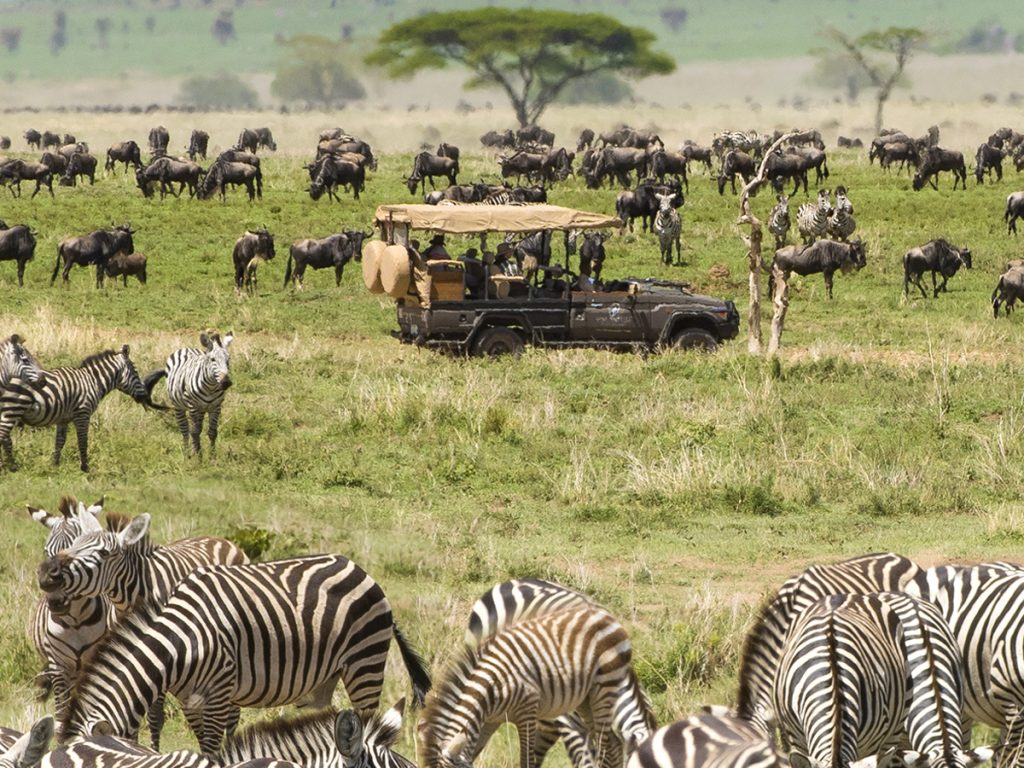
A combined Uganda and Kenya safari offers an incredible opportunity to experience two of East Africa’s most diverse destinations in one journey. Uganda is famous for gorilla trekking, chimpanzee tracking, lush forests, and spectacular wildlife, while Kenya is renowned for the Maasai Mara, the Big Five, the Great Migration, beautiful landscapes, and rich cultural experiences.
At Mandrill African Safaris, we design customized Uganda and Kenya safari packages for travelers looking for budget, mid-range, and luxury experiences. Understanding the major safari costs before you travel can help you choose the right itinerary and avoid unexpected expenses.
Uganda and Kenya Safari Cost at a Glance
The cost of a combined Uganda and Kenya safari varies considerably. As a general planning guide, travelers can expect the following approximate ranges:
- Budget safari: USD 1,500–2,500 per person
- Mid-range safari: USD 2,500–4,500 per person
- Luxury safari: USD 4,500–8,000+ per person
These are general estimates rather than fixed prices. The final cost depends on the number of travelers, number of safari days, accommodation, transportation, activities, season, and whether gorilla trekking is included.
A 10-day safari will naturally cost less than a 15- or 20-day safari, while a private luxury safari will cost more than a group or budget safari.
Why Combine Uganda and Kenya on One Safari?
Combining Uganda and Kenya allows travelers to experience different sides of East Africa.
In Uganda, visitors can explore destinations such as Bwindi Impenetrable National Park, Queen Elizabeth National Park, Kibale National Park, Murchison Falls National Park, and Lake Mburo National Park.
Kenya offers famous destinations such as Maasai Mara National Reserve, Amboseli National Park, Lake Nakuru National Park, Samburu National Reserve, and Tsavo National Parks.
A combined safari can therefore include:
- Gorilla trekking in Uganda
- Chimpanzee tracking
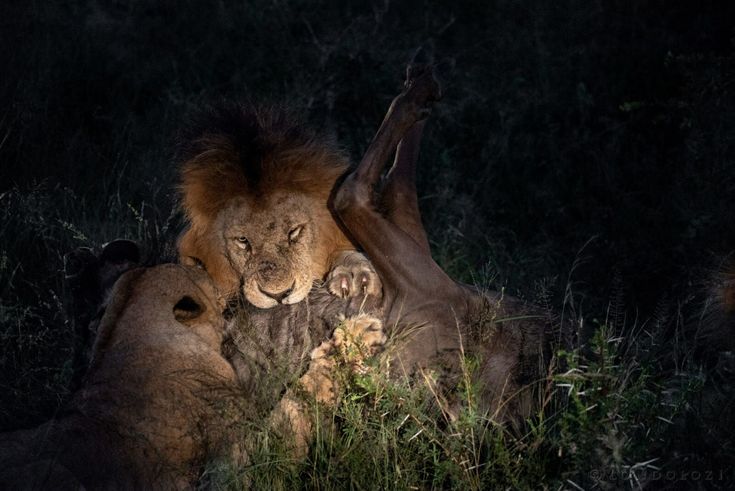
- Big Five game viewing
- Maasai Mara game drives
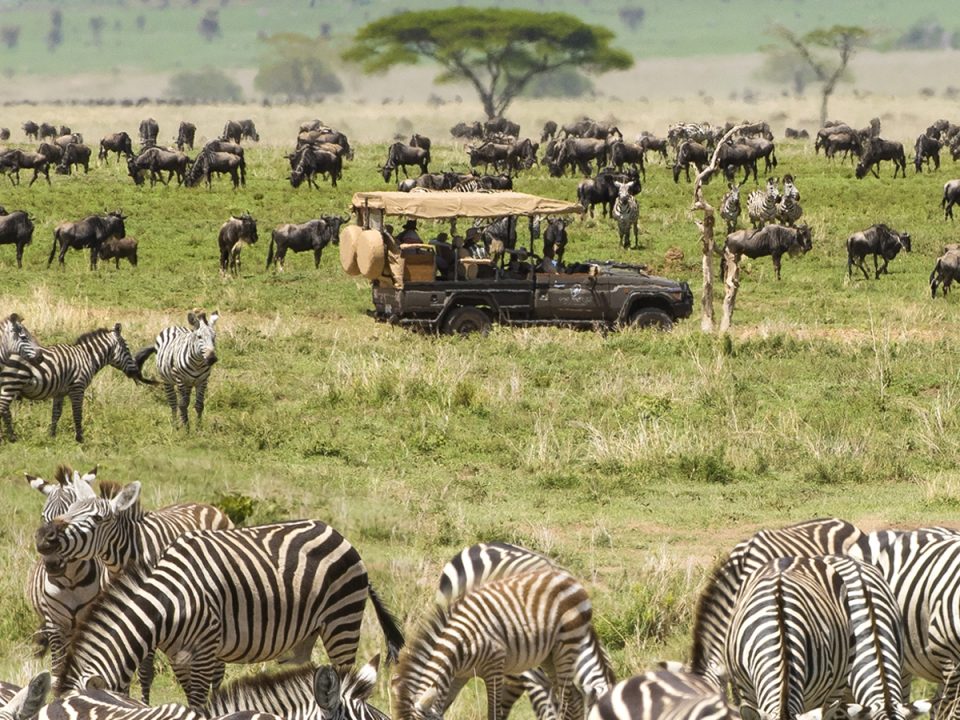
- Great Migration experiences
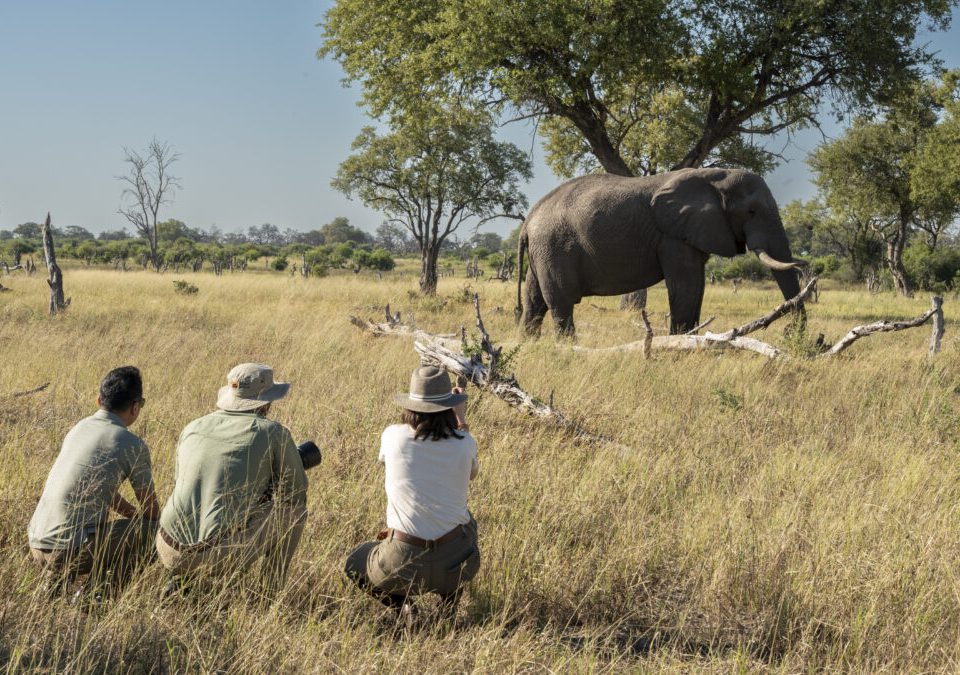
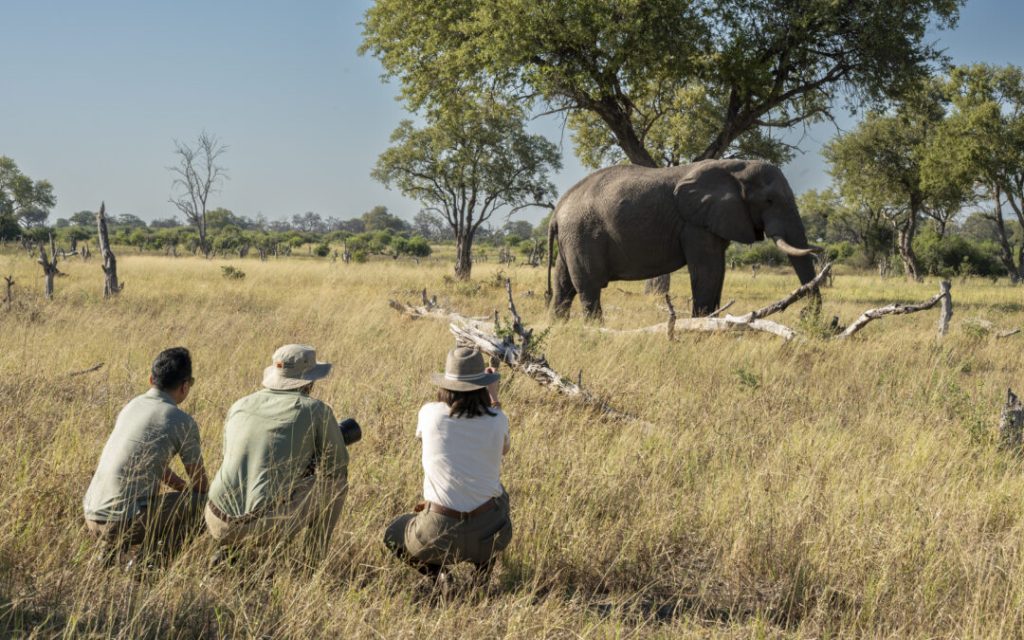
- Elephant viewing in Amboseli
- Bird watching
- Cultural experiences
- Scenic landscapes and photography
For many travelers, combining the two countries creates a more complete East African safari.
1. Gorilla Trekking Permit Cost in Uganda
One of the biggest factors affecting the cost of a Uganda and Kenya safari is gorilla trekking.
Uganda’s gorilla trekking experience takes place mainly in Bwindi Impenetrable National Park, with another gorilla population found in Mgahinga Gorilla National Park.
A gorilla trekking permit gives you the opportunity to join a guided trek into the forest to search for a habituated mountain gorilla family.
Because gorilla trekking is a premium wildlife experience, the permit can represent a significant portion of your total safari budget.
Travelers planning a combined Uganda and Kenya itinerary should therefore decide early whether gorilla trekking is part of their trip.
At Mandrill African Safaris, we recommend securing gorilla permits in advance because availability can affect your safari dates and itinerary.
2. Kenya Safari Park Fees
Kenya safari costs also depend on the parks and reserves included in your itinerary.
Popular destinations include:
Maasai Mara
The Maasai Mara is one of Kenya’s most famous safari destinations and is particularly popular for Big Five viewing and the Great Migration season.
Amboseli National Park
Amboseli is famous for large elephant herds and spectacular views of Mount Kilimanjaro.
Lake Nakuru
Lake Nakuru is known for its scenic landscapes, rhinos, birdlife, and diverse wildlife.
Samburu
Samburu offers a different safari experience with unique wildlife species and beautiful semi-arid landscapes.
Each destination adds park fees and transportation costs to the overall safari budget.
3. Accommodation Costs
Accommodation is another major factor in determining your Uganda and Kenya safari cost.
Travelers can generally choose between:
Budget Accommodation
Budget lodges, camps, and guesthouses are suitable for travelers who want to control costs while still enjoying comfortable accommodation.
Mid-Range Accommodation
Mid-range lodges and tented camps offer a balance between comfort, location, services, and price.
Luxury Accommodation
Luxury safari lodges and tented camps provide premium rooms, excellent dining, personalized services, and unique locations.
Choosing budget accommodation can significantly reduce the total price of your safari, while luxury properties can increase the cost considerably.
4. Transportation and Safari Vehicle Costs
Transportation is another important part of your safari budget.
A private safari vehicle with a professional driver-guide generally costs more than joining a group safari. However, private transportation gives you greater flexibility.
In Uganda, safari vehicles such as 4×4 Land Cruisers are commonly used for longer wildlife journeys and gorilla trekking itineraries.
For a Uganda-Kenya safari, the transportation plan must also consider the distance between destinations and border-crossing arrangements.
Your tour operator can advise whether it is more practical to use one vehicle, change vehicles at the border, or use domestic flights for particular sections of the journey.
5. Domestic and Regional Flights
Flights can either increase or reduce travel time depending on your itinerary.
For example, travelers may choose flights between major safari destinations when they want to maximize their time in national parks.
A flight may cost more than road transportation, but it can save several hours or even a full day of travel.
For travelers with limited time, combining road travel and flights can provide a good balance between cost and convenience.
6. Food and Meal Costs
Most organized safari packages include meals, especially when staying at safari lodges and tented camps.
Packages commonly include:
- Breakfast
- Lunch
- Dinner
Some accommodations provide packed lunches for full-day game drives.
When comparing safari packages, check whether meals are included because a cheaper-looking package may become more expensive if food is excluded.
7. Cost of Activities
The activities included in your itinerary also affect the final price.
A Uganda and Kenya safari may include:
- Game drives
- Gorilla trekking
- Chimpanzee tracking
- Boat cruises
- Nature walks
- Bird watching
- Cultural tours
- Maasai village visits
- Photography safaris
Optional activities can be added according to your interests and budget.
For example, a traveler interested mainly in wildlife may focus on game drives, while a primate enthusiast may spend more time in Uganda’s forests.
8. Travel Season and Safari Prices
The time of year you travel can influence safari prices.
The dry seasons are often popular because wildlife viewing conditions are favorable and roads in many parks are easier to navigate.
However, travelers visiting during less busy periods may sometimes find better accommodation rates and fewer tourists.
The Great Migration is another factor to consider when planning a Kenya safari.
Travelers who want to experience major wildlife movements in the Maasai Mara should plan carefully around the expected migration period, while remembering that wildlife movements are natural and cannot be guaranteed on exact dates.
9. Number of Travelers
The number of people in your group can significantly affect the per-person cost.
A private safari for one or two travelers will generally cost more per person than a safari shared by four, six, or more people because vehicle and guide costs are distributed among fewer travelers.
Families and groups can therefore benefit from sharing transportation and guide expenses.
At Mandrill African Safaris, we can design itineraries according to the size of your group.
10. Budget, Mid-Range or Luxury Safari?
Choosing the right safari category depends on your priorities.
Budget Uganda and Kenya Safari
A budget safari is ideal for travelers who prioritize wildlife experiences over luxury accommodation.
You may choose budget lodges, camps, shared transportation, and a carefully planned itinerary.
Mid-Range Uganda and Kenya Safari
A mid-range safari offers a comfortable balance between price and quality.
Travelers can enjoy good lodges, private or shared transportation, professional guides, and well-organized activities.
Luxury Uganda and Kenya Safari
Luxury safaris focus on premium accommodation, private vehicles, exclusive experiences, fine dining, and personalized services.
These trips are ideal for honeymooners, couples, families celebrating special occasions, photographers, and travelers seeking maximum comfort.
Example of a Uganda and Kenya Safari Budget
A typical 12-day combined safari could include:
Days 1–2: Arrival and Uganda wildlife experience
Days 3–4: Queen Elizabeth National Park
Days 5–6: Bwindi and gorilla trekking
Day 7: Transfer to Kenya
Days 8–10: Maasai Mara safari
Day 11: Lake Nakuru or another Kenyan destination
Day 12: Departure
The final price would depend on accommodation category, transportation, permits, park fees, meals, number of travelers, and optional activities.
Rather than choosing a safari solely based on the advertised price, travelers should compare what is actually included.
What Is Usually Included in a Safari Package?
A well-organized Uganda and Kenya safari package may include:
- Airport transfers
- Safari transportation
- Professional English-speaking driver-guide
- Accommodation
- Meals according to the itinerary
- National park entrance fees
- Game drives
- Boat trips where applicable
- Gorilla or chimpanzee permits where specifically included
- Bottled drinking water
- Border-crossing assistance
- Tour planning and coordination
Always ask your safari company for a detailed quotation before making a booking.
What Is Usually Excluded?
Common exclusions include:
- International flights
- Travel insurance
- Visa fees
- Personal shopping
- Alcoholic drinks
- Laundry
- Tips
- Personal expenses
- Optional activities
- Excess baggage fees
Gorilla trekking permits should also be checked carefully because they may or may not be included depending on the package quotation.
How to Save Money on a Uganda and Kenya Safari
You do not necessarily need a huge budget to enjoy East Africa.
Here are several ways to reduce costs:
Travel as a Group
Sharing the safari vehicle can reduce the per-person transportation cost.
Choose Mid-Range Lodges
Mid-range accommodation can provide excellent comfort without the price of luxury lodges.
Plan Early
Early planning gives you more accommodation choices and makes it easier to secure activities such as gorilla trekking.
Reduce Unnecessary Transfers
A well-planned itinerary avoids spending too much time and money traveling long distances unnecessarily.
Compare Inclusions
Do not compare safari companies only by their headline price. Check accommodation, park fees, meals, transport, activities, permits, and guide services.
Why Book Your Uganda and Kenya Safari with Mandrill African Safaris?
Planning a multi-country African safari can be complicated. Border crossings, park fees, accommodation, permits, transportation, and activity schedules all need to work together.
Mandrill African Safaris specializes in customized East African safari experiences and can help travelers create itineraries based on their interests, available time, and budget.
Whether you want a budget Uganda and Kenya safari, a comfortable mid-range adventure, or a luxury African safari, our team can help you plan a practical itinerary.
We can also combine gorilla trekking in Uganda with Big Five game viewing in Kenya for travelers who want a diverse East African wildlife experience.
Final Thoughts on Uganda and Kenya Safari Cost
The cost of a Uganda and Kenya safari depends on much more than the number of days you spend in Africa. Gorilla permits, park fees, accommodation, transportation, activities, season, group size, and travel style all contribute to the final price.
The best approach is to decide what experiences matter most to you and then build the itinerary around those priorities.
For travelers who want gorillas, chimpanzees, savannah wildlife, elephants, the Big Five, and the Maasai Mara in one trip, combining Uganda and Kenya can provide an unforgettable East African adventure.
Ready to plan your Uganda and Kenya safari? Contact Mandrill African Safaris for a customized safari quotation designed around your budget, travel dates, and preferred experiences.