Best East African Safari for First-Time Visitors
2026-10-01
How to Plan an Affordable Multi-Country African Safari
2026-10-02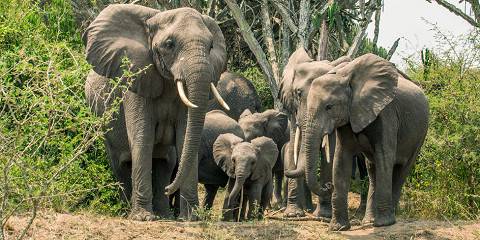
East Africa Safari Cost: A Complete Guide to Multi-Country Safaris
Planning an African safari is an exciting experience, but one of the first questions travelers ask is: How much does an East Africa safari cost? The answer depends on several factors, including the countries you visit, safari duration, accommodation level, activities, transportation, park fees, and whether you choose a private or group safari.
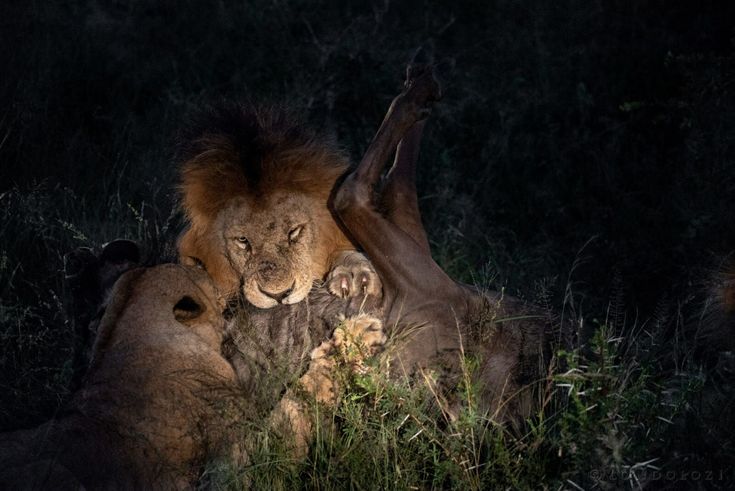
East Africa is home to some of Africa’s most spectacular wildlife destinations. Uganda, Kenya, Tanzania, and Rwanda can be combined into one unforgettable multi-country adventure featuring gorilla trekking, the Big Five, chimpanzee tracking, the Great Migration, cultural experiences, and breathtaking landscapes.
At Mandrill African Safaris, we help travelers design East African safari packages according to their budget, interests, and available travel time.
What Is the Average Cost of an East Africa Safari?
An East Africa safari can cost anywhere from about $150 to over $1,000 per person per day, depending on the style of travel.
Budget travelers can reduce costs by using budget lodges, simple tented camps, shared transportation, and carefully selected activities. Mid-range travelers can enjoy comfortable lodges and private or scheduled safari vehicles, while luxury travelers may choose high-end lodges, luxury tented camps, private flights, and exclusive experiences.
A general guide is:
- Budget safari: approximately $150–$300 per person per day
- Mid-range safari: approximately $300–$600 per person per day
- Luxury safari: approximately $600–$1,500+ per person per day
These are broad planning estimates rather than fixed prices. Actual safari costs vary according to season, itinerary, accommodation, number of travelers, activities, and destination.
Main Factors That Determine East Africa Safari Cost
Understanding what contributes to the total price makes it easier to plan your trip.
1. Number of Days
The length of your safari is one of the biggest cost factors. A 5-day East Africa safari will naturally cost less than a 10-, 14-, or 21-day multi-country safari.
Longer safaris, however, can provide better value because travelers can visit several destinations during one trip.
For example, a 14-day itinerary could combine:
Uganda + Kenya + Tanzania
with gorilla trekking in Uganda, wildlife viewing in Kenya, and the Serengeti in Tanzania.
2. Countries You Visit
Each East African country has different park fees, accommodation prices, transportation requirements, and activities.
Uganda is particularly popular for gorilla trekking, chimpanzee tracking, wildlife safaris, and birding.
Kenya is famous for the Maasai Mara, Amboseli, Samburu, Lake Nakuru, and the annual Great Migration.
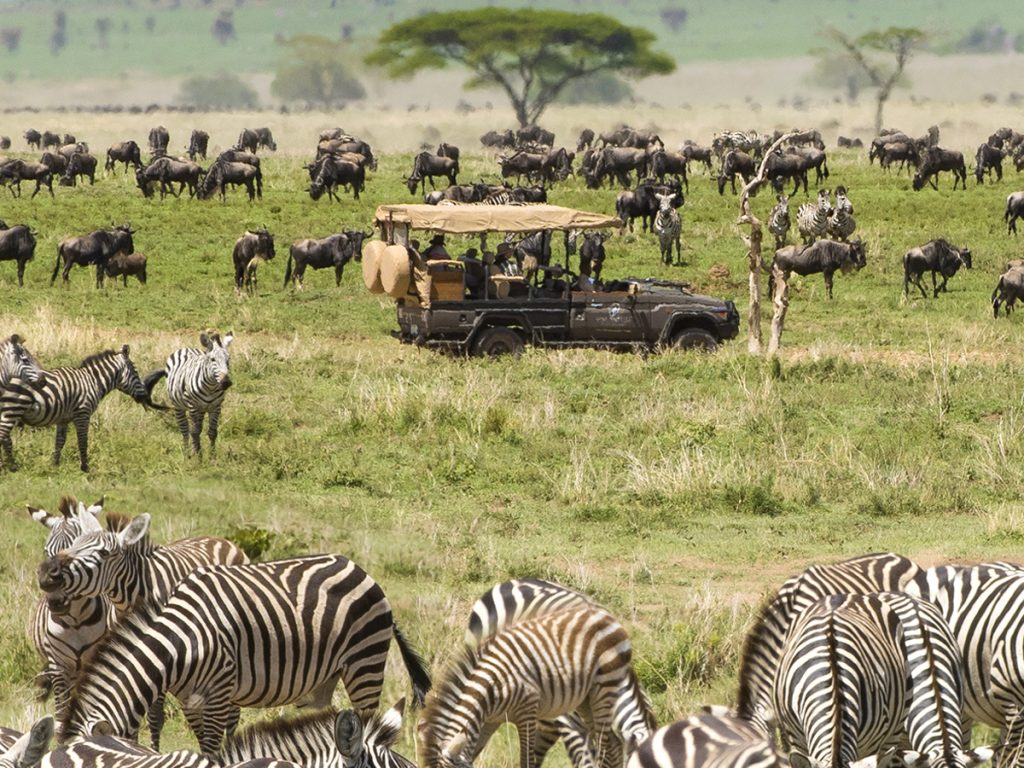
Tanzania offers the Serengeti, Ngorongoro Crater, Tarangire, Lake Manyara, and other outstanding wildlife destinations.
Rwanda is well known for Volcanoes National Park, gorilla trekking, golden monkey tracking, and scenic landscapes.
Combining several countries means additional transportation and border-crossing logistics, but it also creates a more diverse safari experience.
3. Accommodation
Accommodation is another major component of your East Africa safari cost.
Travelers can generally choose from:
- Budget hotels and lodges
- Budget tented camps
- Mid-range safari lodges
- Luxury tented camps
- Luxury safari lodges
- Exclusive private camps
Budget accommodation is suitable for travelers looking to control costs, while luxury properties provide additional services, larger rooms, premium locations, and exclusive experiences.
For multi-country safaris, mixing accommodation categories can also help control your overall budget.
4. Transportation
Transportation costs depend on the destinations and type of vehicle used.
A private 4×4 safari vehicle with a professional driver-guide provides flexibility and is particularly useful for families, couples, photographers, and private groups.
Shared safaris can reduce the cost per traveler.
Travelers covering large distances may also choose domestic flights. Although flights can increase the initial price, they can save considerable travel time.
For example, flying between major safari destinations can be useful when travelers have limited vacation time.
Uganda Safari Cost
Uganda offers a combination of wildlife, primates, mountains, forests, lakes, and cultural experiences.
Popular destinations include:
- Bwindi Impenetrable National Park
- Mgahinga Gorilla National Park
- Queen Elizabeth National Park
- Murchison Falls National Park
- Kibale National Park
- Kidepo Valley National Park
- Lake Mburo National Park
- Ziwa Rhino Sanctuary
One of Uganda’s biggest attractions is gorilla trekking.
A gorilla trekking safari usually costs more than a conventional wildlife safari because the gorilla permit is a significant part of the trip cost. Accommodation, transportation, meals, park fees, guiding, and other activities also contribute to the final price.
Uganda is therefore particularly attractive for travelers who want to combine gorilla trekking and wildlife safari experiences.
Kenya Safari Cost
Kenya is one of Africa’s most established safari destinations.
The most popular parks and reserves include:
- Maasai Mara National Reserve
- Amboseli National Park
- Lake Nakuru National Park
- Samburu National Reserve
- Tsavo National Parks
- Lake Naivasha
A Kenya safari can range from budget camping adventures to high-end luxury experiences.
The Maasai Mara safari cost is influenced by accommodation, season, transportation, park or conservancy fees, and activities.
Traveling during peak periods can be more expensive, particularly when demand for accommodation is high.
Kenya can also be combined with Tanzania for travelers interested in the Great Migration safari.
Tanzania Safari Cost
Tanzania is one of the most sought-after safari destinations in East Africa.
The northern safari circuit commonly includes:
- Serengeti National Park
- Ngorongoro Conservation Area
- Tarangire National Park
- Lake Manyara National Park
The Serengeti safari cost depends on the length of stay, accommodation, season, transportation, and activities.
Luxury camps in prime wildlife areas can significantly increase the price, while budget camping offers a more affordable alternative.
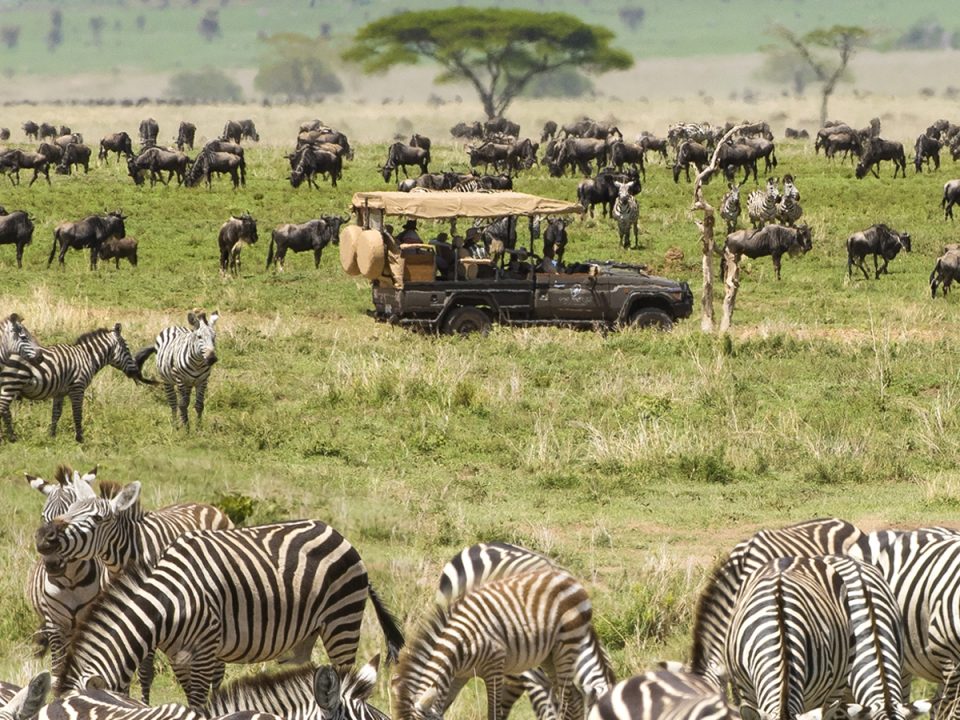
Travelers interested in the Great Migration should also consider the time of year and the specific area of the Serengeti they want to visit.
Rwanda Safari Cost
Rwanda is a compact destination that works particularly well for short wildlife and primate holidays.
The country’s most famous safari experience is gorilla trekking in Volcanoes National Park.
Other attractions include:
- Golden monkey tracking
- Nyungwe Forest
- Akagera National Park
- Kigali city tours
- Cultural experiences
Rwanda’s gorilla trekking experience can be combined with Uganda or Kenya and Tanzania to create a broader East African itinerary.
How Much Does a Multi-Country East Africa Safari Cost?
A multi-country safari generally costs more than visiting one destination because of additional transportation, border crossings, accommodation, activities, and logistical arrangements.
However, multi-country travel provides considerably more variety.
For example, a 10-day Uganda and Kenya safari could combine gorilla trekking in Uganda with wildlife viewing in Kenya.
A 12- to 15-day Uganda, Kenya, and Tanzania safari could include:
- Gorilla trekking in Uganda
- Wildlife viewing in Queen Elizabeth National Park
- Maasai Mara safari
- Serengeti National Park
- Ngorongoro Crater
The total cost depends heavily on accommodation category, number of travelers, domestic flights, safari vehicle arrangements, and activities.
Sample East Africa Safari Budget
A typical multi-country itinerary might look like this:
7-Day Uganda Safari
A 7-day Uganda itinerary could include:
- Kampala or Entebbe
- Murchison Falls National Park
- Kibale National Park
- Queen Elizabeth National Park
- Bwindi Impenetrable National Park
A budget traveler may choose simple lodges and shared arrangements, while a private mid-range traveler could select comfortable safari lodges and a private 4×4 vehicle.
10-Day Uganda and Kenya Safari
A 10-day itinerary could combine:
Uganda: Gorilla trekking and wildlife
Kenya: Maasai Mara wildlife safari
This itinerary is suitable for travelers who want both primates and classic savannah wildlife.
14-Day Uganda, Kenya and Tanzania Safari
For travelers with more time, a 14-day itinerary can combine:
- Uganda gorilla trekking
- Queen Elizabeth National Park
- Kenya’s Maasai Mara
- Tanzania’s Serengeti
- Ngorongoro Crater
This is an excellent way to experience different ecosystems and wildlife regions within one holiday.
What Is Usually Included in an East Africa Safari Package?
When comparing safari prices, travelers should look beyond the headline price.
A safari package may include:
- Airport transfers
- Accommodation
- Meals according to the itinerary
- Professional driver-guide
- 4×4 safari vehicle
- Fuel
- Game drives
- Park entrance fees
- Selected activities
- Bottled drinking water
- Gorilla or chimpanzee permits where applicable
- Government taxes
However, inclusions differ between operators.
What Is Usually Excluded?
Common exclusions may include:
- International flights
- Visa fees
- Travel insurance
- Personal shopping
- Alcoholic drinks
- Laundry
- Tips
- Optional activities
- Personal expenses
- Additional accommodation outside the itinerary
Always request a detailed quotation before booking so you understand exactly what is included.
How to Reduce Your East Africa Safari Cost
You do not necessarily need a luxury budget to enjoy East Africa.
Here are several ways to reduce your safari expenses.
Travel During Shoulder or Low Season
Some accommodation providers offer lower rates outside peak travel periods. Wildlife experiences can still be excellent, although weather and animal movements vary by destination.
Travel as a Group
The cost of a private vehicle and guide can be shared among several travelers, reducing the cost per person.
Choose Mid-Range Accommodation
Mid-range lodges often provide an excellent balance between comfort and price.
Limit Domestic Flights
Using road transportation where practical can reduce costs, although longer journeys should be balanced against your available vacation time.
Combine Nearby Destinations
A well-planned route can reduce unnecessary driving and transport expenses.
Book Early
Early planning can make it easier to secure preferred accommodation and permits, especially for gorilla trekking and peak safari seasons.
Best Time for an East Africa Safari
East Africa can be visited throughout much of the year, but the best period depends on your interests.
For classic wildlife viewing, many travelers prefer the drier months because animals are often easier to spot around water sources.
For gorilla trekking, Uganda and Rwanda can be visited throughout the year, although weather conditions vary.
Travelers interested in the Great Migration should plan according to the migration’s seasonal movements rather than relying on one fixed month.
Why Choose Mandrill African Safaris?
Planning a multi-country safari involves more than booking accommodation. Routes need to be coordinated, permits secured, transportation arranged, and border-crossing logistics considered.
Mandrill African Safaris specializes in customized East African safari experiences covering Uganda, Kenya, Tanzania, Rwanda, and other destinations in the region.
Our safari planning can be customized around:
- Budget
- Travel dates
- Number of travelers
- Wildlife interests
- Gorilla trekking
- Chimpanzee tracking
- Birding
- Cultural experiences
- Honeymoon travel
- Family holidays
- Luxury travel
- Budget safaris
Whether you want a short Uganda gorilla safari, a Kenya and Tanzania wildlife adventure, or an extended Uganda-Kenya-Tanzania safari, a carefully planned itinerary can help you make the most of your time and budget.
Final Thoughts: Planning Your East Africa Safari Budget
The cost of an East Africa safari depends on your destination, travel duration, accommodation, transportation, activities, season, and travel style. There is no single price that fits every traveler.
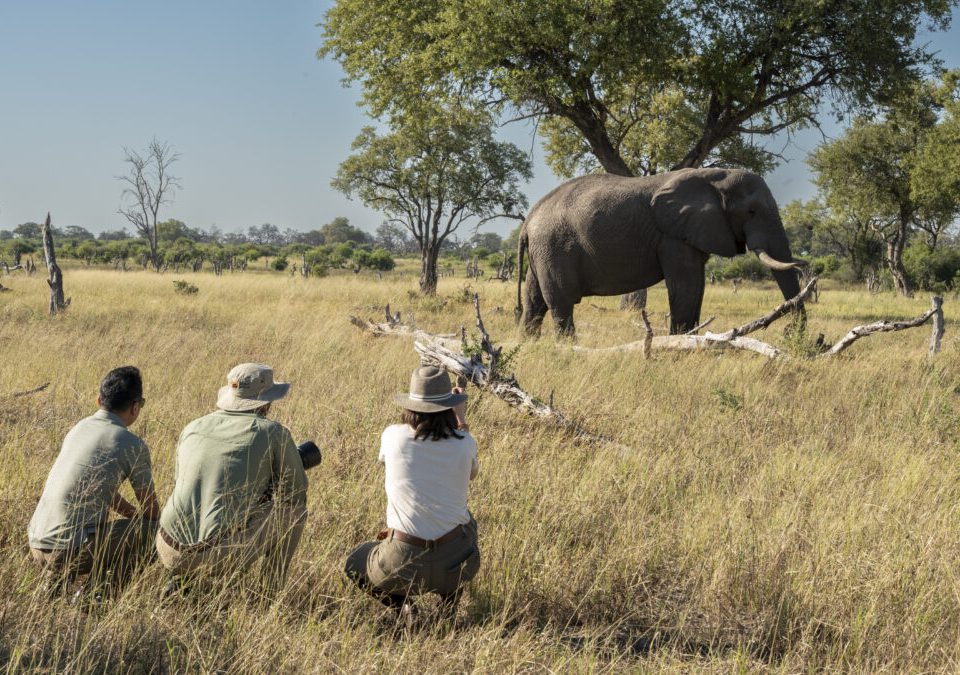
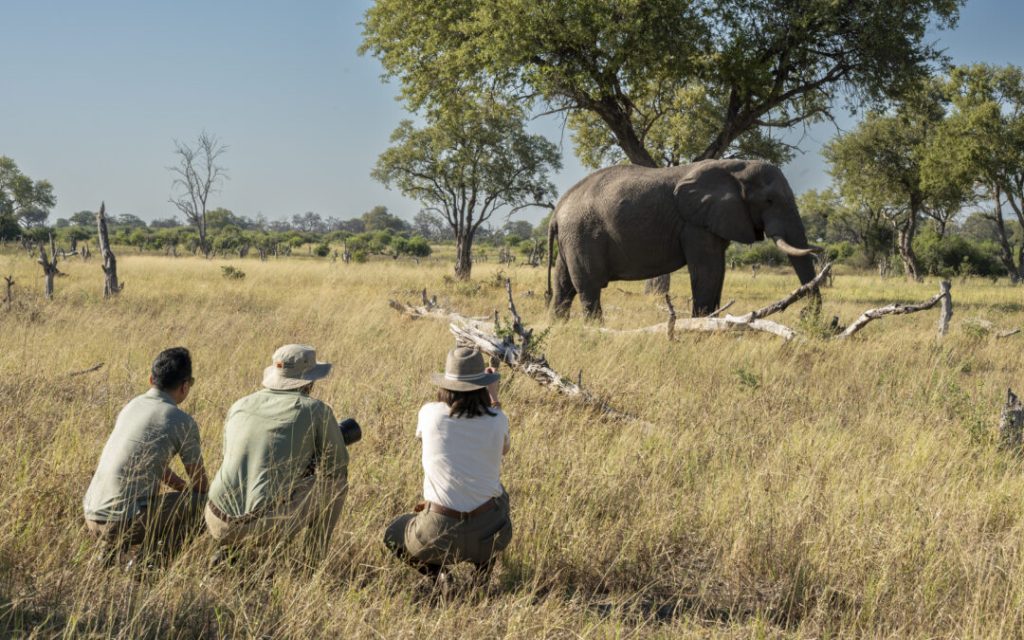
The advantage of a multi-country safari is the opportunity to experience several sides of East Africa in one journey. You can track mountain gorillas in Uganda, watch elephants beneath Mount Kilimanjaro in Kenya, experience the Serengeti in Tanzania, or combine wildlife with cultural experiences across the region.
The key is to establish your budget and priorities before building the itinerary.
Ready to plan your East Africa safari? Contact Mandrill African Safaris for a customized Uganda, Kenya, Tanzania, or Rwanda safari package designed around your interests, travel dates, and budget.