Top Things to Do on a Uganda and Rwanda Combined Safari
2026-09-30
Best East African Safari for First-Time Visitors
2026-10-01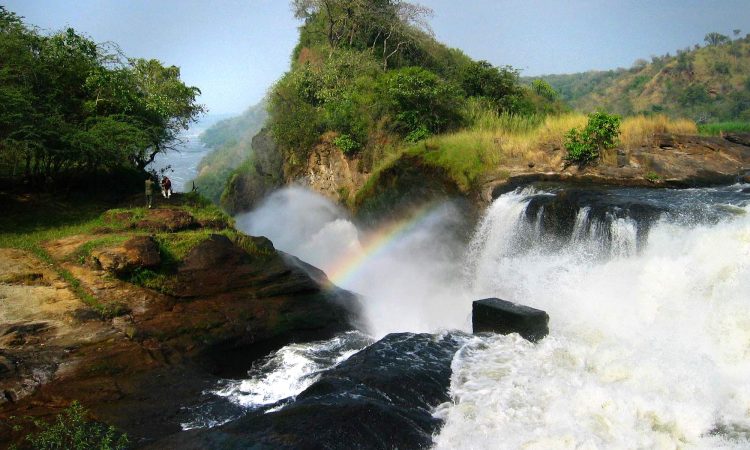
Uganda and Kenya Safari: From Mountain Gorillas to the Maasai Mara
Uganda and Kenya offer one of the most exciting safari combinations in East Africa. A Uganda and Kenya safari allows travelers to experience two very different sides of Africa in one unforgettable journey—from trekking through the misty forests of Bwindi Impenetrable National Park in search of endangered mountain gorillas to watching lions, elephants, cheetahs, and the Great Migration in Kenya’s legendary Maasai Mara.

For travelers looking for a combination of gorilla trekking, African wildlife, cultural experiences, scenic landscapes, and classic game drives, combining Uganda and Kenya is an excellent way to explore East Africa.
Mandrill African Safaris can help travelers plan a customized Uganda and Kenya safari based on travel dates, budget, interests, and preferred accommodation.
Why Combine Uganda and Kenya on One Safari?
Uganda and Kenya complement each other exceptionally well. Uganda is famous for its mountain gorilla trekking, chimpanzee tracking, lush forests, lakes, rivers, and diverse wildlife, while Kenya is renowned for its expansive savannahs, iconic wildlife, cultural experiences, and the Maasai Mara.
A combined itinerary gives travelers the opportunity to experience:
- Mountain gorilla trekking in Uganda
- Wildlife safaris in Uganda
- Chimpanzee trekking
- Boat safaris
- The Big Five
- Maasai cultural experiences
- Game drives in Kenya
- The Great Migration, season permitting
- Bird watching
- Beautiful African landscapes
- East African culture and hospitality
Instead of choosing between a gorilla safari and a traditional wildlife safari, travelers can combine both experiences into one carefully planned East African adventure.
Mountain Gorilla Trekking in Uganda
One of the biggest attractions of a Uganda safari is the opportunity to trek mountain gorillas in their natural habitat.
Uganda is home to mountain gorillas in Bwindi Impenetrable National Park and Mgahinga Gorilla National Park. Bwindi is particularly well known for its gorilla trekking experiences, with several trekking sectors offering visitors opportunities to encounter habituated gorilla families.
Gorilla trekking begins early in the morning after a briefing from Uganda Wildlife Authority rangers and guides. Travelers then enter the forest and hike through dense vegetation, hills, and sometimes muddy trails.
The duration of a gorilla trek varies depending on the location of the gorilla family being visited. The experience can involve several hours of walking, making physical preparation important.
When the gorillas are located, visitors spend a regulated period observing them, taking photographs, and learning about their behavior from experienced guides and trackers.
For many travelers, seeing a mountain gorilla family at close range is one of the most memorable experiences of an African safari.
Bwindi Impenetrable National Park

The forest also supports numerous bird, primate, and plant species, making it more than simply a gorilla trekking destination.
A Bwindi gorilla safari can be combined with other Ugandan destinations before travelers continue to Kenya.
Popular combinations include:
Kampala/Entebbe → Kibale → Queen Elizabeth → Bwindi → Kenya → Maasai Mara
This route provides an excellent mixture of primates, wildlife, gorillas, landscapes, and savannah experiences.
Wildlife Safari in Uganda
Before or after gorilla trekking, travelers can explore some of Uganda’s renowned national parks.
Queen Elizabeth National Park
Queen Elizabeth National Park is one of Uganda’s most popular wildlife destinations. It is known for elephants, buffaloes, lions, leopards, hippos, Uganda kobs, warthogs, and numerous bird species.

A boat cruise along the Kazinga Channel is another highlight. The channel connects Lake Edward and Lake George and attracts large numbers of hippos, crocodiles, elephants, buffaloes, and water birds.
The Ishasha sector in the southern part of Queen Elizabeth National Park is also known for its famous tree-climbing lions.
Kibale National Park
Kibale is particularly famous for chimpanzee trekking. The forest supports one of Africa’s important populations of chimpanzees and offers excellent opportunities to encounter other primates.
Travelers interested in combining gorilla and chimpanzee trekking in Uganda can include Kibale before proceeding to Bwindi.
Murchison Falls National Park
For longer Uganda and Kenya itineraries, Murchison Falls National Park can be added to the route.
The park offers classic savannah game drives and boat cruises along the Victoria Nile. Wildlife commonly encountered includes elephants, giraffes, buffaloes, lions, hippos, crocodiles, and numerous antelope species.
The dramatic Murchison Falls, where the Nile is forced through a narrow gorge, is another major attraction.
From Uganda to Kenya
After exploring Uganda, travelers can continue to Kenya by road or air depending on the itinerary, budget, and available time.
A road-based itinerary can provide opportunities to experience more of the East African countryside, while flying between destinations can reduce travel time and provide more time for game drives.
For travelers with limited time, flying from Uganda to Kenya can be particularly convenient when the main objective is to combine Uganda gorilla trekking with a Kenya safari.
The final itinerary should take into account border requirements, flight schedules, travel time, park fees, accommodation availability, and gorilla permit availability.
Experience the Maasai Mara

Its open grasslands provide excellent opportunities for wildlife viewing, particularly during the dry seasons when animals are easier to spot.
A Maasai Mara safari may offer sightings of:
- Lions
- Leopards
- Cheetahs
- Elephants
- Buffaloes
- Giraffes
- Zebras
- Wildebeest
- Hippos
- Crocodiles
- Hyenas
- Various antelope species
The Mara’s abundant wildlife and open landscapes make it ideal for traditional game drives.
The Great Migration in the Maasai Mara
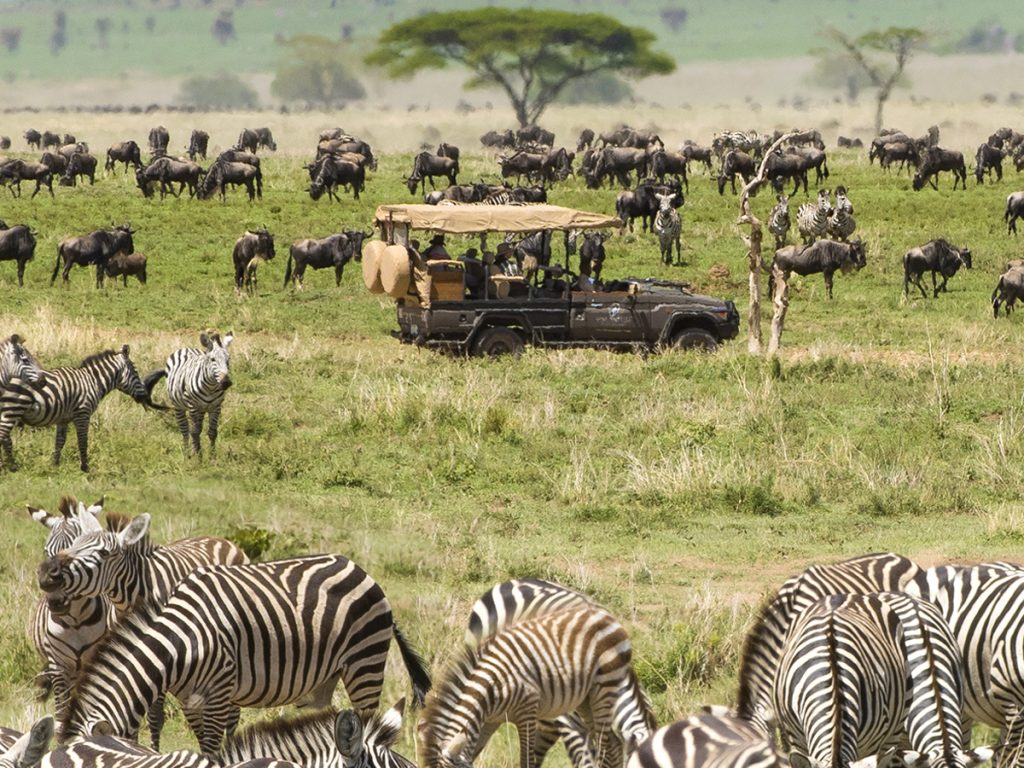
For many travelers, the Great Migration safari in Kenya is one of the main reasons to visit the Maasai Mara.
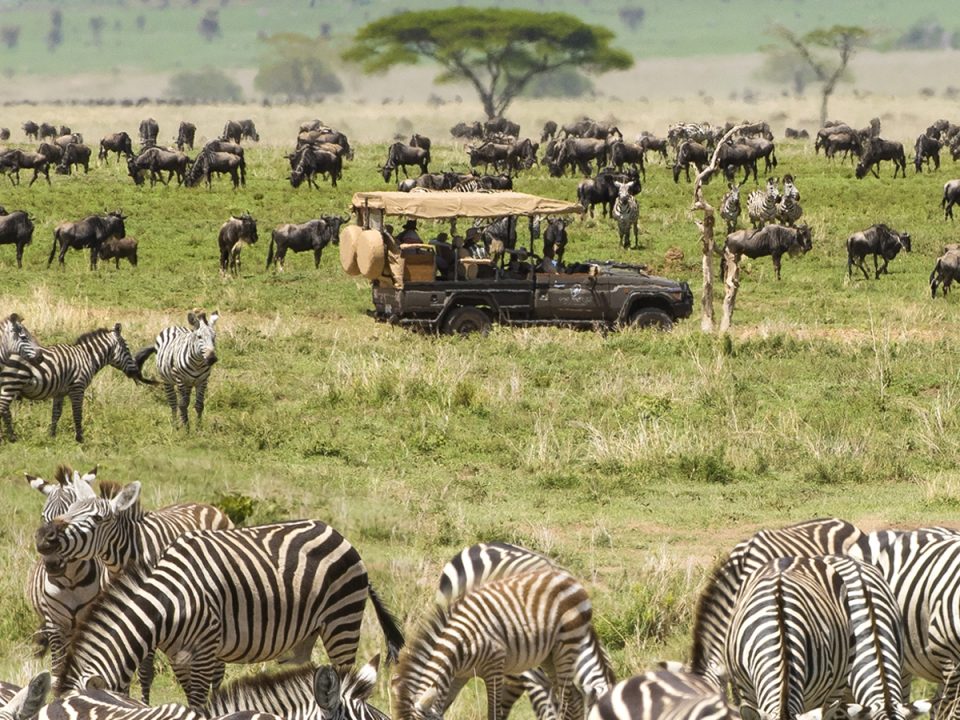
Every year, large numbers of wildebeest and other grazing animals move through the greater Serengeti-Mara ecosystem in search of fresh grazing and water.
The timing and location of wildlife movements vary from year to year because they are influenced by rainfall and environmental conditions.
During the period when migrating herds are in the Maasai Mara, visitors may witness large concentrations of wildebeest and zebras and, under suitable conditions, dramatic river crossings.
However, travelers should understand that wildlife is unpredictable. A safari operator cannot guarantee a specific animal sighting or river crossing on a particular day.
Meet the Maasai People
A Uganda and Kenya safari can also include cultural experiences.
The Maasai are one of East Africa’s best-known pastoralist communities, with a rich cultural heritage associated with traditional livestock keeping, distinctive clothing, music, dance, and community traditions.
A visit to a Maasai community can provide an opportunity to learn about traditional lifestyles, crafts, social structures, and cultural heritage.
Responsible cultural tourism should prioritize respectful interaction and ensure that communities benefit from tourism activities.
Uganda Gorilla Trekking and Kenya Wildlife Safari: How Long Do You Need?
The ideal duration depends on how many destinations travelers want to include.
7 Days
A 7-day itinerary can focus on the main highlights:
Uganda gorilla trekking + Kenya Maasai Mara safari
This is suitable for travelers with limited time.
10 Days
A 10-day Uganda Kenya safari can allow travelers to include gorilla trekking, another Ugandan wildlife destination, and several days in Kenya.
12–14 Days
A longer itinerary can include:
Kibale → Queen Elizabeth → Bwindi → Maasai Mara
This provides a more comprehensive combination of chimpanzees, wildlife, gorillas, and Kenyan savannah.
15 Days or More
Travelers with additional time can explore more of Uganda before continuing to Kenya. Murchison Falls, Kibale, Queen Elizabeth, and Bwindi can be combined before the Kenya section.
Best Time for a Uganda and Kenya Safari
Uganda and Kenya can be visited throughout the year, although weather conditions can influence trekking and wildlife viewing.
For gorilla trekking, the forest can be visited year-round. Rainfall is possible at any time because Bwindi is a rainforest.
For Kenya wildlife safaris, the dry periods are generally popular because animals often congregate around available water sources and vegetation is shorter.
Travelers interested in the Great Migration in the Maasai Mara should plan around the expected annual migration cycle. However, migration dates are not fixed, and weather conditions influence animal movements.
Because of this, travelers should plan their itinerary around both their interests and realistic wildlife expectations rather than relying on an exact migration date.
Gorilla Permit and Safari Planning
Gorilla trekking requires advance planning because permits are limited.
Travelers should secure their gorilla permits before finalizing accommodation and transportation arrangements. The trekking sector also matters because it determines where travelers will begin their gorilla experience and where they should stay.
A professional safari company can coordinate:
- Gorilla permits
- Park permits
- Accommodation
- Safari vehicles
- Professional driver-guides
- Airport transfers
- Domestic and regional flights
- Game drives
- Boat cruises
- Cultural experiences
- Border arrangements
- Travel logistics
Planning early is particularly important during high-demand travel periods.
What to Pack for a Uganda and Kenya Safari
A practical packing list should include:
- Lightweight long-sleeved shirts
- Comfortable trousers
- Waterproof hiking shoes
- Lightweight rain jacket
- Warm fleece or sweater
- Hat and sunglasses
- Insect repellent
- Sunscreen
- Reusable water bottle
- Binoculars
- Camera and extra batteries
- Small backpack
- Personal toiletries
- Necessary travel documents
For gorilla trekking, waterproof hiking boots and comfortable clothing are especially useful because forest trails can be wet, muddy, and steep.
Why Choose Mandrill African Safaris?
Planning a multi-country safari requires coordination between different parks, accommodation providers, transport arrangements, and activities.
Mandrill African Safaris specializes in tailor-made East African safari experiences, including Uganda gorilla trekking, Uganda wildlife safaris, Kenya safaris, and combined Uganda–Kenya itineraries.
Our team can customize your trip according to:
- Your travel dates
- Number of travelers
- Budget
- Accommodation preference
- Gorilla trekking interests
- Wildlife interests
- Cultural experiences
- Preferred transportation
- Number of safari days
Whether you want a budget Uganda and Kenya safari, mid-range adventure, or luxury African safari, the itinerary can be designed around your priorities.
Conclusion: From Mountain Gorillas to the Maasai Mara
A Uganda and Kenya safari brings together two remarkable East African experiences. In Uganda, travelers can walk through ancient rainforest in search of mountain gorillas, explore chimpanzee forests, cruise along wildlife-rich channels, and discover diverse landscapes.
In Kenya, the adventure continues across the open plains of the Maasai Mara, where lions, elephants, cheetahs, buffaloes, giraffes, zebras, and wildebeest create the classic African safari experience.
From the green mountains of southwestern Uganda to the endless savannahs of Kenya, this combination offers travelers an opportunity to experience gorilla trekking and the Maasai Mara on one East African safari.
Ready to combine Uganda gorilla trekking with a Kenya wildlife safari? Contact Mandrill African Safaris to create a customized itinerary for your East African adventure.