Uganda-Kenya-Tanzania Safari Cost: Complete Planning Guide
2026-09-28
7-Day Uganda Primate & Big Game Tour: Gorillas, Chimpanzees and Big Game Safari
2026-09-29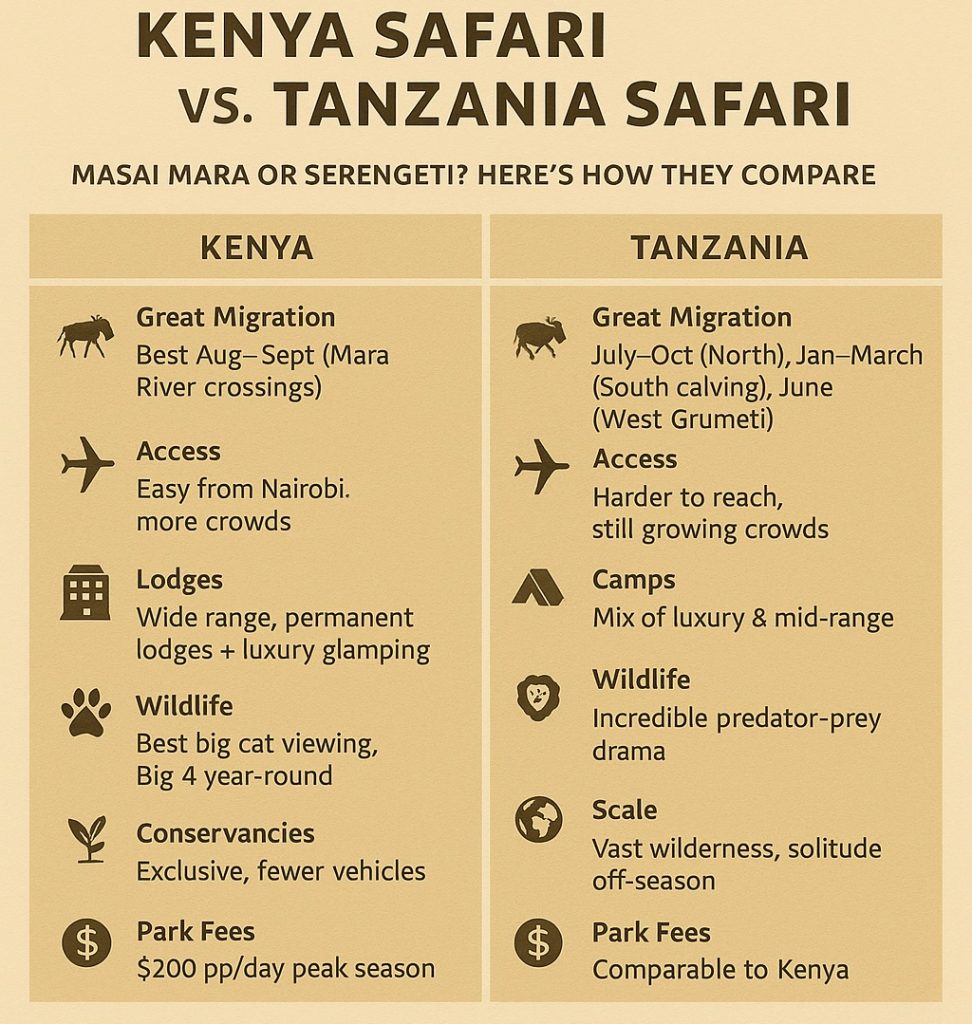
How to Plan the Perfect Kenya and Tanzania Safari
A Kenya and Tanzania safari is one of the most rewarding ways to experience East Africa’s incredible wildlife, landscapes, cultures, and natural wonders. From the legendary Maasai Mara in Kenya to Tanzania’s Serengeti National Park, Ngorongoro Crater, and Tarangire National Park, combining these two countries creates an unforgettable African adventure.
Planning the perfect Kenya and Tanzania safari requires more than simply choosing national parks. Travelers need to consider the best time to visit, safari duration, wildlife experiences, accommodation, transportation, border crossings, activities, budget, and the type of safari that best matches their interests.
At Mandrill African Safaris, we help travelers design personalized East African safari experiences based on their budget, travel dates, interests, and preferred accommodation style. Here is a practical guide to planning your ideal Kenya and Tanzania safari.
Why Combine Kenya and Tanzania on One Safari?
Kenya and Tanzania are among Africa’s most famous safari destinations, and visiting both countries allows travelers to experience different ecosystems and wildlife environments during one trip.
Kenya is well known for the Maasai Mara National Reserve, Amboseli National Park, Lake Nakuru, Tsavo East, and Tsavo West. Tanzania offers the Serengeti, Ngorongoro Conservation Area, Tarangire, Lake Manyara, and other spectacular wildlife destinations.
Combining the two countries gives you opportunities to experience:
- The Great Migration
- Big Five wildlife viewing
- Maasai cultural experiences
- Serengeti game drives
- Ngorongoro Crater safaris
- Amboseli elephants with Mount Kilimanjaro views
- Bird watching
- Scenic landscapes
- Luxury, mid-range, and budget safari experiences
A combined itinerary can also provide a more diverse East African safari experience than visiting only one country.
Choose the Best Time for Your Kenya and Tanzania Safari
The timing of your safari can significantly influence your wildlife experiences, weather, accommodation availability, and prices.
June to October
This period is generally considered one of the most popular times for a Kenya Tanzania safari. The weather is often relatively dry, making it suitable for game drives and wildlife viewing.

In Kenya, the Maasai Mara can be particularly exciting during the migration season. In Tanzania, the Serengeti also provides excellent wildlife viewing.
However, popular destinations can become busy during peak travel periods, so booking accommodation and permits early is recommended.
November to March
This period can be excellent for travelers interested in wildlife, birding, and calving-season experiences.
The Serengeti’s southern plains can attract large concentrations of wildebeest during the calving season, depending on rainfall patterns.
This season can also offer greener landscapes and excellent photographic opportunities.
April to May
The long rains can make some safari routes quieter, and some properties offer lower rates. Travelers who do not mind occasional rain can enjoy fewer crowds and beautiful green landscapes.
When planning your trip, remember that weather patterns vary from year to year.
Decide How Many Days You Need
The ideal duration depends on your interests and budget.
For a combined Kenya and Tanzania safari, consider spending at least 8–10 days if you want to visit several major destinations.
A 10–14-day safari provides more flexibility and allows you to explore both countries without rushing.
A sample 12-day itinerary could include:
Days 1–2: Nairobi and Amboseli
Days 3–4: Amboseli to Lake Naivasha or Lake Nakuru
Days 5–6: Maasai Mara
Day 7: Travel toward Tanzania
Days 8–9: Serengeti National Park
Day 10: Ngorongoro Crater
Days 11–12: Tarangire and departure
The itinerary can be adjusted according to flight schedules, border arrangements, wildlife interests, and accommodation preferences.
Choose the Right Safari Destinations
Not every traveler needs to visit every national park. Choosing destinations according to your interests can make the safari more enjoyable.
Maasai Mara National Reserve
The Maasai Mara is one of Kenya’s most famous wildlife destinations. It is known for lions, elephants, buffaloes, leopards, cheetahs, giraffes, zebras, wildebeest, and numerous other species.
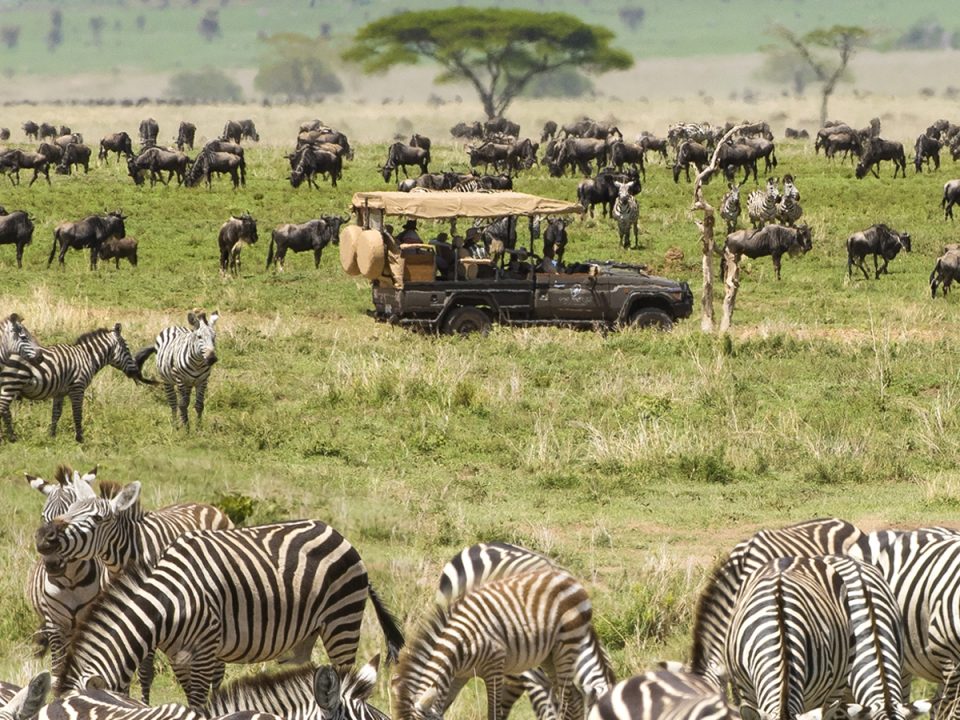
The reserve is also closely associated with the Great Wildebeest Migration, although wildlife movements depend on rainfall and ecological conditions.
Amboseli National Park
Amboseli is famous for large elephant herds and spectacular views of Mount Kilimanjaro across the border in Tanzania.
It is an excellent destination for photographers and travelers interested in elephants and dramatic landscapes.
Lake Nakuru
Lake Nakuru can be included for wildlife viewing and bird watching. The surrounding ecosystem supports species such as rhinos, buffaloes, giraffes, lions, and numerous bird species.
Serengeti National Park
The Serengeti is one of Tanzania’s most iconic safari destinations.
It offers extensive plains and excellent opportunities for viewing lions, cheetahs, leopards, elephants, giraffes, zebras, wildebeest, and many other animals.
For many travelers, the Serengeti safari is the highlight of a Kenya and Tanzania itinerary.
Ngorongoro Crater
The Ngorongoro Crater offers an extraordinary wildlife experience within a spectacular volcanic landscape.
The crater floor supports a wide range of wildlife and is particularly attractive for travelers who want to combine scenery with game viewing.
Tarangire National Park
Tarangire is particularly famous for elephants, baobab trees, and diverse wildlife.
It can be an excellent addition to a northern Tanzania safari, especially when combined with Serengeti and Ngorongoro.
Decide Between Budget, Mid-Range and Luxury Safari
Your accommodation choice will have a major effect on the total cost of your safari.
Budget Safari
Budget travelers can choose simple campsites, budget lodges, and affordable tented camps.
Camping can reduce accommodation expenses while keeping you close to nature.
Mid-Range Safari
Mid-range lodges and tented camps provide a balance between comfort and cost. They are popular with couples, families, and first-time safari travelers.
Luxury Safari
Luxury safari packages can include high-end lodges, private camps, premium tented suites, private vehicles, and personalized services.
The best option depends on your budget and the type of experience you want rather than simply choosing the most expensive accommodation.
Choose Between Private and Group Safaris
Another important decision is whether to take a private or group safari.
A private Kenya and Tanzania safari gives you greater flexibility. You can usually customize the itinerary, spend more time at wildlife sightings, and select accommodation according to your preferences.
Group safaris can be more affordable and provide opportunities to meet other travelers.
Families, honeymooners, photographers, and travelers with specific interests may prefer private safari arrangements.
Plan Your Transportation Carefully
Transportation is an important part of a multi-country safari.
Many itineraries use safari vehicles for overland travel, while some travelers combine road transportation with domestic flights.
The choice depends on:
- Safari duration
- Budget
- Destinations
- Border arrangements
- Road conditions
- Comfort preferences
- Available domestic flights
A well-designed itinerary should avoid unnecessary long drives where possible.
Understand the Kenya–Tanzania Border Crossing
Traveling between Kenya and Tanzania requires proper planning because immigration and border procedures apply.
One commonly used route for safari travelers is through the Namanga border crossing, connecting the Kenya and Tanzania safari circuits.
Your safari operator should help coordinate the appropriate transportation and border arrangements based on your itinerary.
Travelers should also ensure that passports, visas, entry requirements, and other travel documents are valid before departure.
Because entry regulations can change, check current official requirements before traveling.
Plan Around the Great Migration
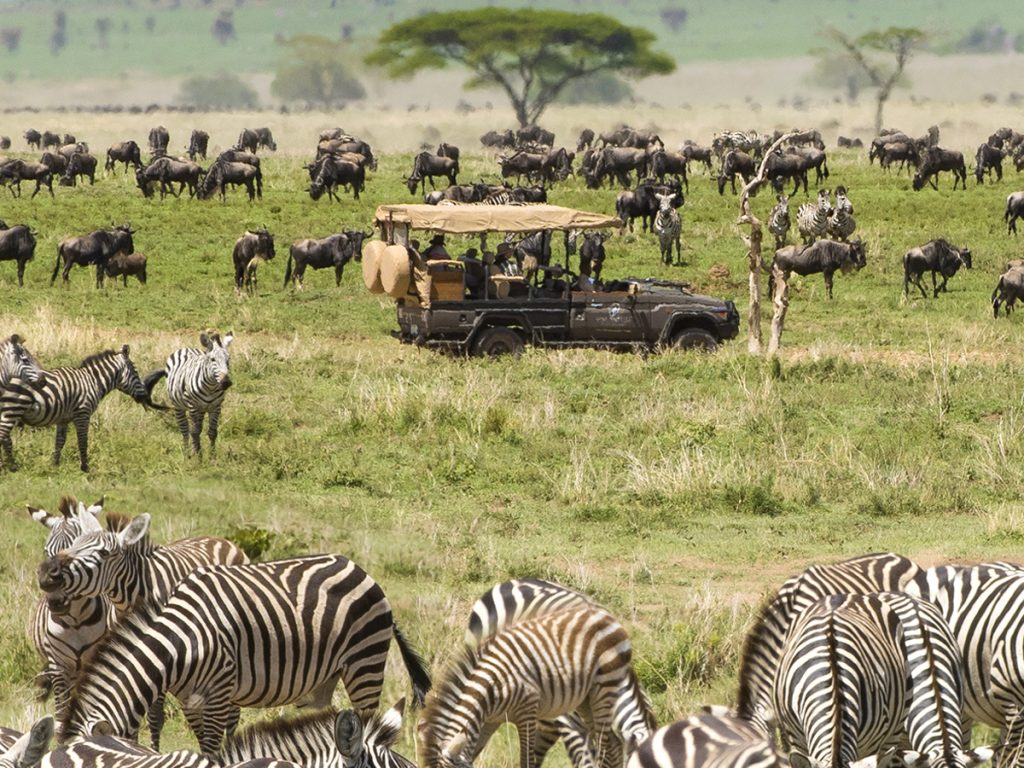
For many travelers, the Great Migration is one of the main reasons for combining Kenya and Tanzania.
The migration involves large movements of wildebeest, zebras, and other herbivores across the Serengeti-Mara ecosystem.
However, the animals do not follow an exact calendar. Their movements are influenced by rainfall, food availability, and ecological conditions.
Rather than guaranteeing a specific sighting, your itinerary should be planned around the general seasonal patterns and allow flexibility.
If migration is your primary interest, discuss your travel dates with an experienced safari operator before booking.
Include Cultural Experiences
A Kenya and Tanzania safari does not have to focus exclusively on wildlife.
Travelers can include cultural experiences with local communities, including Maasai cultural visits where appropriate.
Cultural tourism can provide opportunities to learn about traditional lifestyles, crafts, music, food, history, and community conservation initiatives.
Responsible cultural experiences should prioritize respectful interaction and support local communities.
Consider a Safari for Families
Kenya and Tanzania can be excellent destinations for family travel when the itinerary is designed appropriately.
Families should consider:
- Shorter driving periods
- Comfortable accommodation
- Family-friendly lodges
- Appropriate meal arrangements
- Private safari vehicles
- Child-friendly activities
- Sufficient rest between game drives
A private safari can provide greater flexibility for families because daily schedules can be adapted to their needs.
Plan Your Safari Budget
The cost of a Kenya and Tanzania safari depends on several factors.
Major cost components include:
- Accommodation
- Safari vehicle
- Professional driver-guide
- Park entrance fees
- Meals
- Domestic flights
- Border transfers
- Airport transfers
- Activities
- Travel insurance
- Visa costs
- Tips and personal expenses
Luxury safaris generally cost more than budget or mid-range trips.
Instead of choosing a safari solely based on the lowest price, compare what is included in each package. A cheaper package may exclude important services that increase the final cost.
Pack Properly for Your Safari
Good preparation makes your safari more comfortable.
Recommended items include:
- Lightweight clothing
- Comfortable walking shoes
- Sun hat
- Sunglasses
- Sunscreen
- Insect repellent
- Binoculars
- Camera and spare batteries
- Power bank
- Reusable water bottle
- Light jacket
- Personal medication
- Travel documents
Neutral-colored clothing can be practical for safari activities and photography.
Avoid overpacking because luggage restrictions may apply when using small domestic aircraft.
Choose a Reliable Safari Company
Choosing an experienced safari operator is one of the most important steps in planning your trip.
Look for a company that can provide:
- Clear itineraries
- Transparent pricing
- Experienced driver-guides
- Reliable safari vehicles
- Appropriate accommodation
- Assistance with border arrangements
- Emergency support
- Flexible itinerary planning
- Positive customer feedback
- Responsible tourism practices
At Mandrill African Safaris, our goal is to help travelers explore East Africa through carefully planned safari experiences across Uganda, Kenya, Tanzania, Rwanda, and other destinations.
We can customize itineraries for couples, families, groups, honeymooners, photographers, and solo travelers.
Sample 12-Day Kenya and Tanzania Safari
Here is an example of how a combined safari can be structured:
Day 1: Arrival in Nairobi
Day 2: Nairobi – Amboseli National Park
Day 3: Full-day Amboseli safari
Day 4: Amboseli – Lake Nakuru
Day 5: Lake Nakuru – Maasai Mara
Day 6: Full-day Maasai Mara game drive
Day 7: Maasai Mara – Kenya/Tanzania border
Day 8: Serengeti National Park
Day 9: Full-day Serengeti safari
Day 10: Serengeti – Ngorongoro Conservation Area
Day 11: Ngorongoro Crater safari – Karatu
Day 12: Tarangire National Park or departure transfer
This itinerary can be modified according to the season, flight schedules, budget, accommodation preferences, and wildlife interests.
Why Book Your Kenya and Tanzania Safari with Mandrill African Safaris?
Planning a multi-country African safari can involve many moving parts. Working with an experienced safari company can simplify transportation, accommodation, activities, and itinerary coordination.
Mandrill African Safaris can help you create a personalized Kenya and Tanzania safari based on your preferred travel dates, budget, accommodation level, and activities.
Whether you want a budget Kenya Tanzania safari, a luxury wildlife adventure, a family holiday, a honeymoon safari, or a photography-focused trip, the itinerary can be customized around your priorities.
Final Thoughts
A perfect Kenya and Tanzania safari combines good planning with flexibility. Start by deciding when you want to travel, how many days you have, which wildlife experiences matter most, and how much you want to spend.
From the sweeping plains of the Maasai Mara and the elephants of Amboseli to the endless Serengeti and spectacular Ngorongoro Crater, Kenya and Tanzania offer an extraordinary combination of wildlife and landscapes.
With the right itinerary and experienced safari planning, your East African adventure can become a memorable journey filled with wildlife encounters, cultural experiences, beautiful scenery, and unforgettable moments.
Ready to plan your Kenya and Tanzania safari? Contact Mandrill African Safaris to create a customized East African safari itinerary designed around your travel dates, budget, and interests.