From Maasai Mara to Serengeti: The Ultimate Kenya-Tanzania Safari
2026-09-07
Gorillas, Maasai Mara & Serengeti: The Ultimate East African Safari
2026-09-08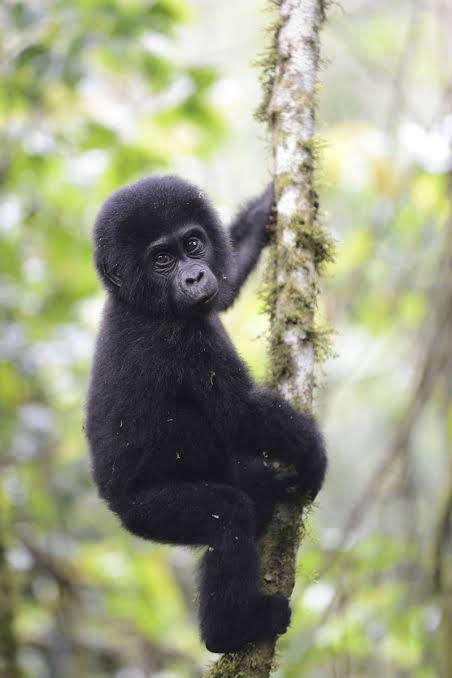
Baby Gorilla: a Mountain Gorilla Infant
There are few wildlife experiences as magical as watching a baby gorilla playing, climbing, and cuddling close to its mother deep inside the misty forests of East Africa. With their curious eyes, tiny hands, playful personalities, and incredible resemblance to human infants, baby mountain gorillas are among the most captivating creatures you can encounter on a gorilla trekking safari.

Hidden within the lush vegetation of Uganda’s Bwindi Impenetrable Forest and the Virunga Mountains, these young gorillas are growing up in some of Africa’s most extraordinary wilderness. Their early lives are filled with learning, exploration, protection, and plenty of playful mischief.
But what is life really like for a baby gorilla?
What Is a Baby Gorilla Called?
A young gorilla is commonly referred to simply as a baby gorilla or infant gorilla. At birth, a gorilla infant is surprisingly small compared with its powerful adult relatives, but it quickly develops strength and coordination.
Baby mountain gorillas depend heavily on their mothers during their first years. The mother provides warmth, protection, transportation, nourishment, and guidance while the infant gradually learns how to survive within the gorilla family.
Just like human babies, young gorillas spend much of their early life observing the adults around them. Every interaction becomes part of their education.
The Birth of a Baby Mountain Gorilla
A female mountain gorilla normally gives birth to one infant at a time. Twins are possible but extremely rare.
Newborn gorillas are completely dependent on their mothers. During the earliest months, the mother keeps the baby close, often carrying it against her body as the family moves through the forest.
The bond between mother and infant is incredibly strong.
The baby holds onto its mother as she climbs, feeds, rests, and travels. As the infant becomes stronger, it begins to spend more time exploring its surroundings while frequently returning to the safety of its mother.
Baby Gorillas Are Born to Be Curious
One of the most entertaining things about watching baby gorillas is their curiosity.
A baby gorilla may investigate leaves, branches, vines, stones, or anything else that catches its attention. It may crawl through vegetation, climb over fallen trees, roll around on the forest floor, or suddenly race toward another young gorilla.
This playful behavior is not simply entertainment.
Play is an important part of a baby gorilla’s development.
Through play, young gorillas practice climbing, balancing, communication, social interaction, and physical coordination. These skills will eventually become essential for adult life in the forest.
Baby Gorilla Playtime: The Heart of the Family
If you are lucky enough to see a baby gorilla during a gorilla trekking experience in Uganda, playtime may become one of the most unforgettable moments of your safari.
Young gorillas often chase one another, wrestle gently, climb trees, pull vegetation, and tumble across the forest floor.
Sometimes their games look surprisingly similar to those of human children.
One infant may approach another and initiate a playful chase. Another might climb onto an older sibling before quickly running away. The interaction can continue for several minutes before the babies become distracted by something else.
These playful moments also help strengthen relationships within the gorilla group.
The Special Relationship Between a Baby Gorilla and Its Mother
A mother is central to a baby gorilla’s survival.
During infancy, the mother provides almost everything the baby needs. She protects it from danger, carries it when necessary, and teaches it through everyday interaction.
The infant gradually becomes more independent, but the emotional connection remains important.
Observing a mother gently caring for her baby is one of the most touching sights on a gorilla safari in Uganda.
The scene can be especially powerful in the ancient rainforest of Bwindi, where the sounds of birds, insects, leaves, and distant gorillas create a remarkable natural atmosphere.
How Do Baby Gorillas Learn to Survive?
Baby gorillas learn primarily by watching and interacting with members of their family.
They observe adults feeding on vegetation, moving through the forest, communicating, resting, and responding to different situations.
As they grow older, they begin experimenting with these behaviors themselves.
A young gorilla may first watch an adult break apart vegetation before attempting to do it independently. It may observe how others climb before trying to climb a branch.
In this way, the gorilla family acts as a living classroom.
What Do Baby Gorillas Eat?
Baby gorillas initially rely heavily on their mothers’ milk.
As they grow, they gradually begin sampling vegetation and other foods consumed by the group. Mountain gorillas are primarily herbivorous, with diets consisting largely of leaves, stems, shoots, flowers, bark, and other plant material.
Watching a young gorilla discover food for itself can be fascinating because feeding is also part of the learning process.
Where Can You See Baby Mountain Gorillas?
The world’s remaining mountain gorillas live in a very restricted area of Central and East Africa.
They are found in two main populations:
- Bwindi Impenetrable National Park in Uganda
- The Virunga Mountains, shared by Uganda, Rwanda, and the Democratic Republic of the Congo
Uganda is particularly famous for gorilla trekking in Bwindi Impenetrable National Park, where visitors can trek through dense rainforest in search of habituated gorilla families.
Because gorillas are wild animals, sightings of babies cannot be guaranteed. However, many habituated gorilla groups contain young members, making the possibility of encountering a playful infant one of the exciting aspects of trekking.
Baby Gorillas and the Gorilla Family
A baby gorilla does not grow up alone.
It develops within a close-knit social group known as a gorilla family. A typical family can include a dominant silverback, adult females, younger males, juveniles, and infants.
The silverback plays an important role in protecting and leading the group.
Other adults also contribute to the social environment in which young gorillas develop.
This family structure gives baby gorillas opportunities to learn social behavior from different members of the group.
The Silverback and Baby Gorillas
The silverback is often regarded as the protector and leader of the gorilla family.
Although the mother is the baby’s primary caregiver, the silverback’s presence provides an important layer of protection for the entire group.
Watching a massive silverback calmly sitting near a tiny baby gorilla can create an unforgettable contrast: the enormous strength of an adult male beside the vulnerability and innocence of a young infant.
It is one of the scenes that makes mountain gorilla trekking such a remarkable wildlife experience.
How Fast Does a Baby Gorilla Grow?
Gorillas develop gradually but become increasingly independent as they grow.
During their early years, infants spend considerable time close to their mothers. Later, they become more adventurous and spend more time playing and interacting with other youngsters.
As they mature, they develop the physical strength, feeding skills, communication abilities, and social awareness needed for adult life.
The transition from a tiny infant clinging to its mother to a confident young gorilla exploring the forest is an extraordinary process to witness.
Why Baby Gorillas Matter for Conservation
Every baby gorilla represents hope for the future of the species.
Mountain gorillas have faced serious threats over the years, including habitat loss, human pressure, disease, and other conservation challenges. Strong conservation programs, protected habitats, responsible tourism, research, and cooperation with local communities have played an important role in protecting these remarkable animals.
Gorilla tourism also contributes to conservation.
Visitors who come for gorilla trekking pay permits and support a tourism system that helps fund conservation and creates economic opportunities for communities living around protected forests.
In this way, a responsible gorilla safari can contribute to protecting the very animals travelers come to admire.
Responsible Gorilla Trekking: Protecting Baby Gorillas
Seeing a baby gorilla in the wild is a privilege, not a right.
Visitors must follow strict guidelines designed to protect gorillas and their habitat. Trekkers should maintain the required distance from gorillas, avoid sudden movements and loud noises, and follow instructions from trained guides and park authorities.
If you are feeling unwell, it is especially important to follow tourism and park guidance because gorillas can be vulnerable to human-borne illnesses.
Responsible tourism helps ensure that future generations can also experience the wonder of seeing mountain gorillas in their natural habitat.
Why Seeing a Baby Gorilla Is So Special
A baby gorilla may only be one small member of a much larger family, but its presence can transform an entire trekking experience.
You may spend hours walking through thick forest, climbing hills, crossing muddy trails, and listening carefully for signs of gorillas.
Then suddenly, you see movement in the vegetation.
A tiny gorilla appears.
It looks around.
It grabs a branch.
It climbs.
It rolls onto the ground.
Perhaps it runs toward another youngster.
For a moment, the rainforest seems to disappear around you.
You are simply watching a young life unfold in the wild.
That is the magic of a baby gorilla encounter.
Plan Your Gorilla Safari in Uganda
If seeing mountain gorillas is on your African travel bucket list, Uganda offers one of the world’s most extraordinary wildlife experiences.
A gorilla trekking safari in Uganda can combine the search for mountain gorillas with other unforgettable experiences, including wildlife viewing, cultural encounters, scenic landscapes, and visits to some of East Africa’s most remarkable destinations.
At Mandrill African Safaris, we can help travelers plan memorable Uganda gorilla trekking adventures tailored to their travel interests, schedule, and budget.
Whether you are a first-time safari traveler, wildlife photographer, couple, family, or dedicated primate enthusiast, the opportunity to walk through an ancient African rainforest and encounter a family of mountain gorillas is an experience that can stay with you for a lifetime.
Final Thoughts
Baby gorillas remind us that wildlife conservation is ultimately about protecting living families, not simply protecting numbers on a population chart.
Every playful infant represents another generation growing up in the forest.
Every mother protecting her baby tells a story of survival.
And every responsible traveler who visits these forests has an opportunity to become part of the conservation story.
The next time you dream of an African safari, imagine looking through the misty vegetation of Bwindi and discovering a tiny baby gorilla looking back at you. That is more than a wildlife sighting—it is a moment of connection with one of Africa’s most remarkable species.