Top 10 Wildlife Experiences in Kenya:
2026-08-04
Best Time to Visit Tanzania for Wildlife Viewing
2026-08-05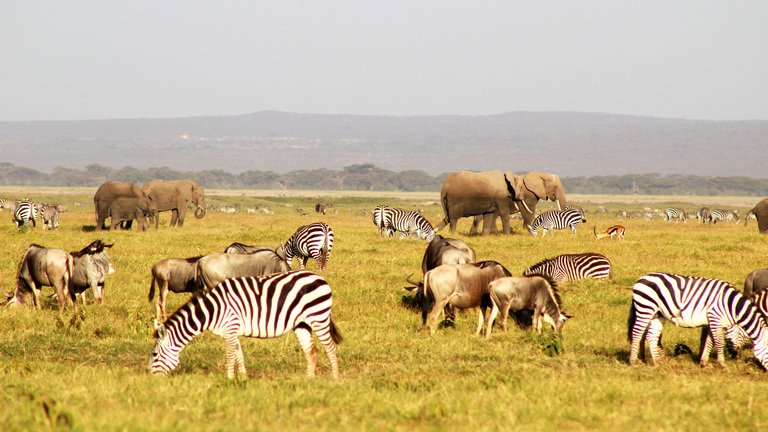
Conservation Success Stories in Kenya: How Wildlife Protection Is Transforming Africa’s Safari Destination
Discover Kenya’s greatest conservation success stories, from recovering elephant and rhino populations to community conservancies protecting lions and cheetahs. Learn how conservation and sustainable tourism work together with Mandrill African Safaris.
Kenya has long been recognized as one of Africa’s premier safari destinations, famous for breathtaking landscapes, incredible wildlife, and the spectacular Great Migration across the Maasai Mara. Beyond its world-renowned safari experiences lies another inspiring story—one of conservation success.
Over the past several decades, Kenya has become a global leader in wildlife conservation through innovative partnerships involving government agencies, local communities, conservation organizations, and responsible tourism operators. These combined efforts have helped restore endangered wildlife populations, protect fragile ecosystems, and create sustainable livelihoods for thousands of local people.

At Mandrill African Safaris, we believe every safari contributes to conservation. When travelers choose responsible safari experiences, they directly support wildlife protection and community development while enjoying unforgettable adventures.
Why Conservation Matters in Kenya
Kenya is home to over:
- 1,100 bird species
- More than 390 mammal species
- The Big Five
- Endangered black rhinos
- African elephants
- Grevy’s zebras
- African wild dogs
- Cheetahs
- Lions
- Giraffes
Rapid population growth, habitat loss, climate change, and human-wildlife conflict once posed serious threats to many of these species. Fortunately, conservation initiatives have significantly reversed these trends.
Today, Kenya demonstrates that wildlife conservation and tourism can successfully coexist.
1. The Remarkable Recovery of Kenya’s Elephant Population
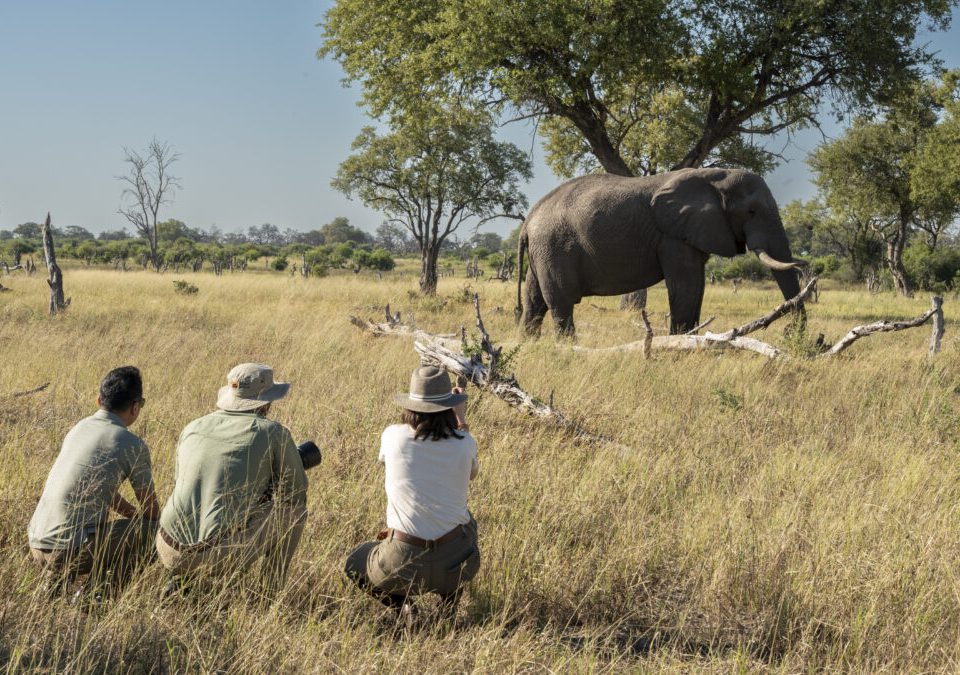
One of Kenya’s greatest conservation achievements is the recovery of African elephants.
During the 1970s and 1980s, rampant ivory poaching dramatically reduced elephant populations across East Africa. Kenya responded by implementing stronger anti-poaching laws, increasing ranger patrols, banning ivory trade, and investing in wildlife protection.
Organizations working alongside the Kenya Wildlife Service (KWS) introduced:
- GPS tracking
- Aerial surveillance
- Modern ranger equipment
- Community conservation programs
- International partnerships
As a result, elephant numbers have steadily recovered in protected areas including:
- Amboseli National Park
- Tsavo East National Park
- Tsavo West National Park
- Samburu National Reserve
Today, visitors can witness large elephant herds roaming freely, a remarkable testament to decades of dedicated conservation.
2. Saving the Black Rhino
The black rhino remains one of Africa’s most endangered mammals, yet Kenya has become one of its strongest conservation success stories.
Through carefully managed rhino sanctuaries, intensive monitoring, veterinary care, and armed protection, Kenya has significantly increased black rhino populations.
Top rhino conservation areas include:
- Ol Pejeta Conservancy
- Lewa Wildlife Conservancy
- Lake Nakuru National Park
- Nairobi National Park
- Solio Ranch Conservancy
Each rhino is individually monitored using advanced technology, allowing conservationists to quickly respond to threats.
Kenya now serves as a model for rhino conservation throughout Africa.
3. Community Conservancies Are Changing Everything
Perhaps Kenya’s biggest conservation innovation is the creation of community conservancies.
Instead of separating wildlife from local people, conservancies empower communities to protect wildlife while benefiting economically through tourism.
Communities receive income from:
- Safari lodges
- Guided nature walks
- Cultural tourism
- Employment opportunities
- Conservation partnerships
The Northern Rangelands Trust has helped establish numerous community conservancies across northern Kenya, creating protected habitats for elephants, lions, giraffes, Grevy’s zebras, and many other species.
This conservation model has significantly reduced illegal hunting while improving local livelihoods.
4. Protecting the World’s Largest Lion Populations
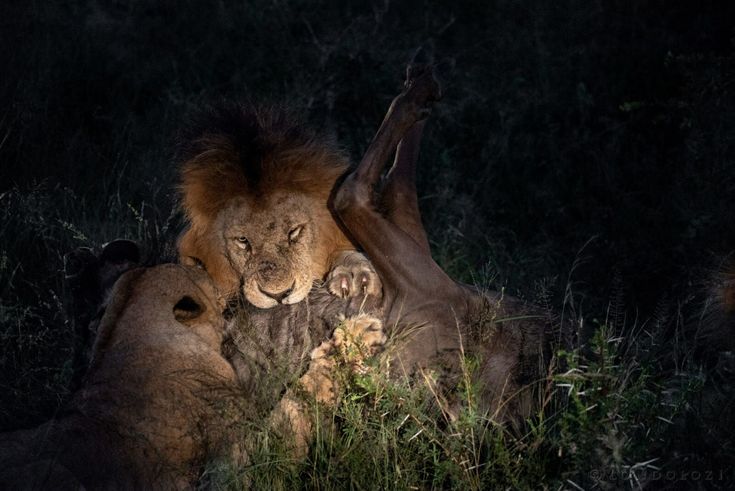
Although lions continue to face challenges across Africa, Kenya remains one of the best places to see healthy lion populations.
Conservation initiatives include:
- Lion monitoring programs
- GPS collar research
- Compensation programs for livestock losses
- Community education
- Predator-proof livestock enclosures
These programs reduce conflict between pastoral communities and wildlife while ensuring lions continue thriving in ecosystems like:
- Maasai Mara National Reserve
- Amboseli National Park
- Tsavo National Parks
Responsible tourism also provides economic incentives to protect lions rather than view them as threats.
5. Conserving the Rare Grevy’s Zebra
Unlike the common plains zebra, the Grevy’s zebra is endangered and found mainly in northern Kenya.
Conservation organizations have partnered with local communities to:
- Monitor populations
- Protect grazing areas
- Improve water access
- Reduce habitat degradation
- Conduct scientific research
These efforts have stabilized many Grevy’s zebra populations, giving conservationists hope for the future.
Visitors to Samburu National Reserve often enjoy excellent sightings of this unique species.
6. Saving Kenya’s Cheetahs
Cheetahs require vast open landscapes, making habitat conservation essential.
Several conservancies now focus specifically on protecting cheetah habitats through:
- Wildlife corridors
- Community education
- Livestock management
- Scientific monitoring
- Tourism revenue
The Maasai Mara remains one of Africa’s finest destinations for observing wild cheetahs hunting across open grasslands.
7. Marine Conservation Along Kenya’s Coast
Conservation success extends beyond Kenya’s savannahs.
Marine parks including:
- Watamu Marine National Park
- Kisite-Mpunguti Marine National Park
- Malindi Marine National Park
protect:
- Coral reefs
- Sea turtles
- Dolphins
- Whale sharks
- Tropical fish
Marine conservation programs encourage sustainable fishing while supporting eco-tourism through snorkeling, diving, and dolphin watching.
8. Conserving the Great Migration
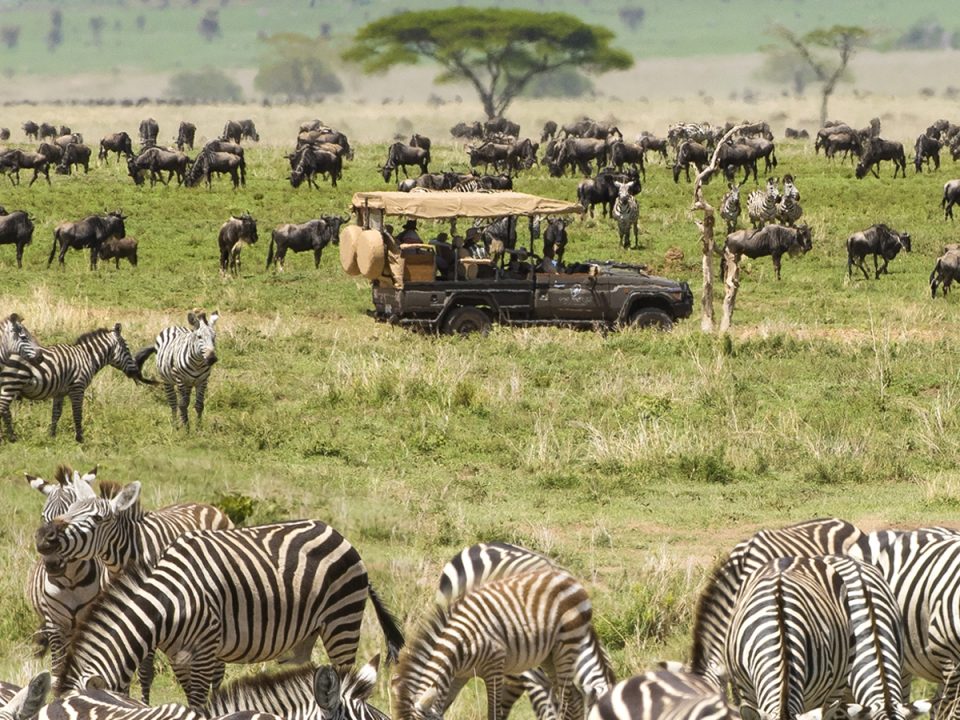
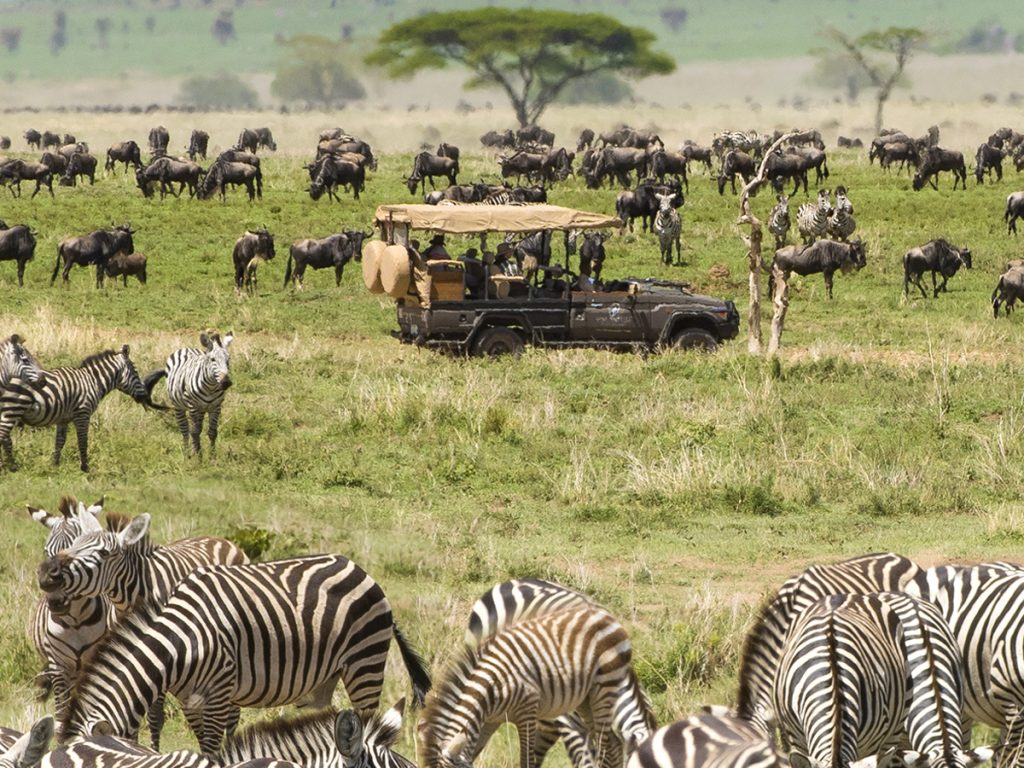
The annual Great Migration remains one of Earth’s greatest wildlife spectacles.
Millions of wildebeest, zebras, and gazelles migrate between Kenya’s Maasai Mara and Tanzania’s Serengeti ecosystem.
Conservation efforts focus on:
- Maintaining migration corridors
- Anti-poaching patrols
- Habitat restoration
- Cross-border cooperation
- Sustainable tourism
Protecting this migration benefits countless predator and prey species that depend on this extraordinary ecosystem.
How Responsible Tourism Supports Conservation
Every safari booked through responsible operators contributes to conservation.
Tourism revenue helps fund:
- National parks
- Wildlife research
- Anti-poaching operations
- Community education
- Ranger salaries
- Habitat restoration
- Veterinary services
- Conservation infrastructure
Travelers become partners in protecting Africa’s wildlife simply by choosing ethical safari companies.
The Role of Local Communities
Modern conservation recognizes that local communities are essential partners rather than obstacles.
Communities now benefit through:
- Employment
- Lodge ownership
- Cultural tourism
- Education programs
- Healthcare initiatives
- Revenue sharing
- Conservation training
This approach has transformed attitudes toward wildlife across many regions of Kenya.
Challenges That Still Remain
Despite remarkable achievements, conservation work continues.
Current challenges include:
- Climate change
- Habitat fragmentation
- Human population growth
- Illegal wildlife trade
- Water shortages
- Human-wildlife conflict
Continued investment in conservation and sustainable tourism remains essential to protecting Kenya’s natural heritage.
Experience Kenya’s Conservation Success with Mandrill African Safaris
At Mandrill African Safaris, we design unforgettable Kenya safari experiences that support responsible tourism and wildlife conservation.
Whether you dream of:
- Witnessing the Great Migration
- Photographing elephants in Amboseli
- Tracking rhinos in Ol Pejeta
- Spotting lions in the Maasai Mara
- Visiting community conservancies
- Exploring Kenya’s spectacular national parks
our expert team creates personalized itineraries that combine adventure with meaningful conservation experiences.
Traveling responsibly allows you to experience Kenya’s extraordinary wildlife while helping preserve it for future generations.
Conclusion
Kenya’s conservation success stories prove that wildlife protection, community development, and sustainable tourism can work hand in hand. From the recovery of elephants and black rhinos to the growth of community conservancies and marine protected areas, Kenya continues to inspire the world with innovative conservation efforts.
Every visitor plays a role in this success. By choosing responsible safari operators like Mandrill African Safaris, travelers contribute directly to protecting Africa’s iconic wildlife and supporting the communities that safeguard these natural treasures.
Whether it’s your first African safari or your tenth, Kenya offers not only unforgettable wildlife encounters but also the opportunity to be part of one of the world’s greatest conservation journeys.