

Why Bwindi Impenetrable National Park Is Every Traveler’s Dream
2026-05-13
Exploring Africa’s Untouched Rainforests in Gabon – The Ultimate Eco Safari Adventure
2026-05-14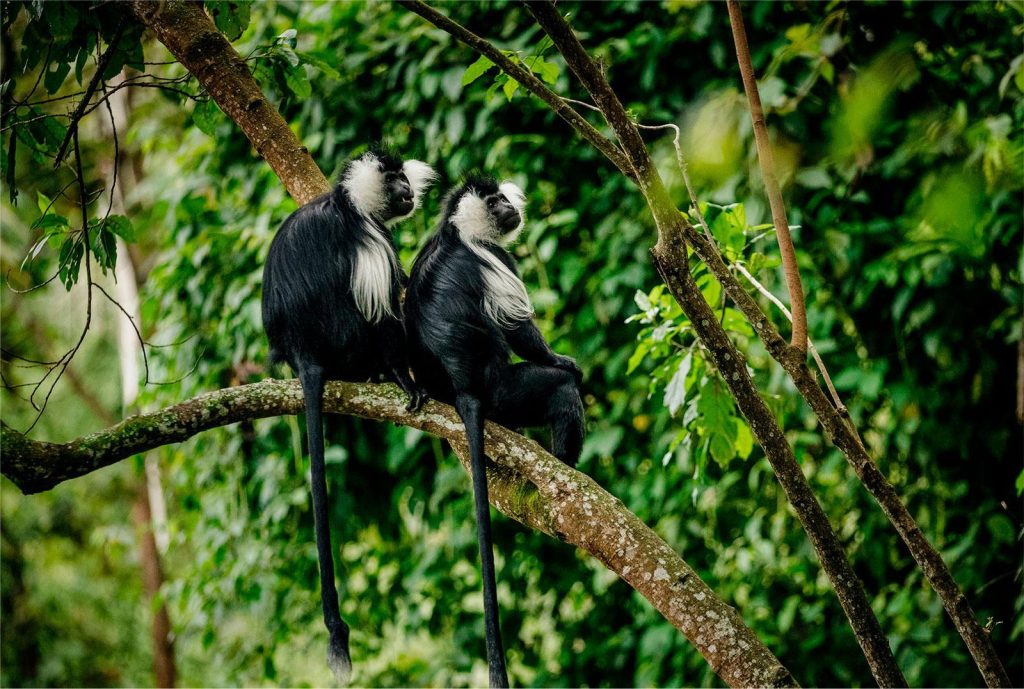
Best Eco-Tourism Experiences in Burundi – Discover Africa’s Hidden Green Paradise
Explore the best eco-tourism experiences in Burundi with Mandrill African Safaris. Discover national parks, birdwatching, community tourism, Lake Tanganyika adventures, and sustainable travel experiences in Burundi.
When travelers think about eco-tourism in Africa, destinations like Kenya, Tanzania, or Uganda often come to mind first. However, tucked away in the heart of East Africa lies one of the continent’s most underrated sustainable travel destinations — Burundi. Rich in biodiversity, cultural authenticity, lush mountains, and freshwater landscapes, Burundi is gradually becoming a dream destination for eco-conscious travelers seeking untouched beauty and meaningful experiences.
From hiking through ancient rainforests to connecting with local communities along the shores of Lake Tanganyika, Burundi offers travelers a chance to experience Africa beyond the typical tourist trail. With fewer crowds, authentic cultural interactions, and incredible wildlife habitats, eco-tourism in Burundi creates unforgettable adventures while supporting conservation and local livelihoods.
At Mandrill African Safaris, we believe sustainable tourism is the future of African travel. Here are the best eco-tourism experiences in Burundi that every nature lover and responsible traveler should explore.
1. Explore the Biodiversity of Kibira National Park
One of the top eco-tourism destinations in Burundi is Kibira National Park, a breathtaking montane rainforest located in northwestern Burundi near the border with Rwanda. The park forms part of the larger Congo-Nile Divide ecosystem and serves as an important water catchment area for the region.
Kibira National Park is home to:
- Chimpanzees
- Colobus monkeys
- Olive baboons
- Over 200 bird species
- Exotic butterflies and medicinal plants
Eco-tourists can enjoy guided forest hikes, birdwatching tours, and primate tracking experiences while learning about conservation efforts protecting the fragile ecosystem.
Unlike mass tourism destinations, Kibira offers intimate and low-impact nature experiences. Visitors walk through dense rainforest trails surrounded by waterfalls, giant trees, and unique wildlife sounds that create a truly immersive eco-adventure.
Sustainable tourism activities in Kibira also help support ranger programs and community conservation initiatives that protect endangered habitats.
2. Enjoy Sustainable Adventures on Lake Tanganyika

As the world’s second-deepest freshwater lake, Lake Tanganyika is one of Burundi’s greatest natural treasures. The lake provides eco-tourists with opportunities to enjoy nature responsibly while supporting local fishing communities and conservation projects.
Popular eco-friendly activities include:
- Kayaking along the shoreline
- Community fishing experiences
- Birdwatching excursions
- Cultural village visits
- Nature photography
- Boat cruises at sunset
The peaceful lakeside atmosphere around Bujumbura allows travelers to unwind while appreciating Burundi’s stunning landscapes. Many small lodges and eco-camps around the lake promote sustainable tourism by employing local staff, reducing plastic waste, and sourcing food locally.
Lake Tanganyika is also ideal for travelers looking for off-grid relaxation combined with authentic East African culture.
3. Discover Wildlife at Rusizi National Park

Located near Bujumbura, Rusizi National Park is one of the easiest eco-tourism sites to access in Burundi. The park protects wetlands, river ecosystems, and wildlife habitats surrounding the Rusizi River.
Eco-tourists visiting Rusizi National Park can enjoy:
- Boat safaris
- Hippo viewing
- Crocodile sightings
- Birdwatching tours
- Wetland photography
- Nature excursions
The park is particularly popular among bird lovers due to its incredible diversity of migratory and resident bird species. Responsible tourism activities here contribute to wetland conservation and environmental awareness programs in local communities.
Because the park remains relatively untouched by mass tourism, visitors enjoy peaceful wildlife encounters without overcrowding.
4. Experience Community-Based Tourism in Rural Burundi


One of the most rewarding eco-tourism experiences in Burundi is engaging directly with local communities. Community-based tourism allows visitors to connect with Burundi’s rich cultural heritage while ensuring tourism income benefits local families.
Travelers can participate in:
- Traditional drumming performances
- Local cooking classes
- Banana beer brewing experiences
- Village walks
- Handicraft workshops
- Storytelling sessions
The famous Royal Drummers of Burundi represent one of Africa’s most iconic cultural traditions and offer travelers a chance to witness authentic performances deeply rooted in Burundi’s history.
Community tourism not only preserves traditional culture but also creates alternative livelihoods that reduce pressure on natural resources and wildlife habitats.
5. Hiking and Nature Walks Along the Congo-Nile Divide

Burundi’s mountainous landscapes provide excellent opportunities for eco-friendly hiking adventures. The Congo-Nile Divide region offers scenic trails through tea plantations, forests, rolling hills, and rural villages.
Nature lovers can enjoy:
- Guided mountain hikes
- Scenic photography
- Birdwatching
- Tea plantation visits
- Cycling tours
- Forest exploration
These low-impact tourism activities help promote environmental appreciation while supporting rural tourism businesses.
The breathtaking viewpoints overlooking Lake Tanganyika and Burundi’s green hills make hiking one of the country’s most underrated travel experiences.
6. Birdwatching in Burundi’s Wetlands and Forests

Birdwatching is rapidly becoming one of the best eco-tourism activities in Burundi. The country’s forests, wetlands, lakeshores, and mountain ecosystems host hundreds of bird species, including Albertine Rift endemics.
Top birding locations include:
- Kibira National Park
- Rusizi National Park
- Ruvubu National Park
- Lake Tanganyika wetlands
Birding tourism supports conservation because healthy bird populations depend on protected habitats and sustainable environmental management.
For photographers and wildlife enthusiasts, Burundi’s birdlife offers incredible opportunities away from heavily commercialized safari circuits.
7. Visit Ruvubu National Park for Untouched Wilderness

Visitors may spot:
- Buffaloes
- Antelopes
- Primates
- Hippos
- Crocodiles
- Rare birds
Since tourism remains limited, eco-travelers experience raw wilderness with minimal environmental disturbance. Sustainable safari development in Ruvubu has the potential to strengthen wildlife conservation and create jobs for surrounding communities.
Why Burundi Is Emerging as an Eco-Tourism Destination
Burundi’s tourism industry is still developing, which actually creates major advantages for eco-conscious travelers seeking authenticity and sustainability.
Key Benefits of Eco-Tourism in Burundi
Low Tourist Crowds
Most attractions remain peaceful and uncrowded, allowing for more intimate nature experiences.
Authentic Cultural Encounters
Travelers interact with local communities in genuine and meaningful ways.
Untouched Landscapes
Burundi’s forests, mountains, lakes, and wetlands remain relatively pristine.
Support for Local Communities
Eco-tourism directly contributes to employment, conservation, and community development.
Unique Off-the-Beaten-Path Experiences
Burundi offers adventures unavailable in heavily commercialized safari destinations.
Best Time for Eco-Tourism in Burundi
The best time to visit Burundi for eco-tourism activities is during the dry seasons:
- June to September
- December to February
These months offer ideal conditions for hiking, wildlife viewing, birdwatching, and cultural experiences.
Rainy seasons can still be beautiful for photography and forest scenery, though some roads and hiking trails may become challenging.
Sustainable Travel Tips for Burundi
To travel responsibly in Burundi:
- Choose locally owned lodges and guides
- Avoid single-use plastics
- Respect wildlife habitats
- Support local artisans
- Dress respectfully in rural communities
- Follow park conservation guidelines
- Travel with eco-conscious tour operators
Responsible tourism helps preserve Burundi’s natural beauty for future generations.
Why Travel with Mandrill African Safaris
At Mandrill African Safaris, we specialize in sustainable African adventures designed to protect nature while delivering unforgettable experiences. Our Burundi eco-tourism packages focus on:
- Responsible travel practices
- Community empowerment
- Conservation support
- Authentic cultural experiences
- Personalized safari itineraries
Whether you want rainforest adventures, birdwatching tours, cultural immersion, or lakeside relaxation, our team creates tailor-made Burundi safaris that match your travel style and sustainability values.
Final Thoughts
Burundi may be one of Africa’s smallest countries, but it offers enormous potential for eco-tourism. With its rich biodiversity, welcoming communities, scenic landscapes, and authentic cultural experiences, Burundi is becoming a remarkable destination for travelers seeking sustainable and meaningful adventures.
From chimpanzee trekking in Kibira National Park to relaxing along Lake Tanganyika, every journey through Burundi supports conservation, cultural preservation, and community development.
If you are searching for Africa’s next hidden eco-tourism gem, Burundi deserves a place on your travel list


1 Comment
Appreciate this post! I genuinely enjoyed how you explained “Best Eco-Tourism Experiences in Burundi – Discover Africa’s Hidden Green Paradise – MANDRILL AFRICAN SAFARIS” — it’s rare
to see this kind of well-structured explanation. I’ve been reading up on similar subjects too, so I started a resource
over here: Fragabet Casino Keep it up!